Virginia pay transparency law changes restaurant hiring ads on July 1, 2026
Virginia restaurants must put pay ranges in every job ad now, and managers can’t ask applicants what they made before. Line cooks and servers get more room to negotiate.
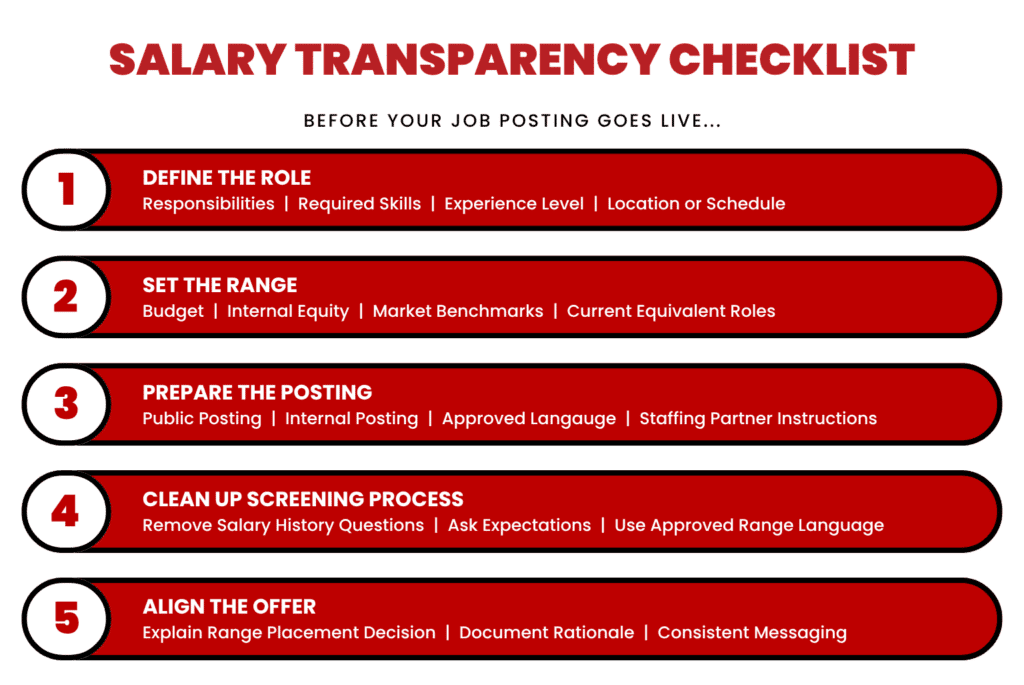
Restaurant hiring ads in Virginia now have to show a wage or salary range, and managers can no longer ask applicants what they made at their last job. The rule took effect July 1 and is codified as Virginia Code § 40.1-28.7:12, with a civil penalty and a cause of action built into the statute.
For restaurant operators, that changes the quickest part of hiring, the job post itself. A line cook opening, a bartender ad, a host position, a shift lead slot, or an assistant manager posting now needs a real range instead of vague language about competitive pay. Virginia Department of Labor and Industry guidance says the requirement applies to all Virginia employers, regardless of size or industry, and bars employers from seeking salary history from the applicant, a former employer, or a third-party service.
That reaches well into the way restaurants recruit. In a business built on fast turnover, phone-screen offers, and constant shuffling between hourly and salaried work, posted pay ranges give applicants a way to compare offers before they spend time interviewing. A server weighing a tipped-floor job against a non-tipped host opening can see the spread up front. A cook looking to move into salaried kitchen management can compare one opening with another instead of relying on whatever a recruiter says after the fact.
The Virginia Restaurant, Lodging & Travel Association has already flagged the July 1 changes as an issue for restaurants, hotels, and hospitality businesses across the Commonwealth. That matters because the industry still runs on a wide pay gap between front of house and back of house, and because applicants often move between multiple offers in the same week. If a restaurant group wants to hire quickly, the posted range is now part of the pitch, not an afterthought.
State labor-policy guidance also fits the same direction. The Virginia Department of Human Resource Management says postings should include a good-faith salary or wage range in public and internal recruitments. That language is aimed at broader pay transparency, but in restaurants it also touches promotions, where a cook or server trying to step into leadership can finally see whether the new title pays enough to justify the extra hours and responsibility.
The policy arrived alongside Virginia’s minimum hourly wage of $12.77, which runs from January 1, 2026 through January 1, 2027. Research cited in the literature on salary-history bans has found these rules can increase wage posting and reduce gender pay gaps, which is why the real test for restaurant employers is simple: whether the posted range matches the offer, or just gives workers a clearer way to spot the gap.
This article was produced by Prism’s automated news system from verified source data, official records, and press releases, then run through automated quality and moderation checks before publishing. The system is built and supervised by the people who set the standards it runs under. Read our full AI policy.
Did this article answer your question?