Washington gets first Himalayan cocktail bar as dining boom continues
D.C.'s opening surge now includes its first Himalayan cocktail bar, but the real test is whether operators can staff and sustain the boom.
A boom that looks festive from the sidewalk
Washington’s latest restaurant burst is easy to read as a celebration, with splashy steakhouses, vibey cocktail spots and all-day cafés filling the calendar. For workers, though, the more important question is whether the city’s new dining energy can survive the labor strain that follows every opening cycle.
That tension sits at the center of the current D.C. market. The restaurant industry had a brutal 2025, and the city felt the pain more than most, which makes the new wave feel less like carefree expansion and more like a stress test for staffing, training and margins. If operators are opening now, they are doing it in a market that has already taught them how quickly a bad schedule, a thin kitchen and a weak reservation book can turn into trouble.
Kathmandu Tapas & Cocktails turns a long-empty space into a first
The most striking newcomer is Kathmandu Tapas & Cocktails, which opened on Wednesday, May 6, at 1342 U St. NW, taking over a long-empty space that once held Desperados Burgers & Bar. On paper, it is another opening in a crowded spring. On the ground, it is a notable marker for U Street, which now has what Washingtonian describes as a first-of-its-kind Himalayan-inspired cocktail bar.
That matters because openings like this are not just about filling a storefront. They are about whether a concept can build enough regular traffic to support a bar team, a kitchen crew and the back-of-house systems needed to keep service steady. A restaurant can look inventive on day one and still become another labor headache if the team is underbuilt or the menu is too complicated for the staffing level.
Dipesh Acharya is building from supply chain to service
The operation is driven by restaurateur Dipesh Acharya, who was born in Kathmandu and has spent years building a Nepali food business in pieces rather than through a big launch. He previously ran a momo business at a Dallas farmers market, later opened a small Nepali grocery in Virginia and became a supplier of water buffalo, Himalayan seasonings, Nepali beers and kodhoko rakhsi.
That background says a lot about how this place may work. Acharya is not just selling a theme; he is pulling from a network that can support ingredients, drinks and menu identity in a way many new bars cannot. In a labor market, that can be an advantage, because a concept with a clearer supply chain is less likely to run into constant menu churn, surprise shortages and the kind of daily improvisation that wears staff down.
The menu is built for explanation, not autopilot
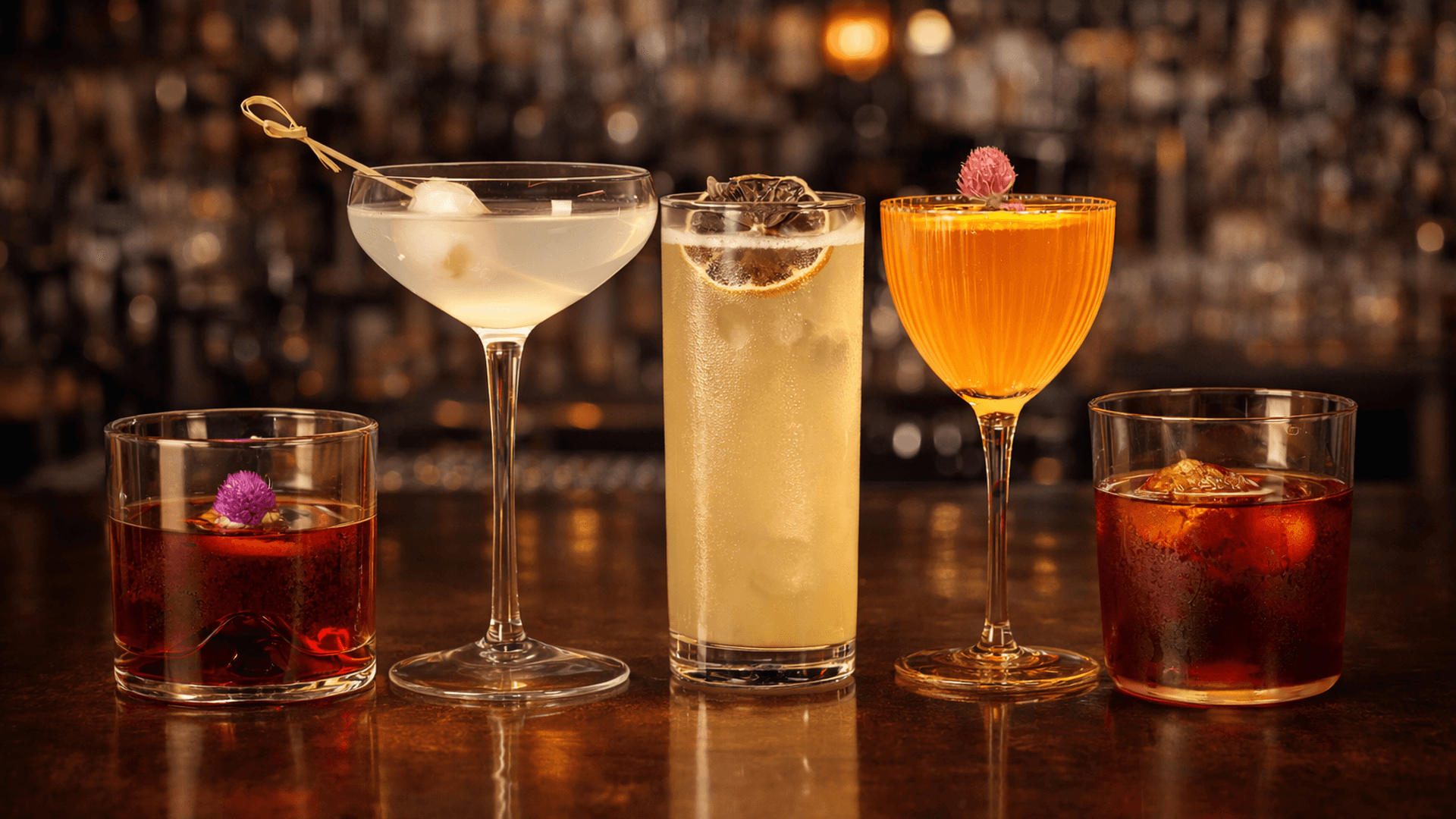
The drink list pushes well beyond standard neighborhood-bar shorthand. Kathmandu’s signature pours include a spiced Himalayan Old Fashioned made with Nepali Khukri rum and a Timur Collins that mixes mezcal with Nepali Sichuan pepper. Those are the kinds of drinks that can become a draw, but they also demand bartenders who can describe ingredients, sell flavor profiles and keep the bar moving when guests want a story with their order.
The food side is similarly specific. The menu includes momos, stuffed momos, masala crab cakes with chutney, Timur-spiced calamari, grilled duck choila tacos and keema noodles. That mix points to a kitchen that has to handle both recognizable comfort items and more specialized dishes, which usually means more training, tighter prep and a heavier burden on cooks to execute consistently. In a city already dealing with turnover and burnout, menus like this can be exciting for staff, but they also require enough labor depth to keep quality from slipping.
Nepali food is breaking out beyond one dining room
Kathmandu is opening into a larger trend rather than creating one on its own. Axios reported that Nepali cuisine is having a moment in the DMV, and that momentum is showing up not just in restaurants but in markets and takeout windows as well. That broader spread matters to workers because it suggests a customer base that is beginning to recognize the cuisine, which can help support more openings and more steady demand across different formats.
For the region’s restaurant labor market, that is both opportunity and pressure. A cuisine gaining visibility can create more jobs for line cooks, servers, bartenders and managers who understand a new menu and can explain it without flattening it into generic “fusion” language. At the same time, as more operators rush in, the competition for experienced staff gets tighter, especially in a city where service jobs already come with uneven hours, tip volatility and the constant risk of burnout.
The spring opening wave is real, but so is the operating risk
Axios said early May was stacked with openings, and the list has been broad enough to suggest genuine momentum rather than a one-off burst. New Kitchens on the Block returned on April 25 at Brookland’s Mess Hall, giving operators another stage to preview ideas before a full launch. That kind of event can surface what the market really wants, but it also shows how many businesses are trying to enter the same labor pool at once.
There is also historical context for the rush. Axios noted that more than 20 D.C. bars and restaurants debuted since November in its December 2024 opening roundup. That volume signals demand, but it also hints at the cost of chasing it: more concepts competing for the same cooks, hosts, servers and bartenders, more pressure to fill schedules quickly, and less room for error when rent, food costs and payroll all rise together.
What this opening wave means on the floor
Kathmandu Tapas & Cocktails is a reminder that D.C.’s dining growth is getting more adventurous, not just bigger. A Nepali cocktail bar on U Street can be a genuine sign of cultural and culinary broadening, but it is also a labor story about whether a small, specialized operation can recruit, train and keep the people needed to make a complex menu work night after night.
If the boom continues, the real measure of success will not be how many openings make headlines. It will be whether these places can build stable teams, hold service together under pressure and turn novelty into lasting jobs instead of another short-lived push in a punishing restaurant economy.
This article was produced by Prism’s automated news system from verified source data, official records, and press releases, then run through automated quality and moderation checks before publishing. The system is built and supervised by the people who set the standards it runs under. Read our full AI policy.
Did this article answer your question?