Why restaurant handwashing matters more than ever during busy shifts
A USDA study found workers missed or botched handwashing more than 95% of the times it was needed, and 48% cross-contaminated spice containers.
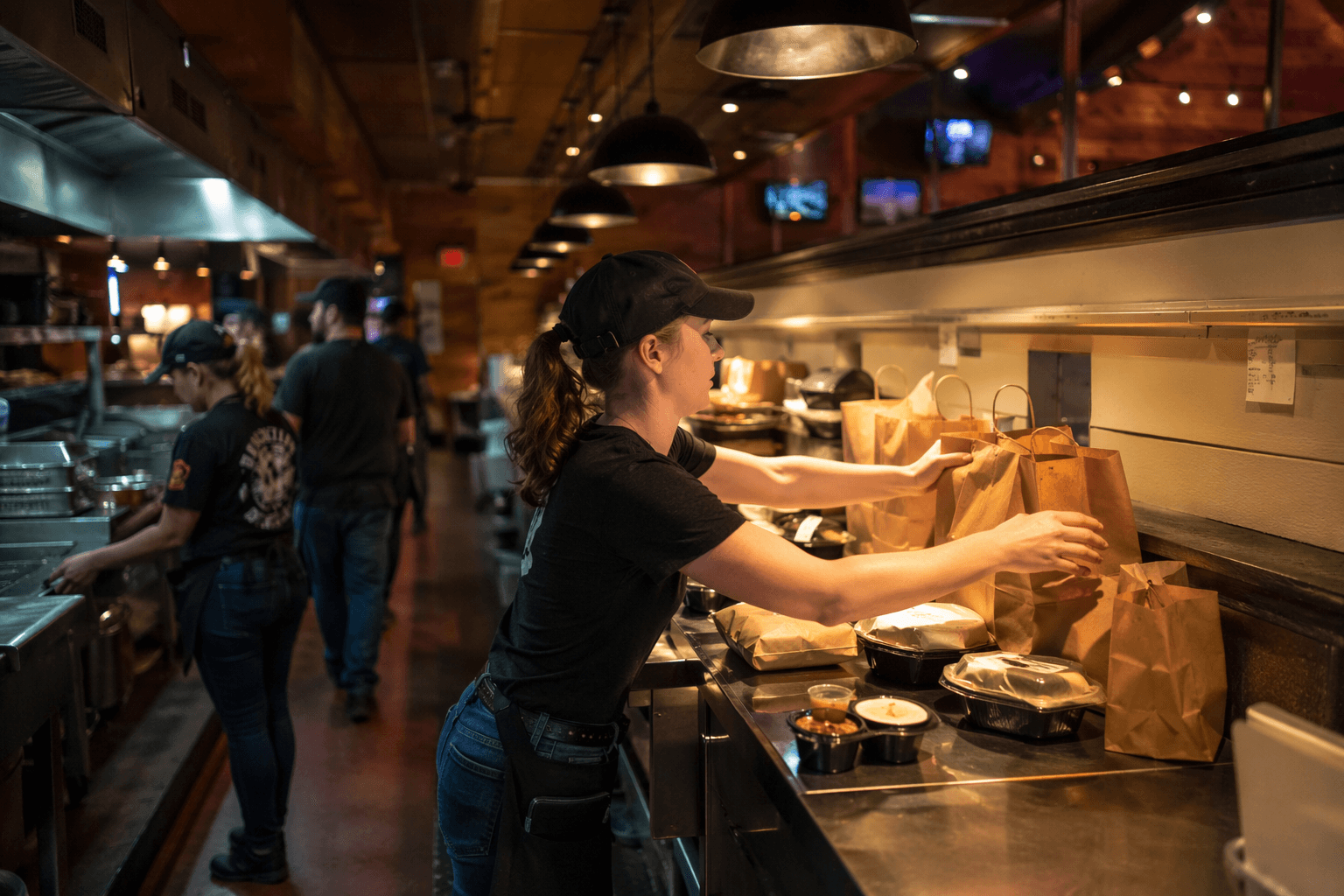
A busy line turns small shortcuts into contamination fast: a cut thumb, a trash run, or one bare-handed reach for garnish can move germs from station to station. The Centers for Disease Control and Prevention identifies food-worker hands as a common cause of restaurant outbreaks; in outbreaks in which food was contaminated by food workers, hands were implicated in nine of ten cases.
Why the rush is where handwashing fails
Proper handwashing can prevent 1 in 3 diarrheal illnesses and 1 in 5 respiratory infections, FoodSafety.gov says. In a kitchen, that warning turns into a workflow problem: hands are constantly moving from raw product to prep tools, from ticket rails to POS screens, and from trash cans back to the line. When the pace spikes, the mistake is usually not forgetting that handwashing matters, but assuming a task is harmless because it only took a few seconds.
A USDA study cited by FoodSafety.gov shows how quickly the system breaks down. In 1,195 recorded moments when handwashing was needed to control possible bacteria transfer, participants failed to wash their hands successfully more than 1,150 times. The same study found that 48% of participants cross-contaminated spice containers because they did not wash adequately. On a real shift, the danger is not only raw chicken or a dirty board; it can be the paprika tin, the garnish bin, or the squeeze bottle that gets touched after the wrong task.
The moments that should always trigger a wash
Some handwashing triggers are obvious, but restaurant pressure makes people skip the obvious. Wash after using the restroom, after touching garbage, after blowing your nose or coughing into your hands, and before and after treating a cut or wound. Wash after handling raw meat, poultry, seafood, or eggs, because that is where cross-contamination often starts.
Food workers should also wash before eating, preparing, or handling food, and after using the toilet. The practical version for the line is simple: if your hands changed jobs, they need to be washed before they start the next one. That includes switching from expo to prep, from dish pit to salad station, from clearing tables to boxing food, and from handling a bandaged finger back to food contact.
- After the restroom, every time
- After touching garbage or dirty dishes
- After coughing, sneezing, or blowing your nose
- Before and after treating any cut, scrape, or wound
- After handling raw meat, poultry, seafood, or eggs
- Before eating or handling ready-to-eat food
The 20-second standard that actually holds up
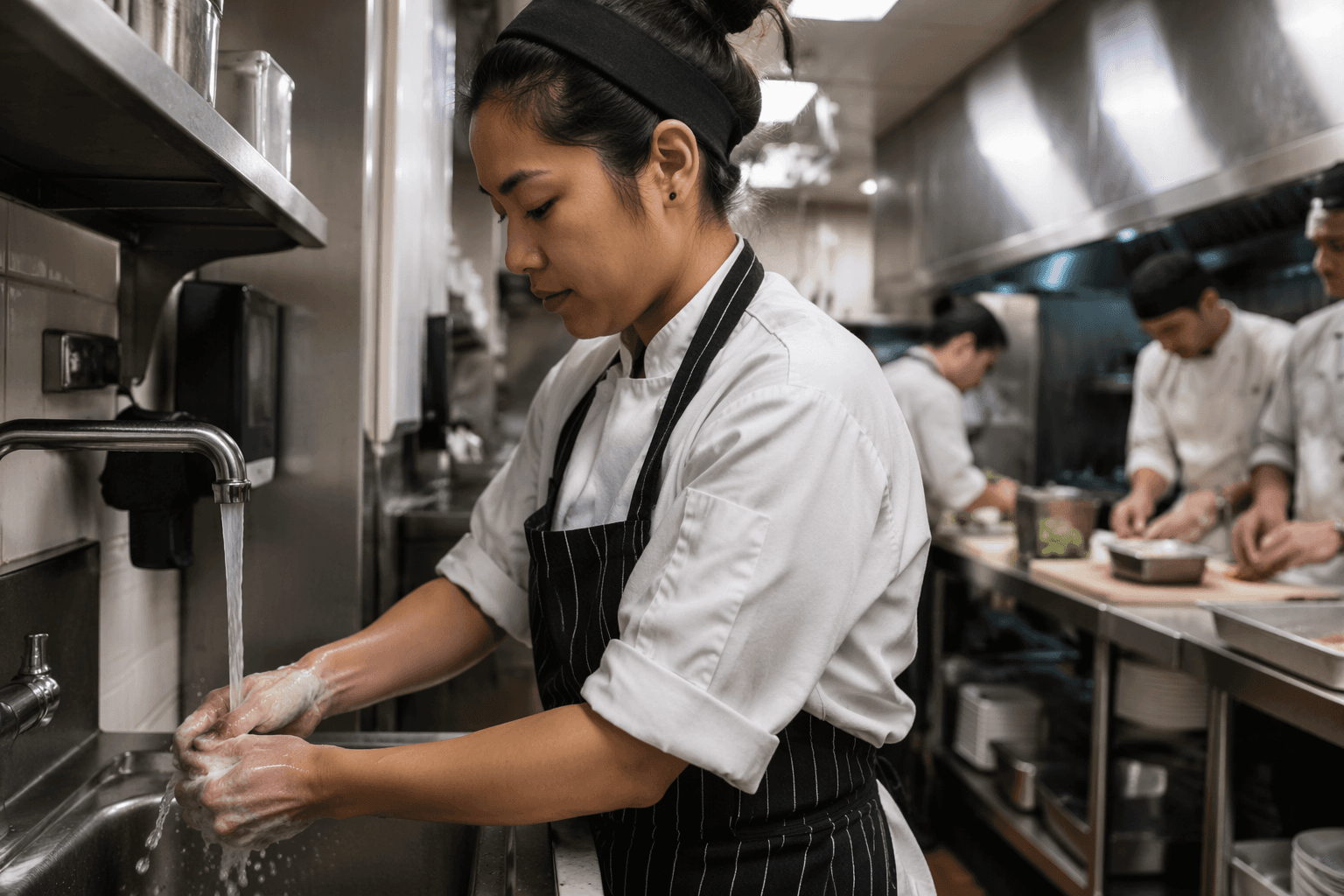
Wash hands with warm water and soap for at least 20 seconds before and after handling food and after using the bathroom. Wet hands with clean running water, apply soap, lather the backs of hands and between fingers, scrub for at least 20 seconds, rinse, and dry with a clean towel or air dry. In a kitchen, the details matter because a quick rinse is not the same as a wash, especially when hands are greasy or visibly dirty.
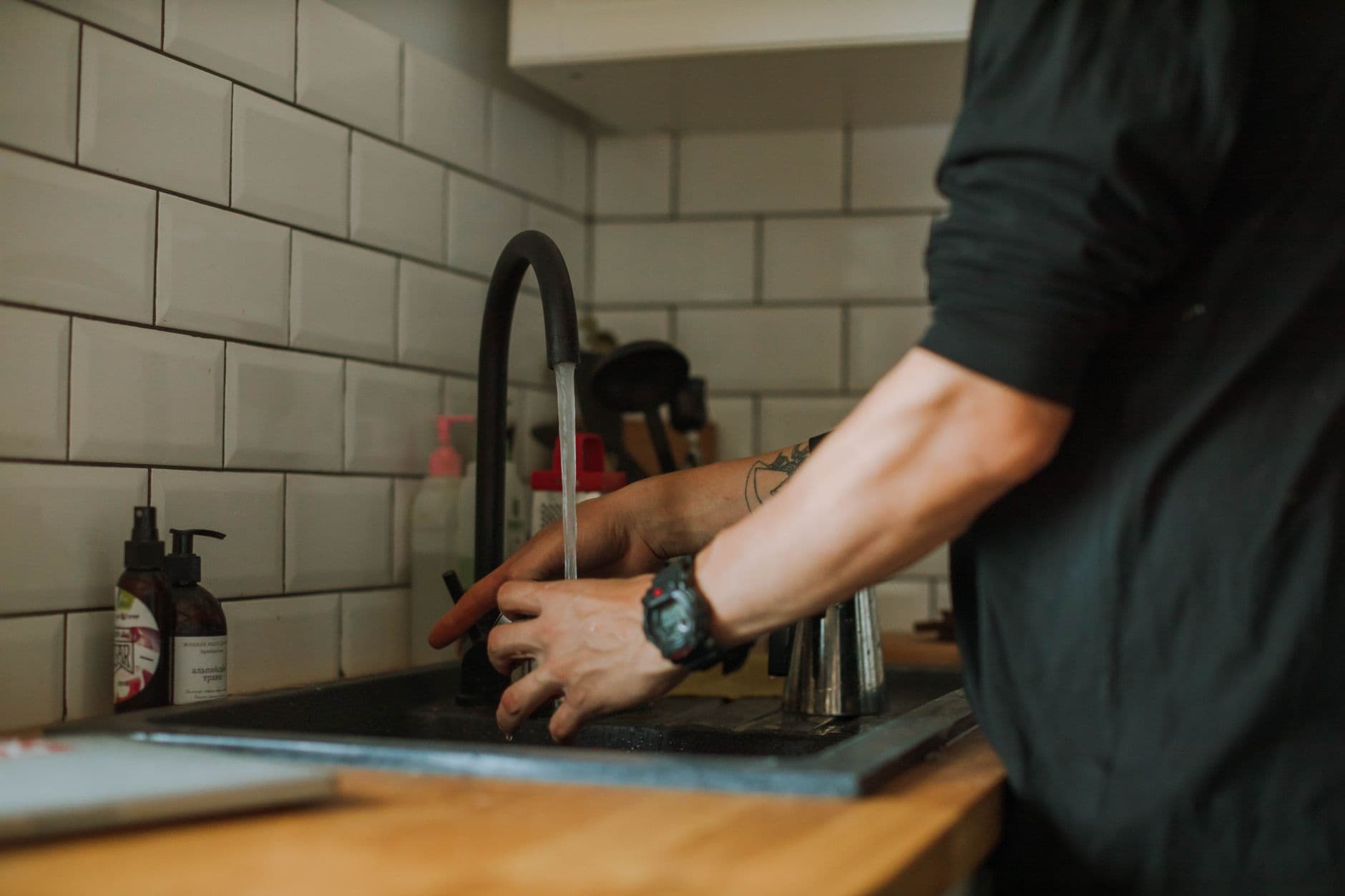
If soap and water are unavailable, FoodSafety.gov recommends sanitizer with at least 60% alcohol, but in kitchens soap and water are preferred. The difference is especially important during prep rushes, when workers can be tempted to use sanitizer as a substitute for a sink trip. Sanitizer can help in a pinch; it does not replace washing when hands are dirty, greasy, or have touched raw product.
What managers need to build into the shift
Managers need to address barriers such as sink inaccessibility, time pressure, and lack of training. That is not a paperwork problem, it is a floor plan problem and a staffing problem. If the nearest sink is buried behind prep tubs, if a handwash break means a ticket backs up, or if new hires are never coached on when to stop and wash, the rule will collapse under service.
The FDA Food Code is the model jurisdictions use to regulate retail food and food-service operations, including restaurants, and the 2022 Food Code is the most recent version posted on the FDA Food Code page. That same code restricts bare-hand contact with exposed, ready-to-eat food except in narrow exceptions, so utensils, deli tissue, gloves, or other barriers need to be part of the station setup. Those bare-hand contact rules exist to prevent contamination and foodborne illness, which makes handwashing only one piece of the control plan.
Managers can make the rule real by changing the pace of the line, not just posting reminders. That means assigning enough coverage so a handwash break does not stall the whole pass, stocking every sink with soap and paper towels, and training staff to recognize the moments that require a reset.
- Put sinks where workers can reach them without leaving the flow for long
- Build handwashing into station changes, not just the start of shift
- Train for the exact tasks that trigger washing, including trash runs and cuts
- Rework prep steps that force unnecessary handwashing bottlenecks
- Make sure every station has soap, towels, and a clear path to a sink
Why this is a pay, staffing, and sick-leave issue too
More than half of all foodborne outbreaks in the United States are associated with restaurants, banquet facilities, schools, and other institutions, the CDC says, and the agency identifies better food-worker handwashing as critical to preventing norovirus, Campylobacter, Salmonella, and E. coli outbreaks. In a business with thin margins, one outbreak can blow through sales, tips, and staffing stability faster than a normal bad night.
Ill food workers should stay home. CDC norovirus guidance tells food workers to tell managers when they have symptoms, and the agency’s Vital Signs report identifies paid sick leave and on-call staffing as ways to support that compliance. The FDA’s employee health and personal hygiene handbook, updated in October 2020, is meant to help food managers and workers stop the spread of Salmonella and norovirus, but it only works when people are not forced to choose between a shift and a stomach virus.
This article was produced by Prism’s automated news system from verified source data, official records, and press releases, then run through automated quality and moderation checks before publishing. The system is built and supervised by the people who set the standards it runs under. Read our full AI policy.
Did this article answer your question?