WorkWhile expands free virtual healthcare to all hourly workers
WorkWhile gave every hourly worker free 24/7 virtual care, a shift that puts health access beside pay in the competition for restaurant labor.

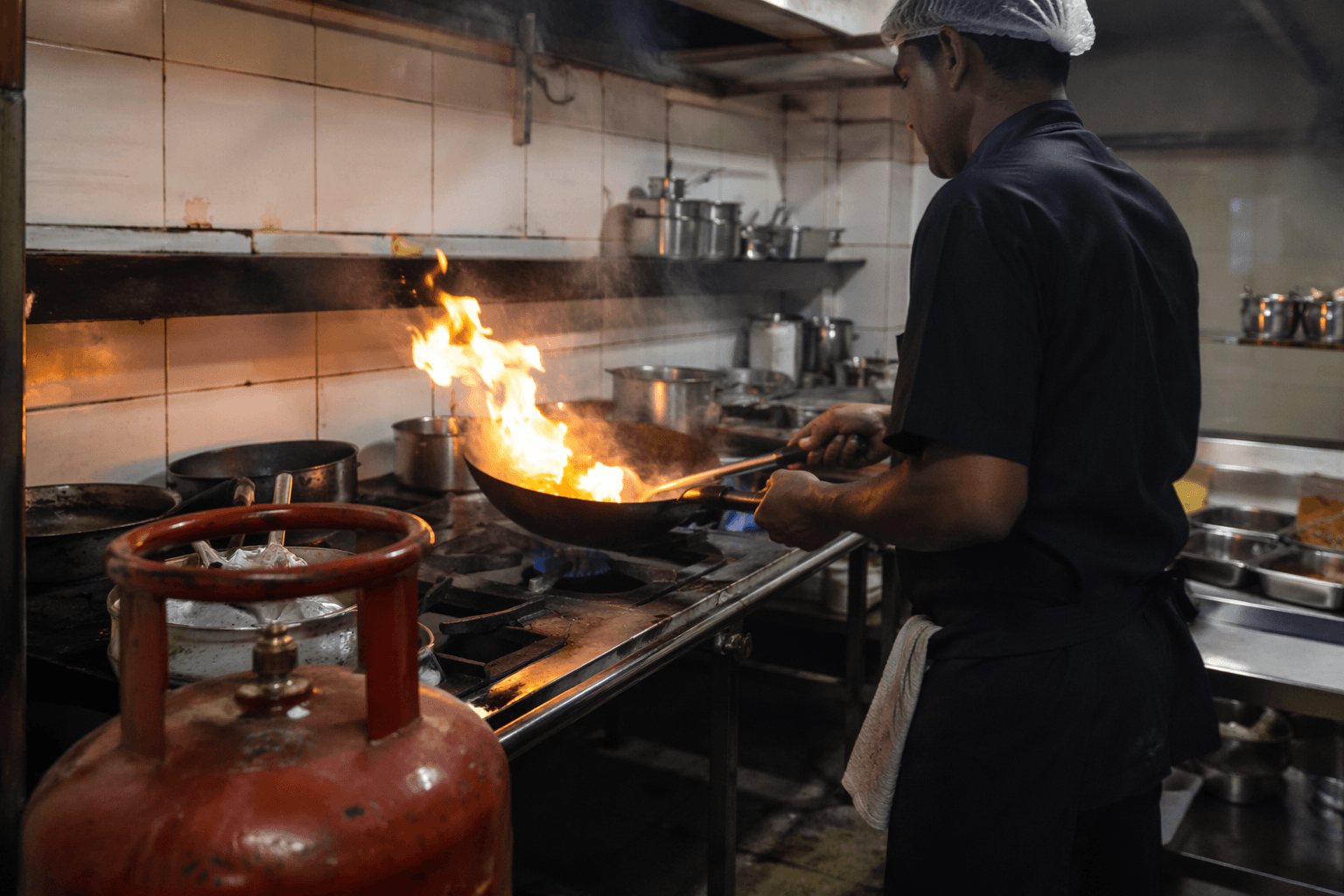
WorkWhile widened a benefit that goes straight to the realities of restaurant shift work: free, 24/7 virtual healthcare for every hourly worker in its community. The benefit took effect immediately on June 11 and no longer depends on minimum hours or tenure, a notable break from the kind of eligibility gates that often leave restaurant workers waiting for coverage.
Chief executive Simon Khalaf framed the move as part of a larger obligation to hourly staff. “Our responsibility toward our workers extends far beyond payroll; it's about investing in their livelihood and well-being,” he said. WorkWhile also announced WorkWhile Money at the same time, signaling that the company is trying to bundle health access with faster, more flexible financial tools for the same workforce.
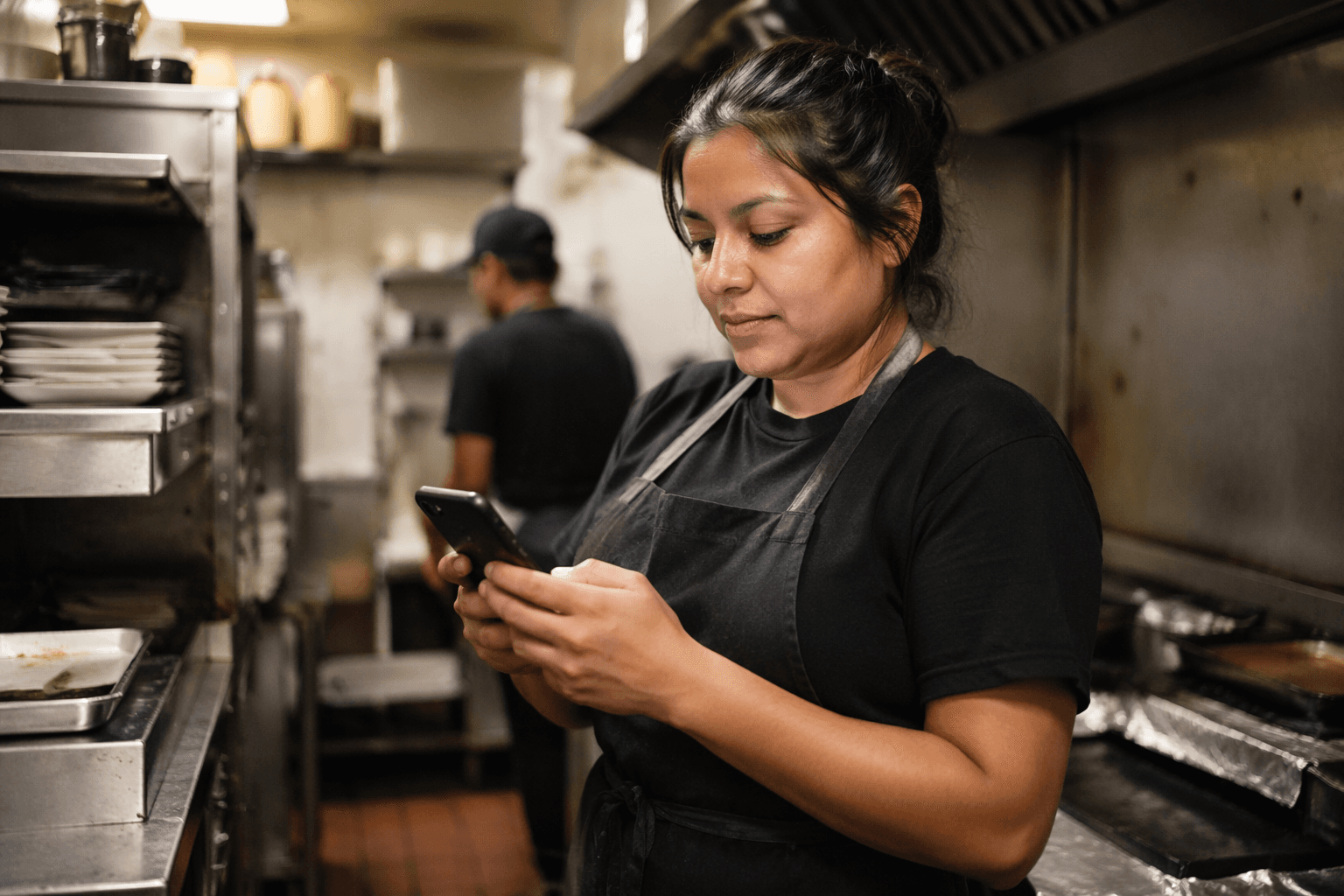
The healthcare offering runs through Curai Health and is built around mobile access. Curai says workers can ask a health question, have a board-certified clinician review the case, and get prescriptions and labs ordered when needed. The company says the service also includes ongoing follow-up support, and that clinicians can refer patients to specialists and in-person services when virtual care is not enough. For cooks, servers, bartenders, hosts, and shift supervisors, that matters because the normal restaurant day leaves little room for a daytime clinic visit between prep, lunch rush, and close.
The benefit lands in an industry where variable schedules still shape access to health coverage. The Internal Revenue Service says employers may use a look-back measurement method for variable-hour employees, and under the monthly measurement method, 130 hours of service a month is the full-time benchmark. In practice, that sort of framework helps explain why many hourly workers do not see benefits quickly, even when they are working hard and regularly.
Restaurant labor pressures make the timing sharper. The National Restaurant Association said full-service restaurant employment in April 2026 was still 187,000 jobs, or 3.3%, below pre-pandemic levels, even after the industry added 98,000 jobs between April 2025 and April 2026. Separate industry analysis put the accommodation-and-food-services quit rate at 4.3% in March 2026, the highest among tracked industries. In a market like that, health access is not just a perk. It is part of the fight to keep shifts covered.
WorkWhile says it serves more than one million frontline workers, and a Citi Impact Fund profile put the platform’s reach at over 1.2 million workers. Founded in 2019 by Jarah Euston and Amol Jain, the company is betting that hourly workers now expect more than a paycheck. For restaurants, the message is blunt: if the job depends on showing up sick, tired, or stretched thin, employers may need to compete on care as much as pay.
This article was produced by Prism’s automated news system from verified source data, official records, and press releases, then run through automated quality and moderation checks before publishing. The system is built and supervised by the people who set the standards it runs under. Read our full AI policy.
Did this article answer your question?