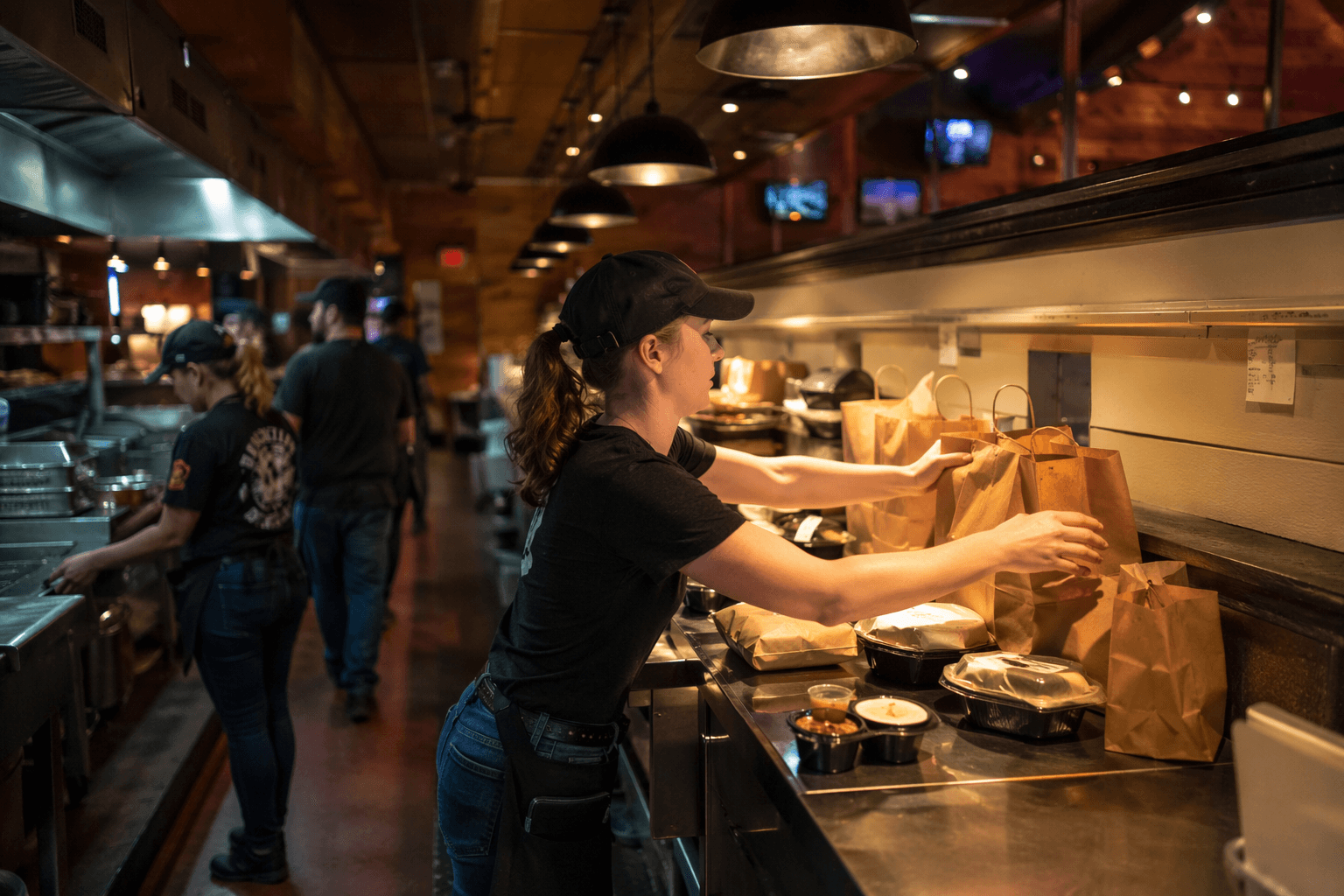
Yoshinoya acquires Seattle-based Kizuki Ramen, plans U.S. growth
Yoshinoya bought a 70% stake in Kizuki Ramen, and founder Yi-Chen Brandon Ting will stay on as CEO while the chain pushes U.S. growth.

Yoshinoya Holdings approved a deal to buy 70% of Kizuki International LLC, bringing Seattle-based Kizuki Ramen & Izakaya under a global parent that already runs about 100 U.S. units and roughly 2,000 restaurants worldwide. The transaction was valued at about $28.7 million, and Yi-Chen Brandon Ting will stay on as CEO, a sign that Yoshinoya wants growth without ripping out the leadership team employees already know.
For the people in Kizuki kitchens and dining rooms, that matters more than the headline price. Kizuki said it will keep operating under the same brand and leadership, which usually means some immediate continuity for cooks, servers, hosts and managers. It also suggests Yoshinoya wants to preserve the local identity that helped Kizuki expand from its Seattle base, rather than folding the ramen chain into a corporate template overnight.
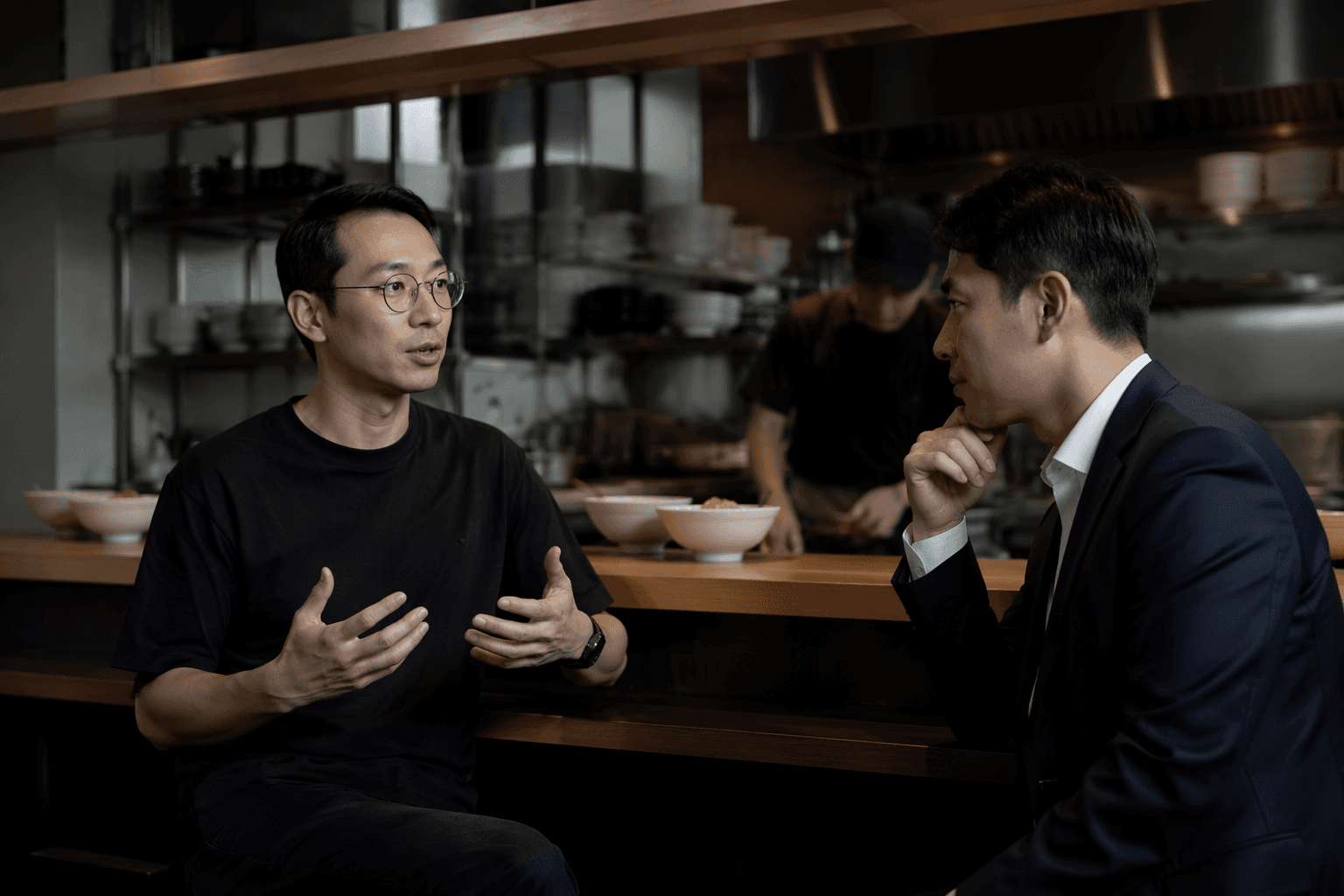
Kizuki was founded in Seattle in 2012 and now lists 16 shops on its own locations page, while another report puts the count at 17, a gap that points to the kind of timing mismatch that can come with a fast-moving deal. The chain’s footprint stretches across Washington, Oregon, Illinois, Indiana and Texas, and Yoshinoya has already pointed to Kizuki’s production infrastructure in Washington, Texas and California as a reason the acquisition made sense. Kizuki’s fiscal-year revenue ending December 2025 was $37.15 million, enough scale to make it more than a niche test case.
Yoshinoya’s president and CEO, Tetsuya Naruse, said the U.S. is a strategically vital market and that the company expects to grow by combining its resources with Kizuki’s local brand strength. On the ground, that could mean more training support, broader purchasing power and stronger operating systems, all of which can change how line cooks prep, how managers schedule and how tightly a unit runs. It can also mean more standardization, and with that come new performance expectations, new career paths for shift leaders and kitchen managers, and more pressure to hit corporate numbers as the brand expands.
The deal also reflects the reach of Yoshinoya’s own U.S. platform. Yoshinoya Holdings says its U.S. business has operated since November 30, 1977, giving the company a long runway in American restaurants before this move into ramen. Kizuki’s founder, Yi-Chen Brandon Ting, also founded Supreme Dumplings, which adds another operator with multi-brand experience to a transaction now tied to the next phase of Kizuki’s growth.
This article was produced by Prism’s automated news system from verified source data, official records, and press releases, then run through automated quality and moderation checks before publishing. The system is built and supervised by the people who set the standards it runs under. Read our full AI policy.
Did this article answer your question?