July 1 minimum wage hikes complicate Starbucks pay by location
Minimum wages rose in Alaska, Oregon and D.C. on July 1, and Starbucks managers now have to treat pay as a store-by-store issue, not a brand-wide setting.
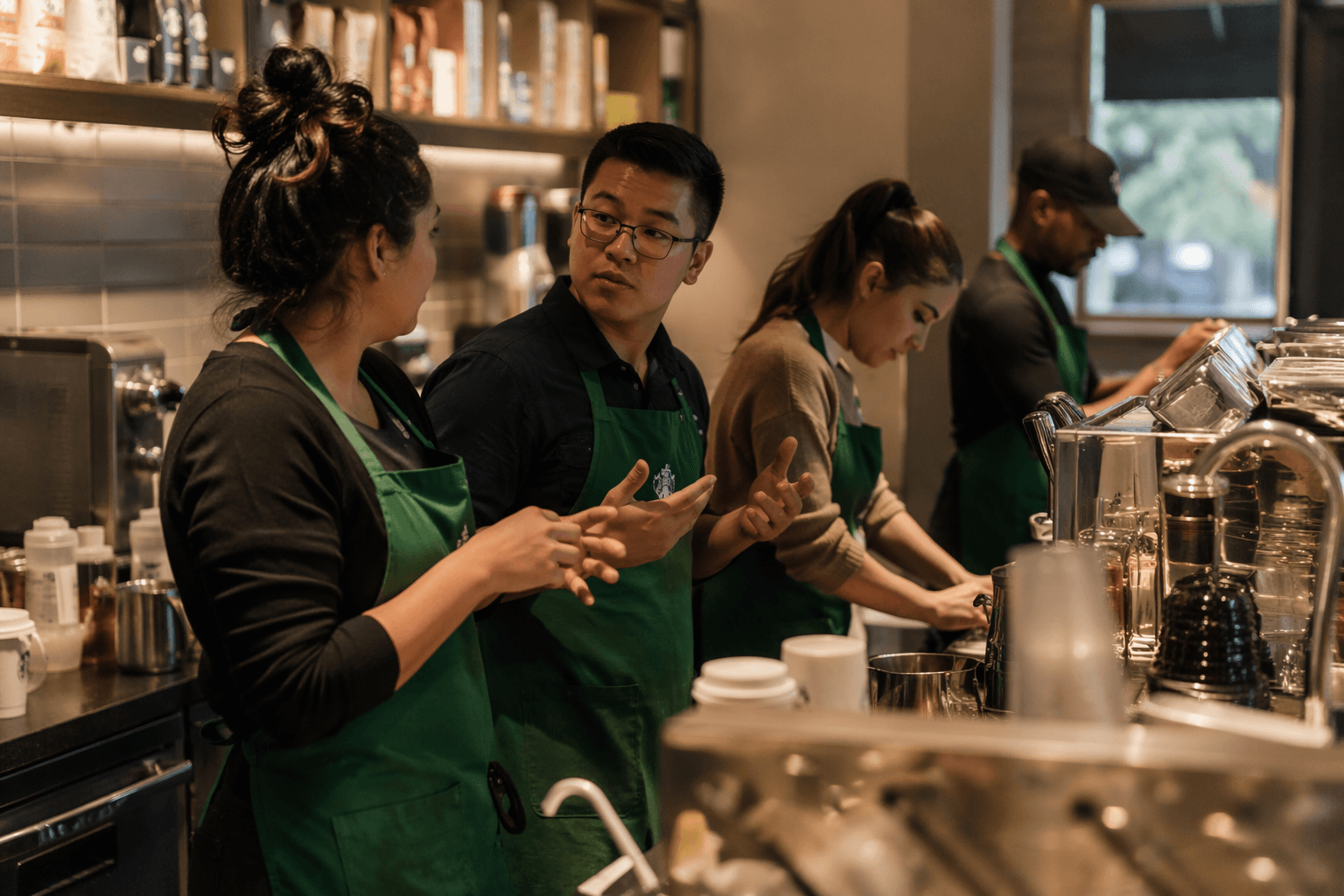
Minimum wages rose in Alaska, Oregon and Washington, D.C. on July 1, and Starbucks managers now have to treat pay as a store-by-store issue, not a brand-wide setting. The Economic Policy Institute estimated those three increases would affect more than 361,000 workers and add more than $221 million in earnings.
For Starbucks, the immediate question is not what the company pays nationally, but what each café owes at its own address. Alaska’s minimum wage moved from $13.00 to $14.00 an hour, Oregon’s July 1 rates range from $16.80 in the Portland metro area to $15.55 in standard areas, and Washington, D.C. raised its tipped minimum wage from $10.00 to $10.30. D.C. also requires employers to make up the difference if weekly tips plus base pay do not reach the full District minimum wage, a rule that can change the labor math in a store where the front counter and the tip line both matter.
That is the kind of change that ripples straight through scheduling and payroll. A barista hired into one neighborhood can start at a different rate than a barista down the road, even inside the same metro area, and that can quickly tighten the gap between floor pay and shift-supervisor pay unless managers review differentials. It also changes how many hours a store can afford to staff when the true cost of an hour varies by local wage floor, tip rules and transfer market.
Starbucks has its own compensation pressure on top of the local wage hikes. In April 2026, the company said it would roll out new incentive rewards, tip and pay enhancements across U.S. coffeehouses starting in July 2026, and said changes at about 5% of U.S. locations where partners are unionized would be subject to collective bargaining with Starbucks Workers United. The company has also said it pays about $30 an hour in average total pay and benefits, and that about 85% of partners get preferred hours.
The company’s scale makes the compliance burden harder to avoid. In its most recent quarterly filing cited here, Starbucks said it had 41,118 stores globally and 16,911 in the United States, with 52% company-operated and 48% licensed. That footprint means one payroll rule from headquarters cannot cover every market, especially when a single month can bring different wage floors in different states and cities.
The federal minimum wage has been stuck at $7.25 an hour since 2009, so state and local floors keep doing the work that Washington has not. For Starbucks, that leaves managers checking local wage tables, shift plans and promotion bands every time a store sits in a new pay jurisdiction.
This article was produced by Prism’s automated news system from verified source data, official records, and press releases, then run through automated quality and moderation checks before publishing. The system is built and supervised by the people who set the standards it runs under. Read our full AI policy.
Did this article answer your question?