NLRB says Starbucks managers risk coercion by asking about strikes
A Starbucks manager’s casual question about strike plans can become unlawful coercion if it lacks safeguards. The ruling gives workers a clear line to watch for on the floor.
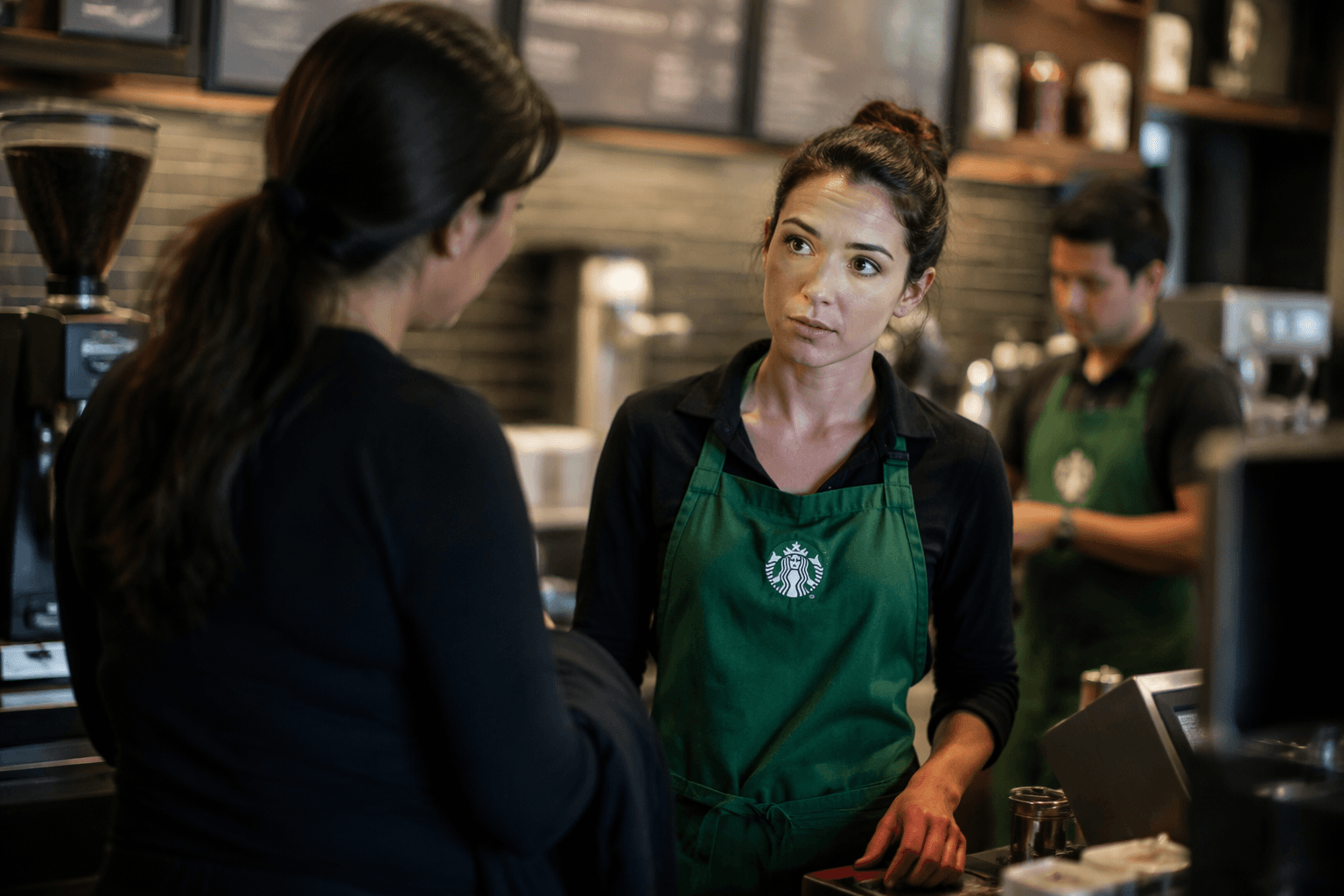
The National Labor Relations Board’s June 5 ruling says a Starbucks supervisor does not get a free pass just because a question sounds casual. Asking workers about strike plans can cross into unlawful coercion when the setup has the wrong pressure points in stores where managers and partners talk every day.
What the board said
The precedential decision, 374 NLRB No. 128, 2026 WL 1653597, came out of Starbucks Corporation and Workers United Labor Union International, affiliated with Service Employees International Union, in case 19-CA-299573. A three-member board panel issued it after an earlier administrative law judge decision on January 31, 2024.
The core issue is whether questioning employees about strike plans without the right safeguards can amount to coercive interrogation. The board treated the power imbalance between management and workers as the key fact, which means even a question that sounds informal can carry real pressure when it comes from a supervisor with scheduling power, discipline authority, or day-to-day control over the store.
At Starbucks, the company’s store culture is built on constant contact between shift supervisors, store managers, and baristas. In a setting like that, there is a fine line between ordinary operational talk and questions that can make workers feel watched.
The questions that create risk
The line is not just about one dramatic meeting in a back office. In a Starbucks store, trouble can start with questions about who is planning to strike, what coworkers are saying, whether someone attended a union meeting, or how people intend to vote. Those questions can sound like small talk or a check-in about coverage, but the board’s ruling makes clear that the context can turn them into coercive interrogation.
For managers and shift supervisors, if the subject is union support, strike planning, or other protected concerted activity, the safest assumption is that the conversation can create legal risk unless it is tightly handled. The board’s concern is not just the wording of the question but the pressure that comes from the job relationship itself.
Managers also need to be careful about what happens after the question. Follow-up comments, repeated check-ins, or any hint that the answer could affect scheduling, hours, discipline, or future treatment can make the problem worse. In a Starbucks store, that kind of pressure touches hours guarantees, pay, tips, and bargaining.
What managers can do instead
The safer approach is to keep labor-related conversations tied to legitimate business needs and to avoid anything that looks like monitoring, spying, or intimidation. If a store needs to know whether it will have enough coverage for a busy day, the question should stay with staffing and operations, not drift into who is supporting a strike or what people are planning off the clock.
A practical floor-level rule looks like this:
- Ask only what you need for operations, such as whether a shift can be staffed.
- Do not ask who attended a union meeting, who plans to walk out, or how someone intends to vote.
- Do not follow a neutral scheduling question with pressure about labor activity.
- Use company labor-relations guidance and escalate uncertain situations instead of improvising.
Starbucks supervisors often manage fast-moving stores where labor tensions can surface in the middle of service. A question asked while someone is ringing up mobile orders or trying to keep the cold bar moving can still be coercive if it is about strike plans.
What workers should watch for
The ruling also gives workers a warning sign. If a supervisor starts asking about strike plans, union activity, or who is involved in organizing, that may implicate your rights under the National Labor Relations Act. The problem gets sharper if the questions come with pressure, repeated follow-up, or a sense that management is collecting names.
In practice, that can look like a shift supervisor pulling someone aside after close and asking whether other partners are planning to strike, or a store manager checking who was “really there” at a meeting. It can also show up as a seemingly friendly floor conversation that suddenly turns into a probe about who is with the union and who is not.
Writing down who asked, what was said, where it happened, and who was nearby can help later if the exchange becomes part of a labor complaint. At Starbucks, where Workers United organizing and contract bargaining have put labor questions front and center, those details can make the difference between a blurry memory and a record of a potentially unlawful conversation.
Why this ruling lands inside Starbucks’ bigger labor fight
By June 9, 2026, Starbucks was already facing more board fallout. The NLRB found Starbucks violated labor law in two rulings, and in June 2026 the board ruled against the company in cases involving Seattle and Portland stores, finding it unlawfully interrogated striking employees and unlawfully disciplined union supporters.
Section 8(a)(1) forbids employers from interfering with, restraining, or coercing employees in the exercise of protected rights, and the Starbucks ruling applies that rule to a question managers may think is harmless.
The board itself is part of the backdrop
James Murphy and Scott Mayer were sworn in as NLRB board members after Senate confirmation on December 18, 2025, and Murphy was already chair by early June 2026. The Starbucks decision came from a newly active board that had begun issuing fresh precedential rulings after a leadership reset in Washington.
This article was produced by Prism’s automated news system from verified source data, official records, and press releases, then run through automated quality and moderation checks before publishing. The system is built and supervised by the people who set the standards it runs under. Read our full AI policy.
Did this article answer your question?