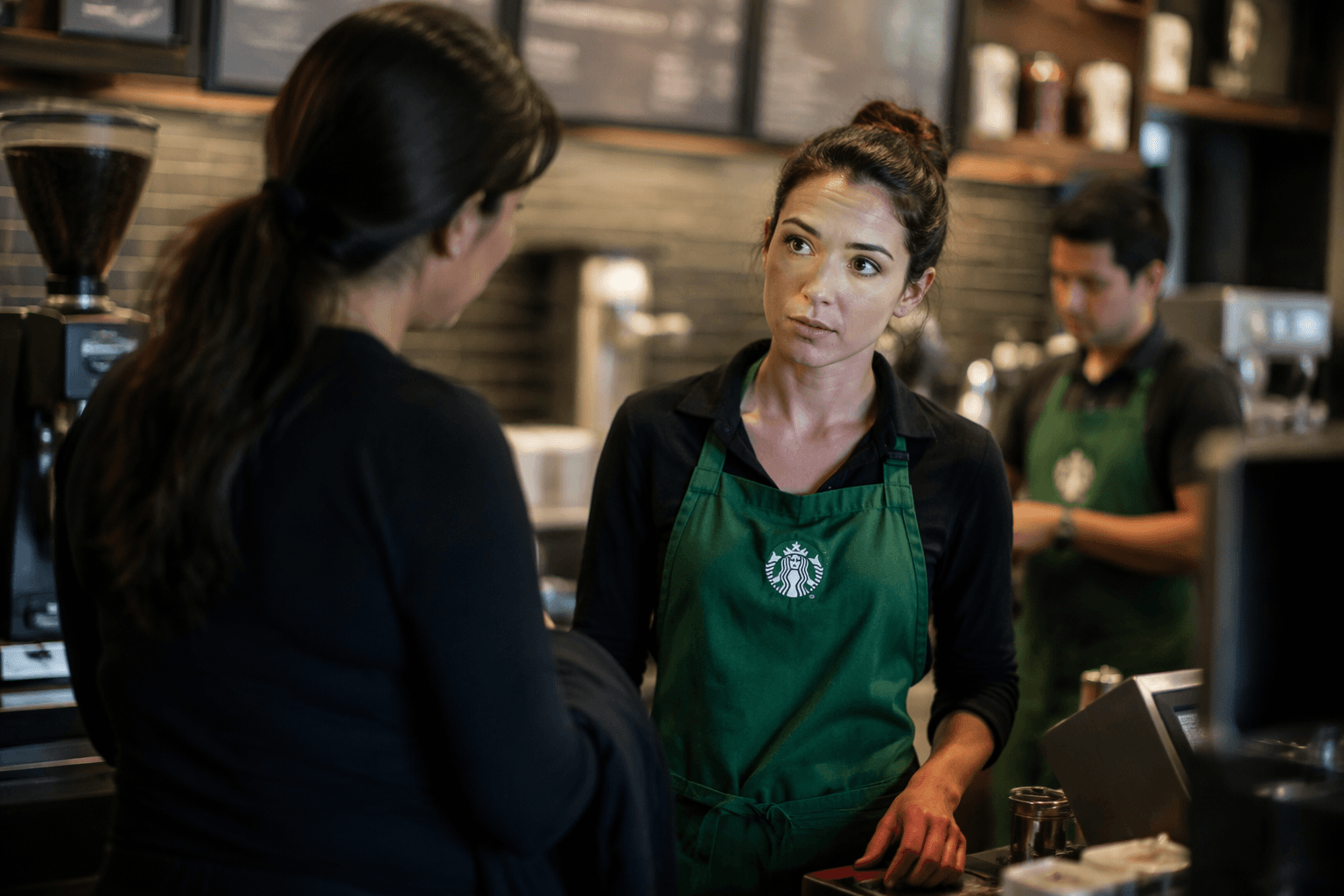
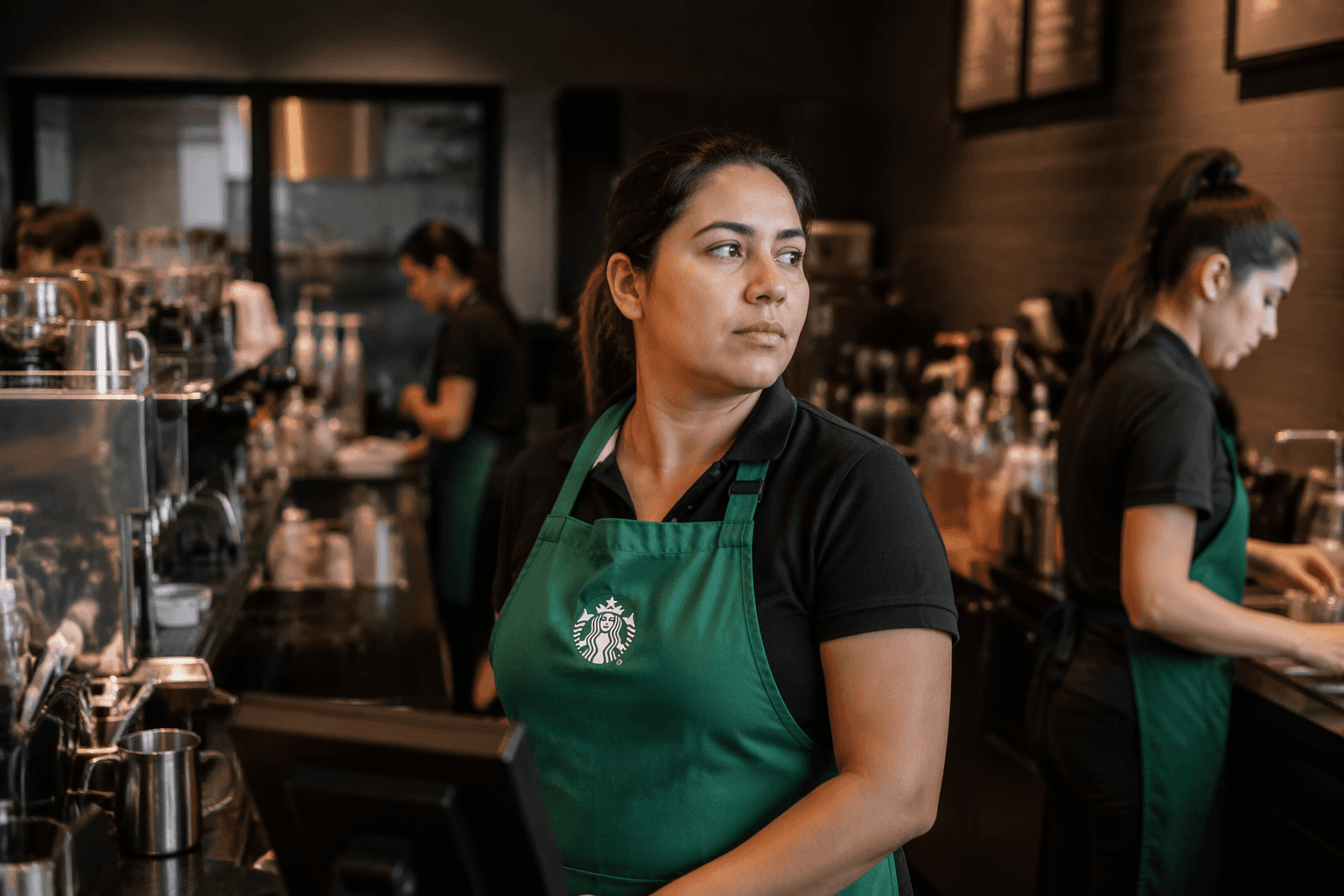
Starbucks leans into cafe linger strategy as store work shifts
Starbucks is trying to make stores linger-friendly again, which means more lobby upkeep and a different pace for baristas as labor pressure keeps building.
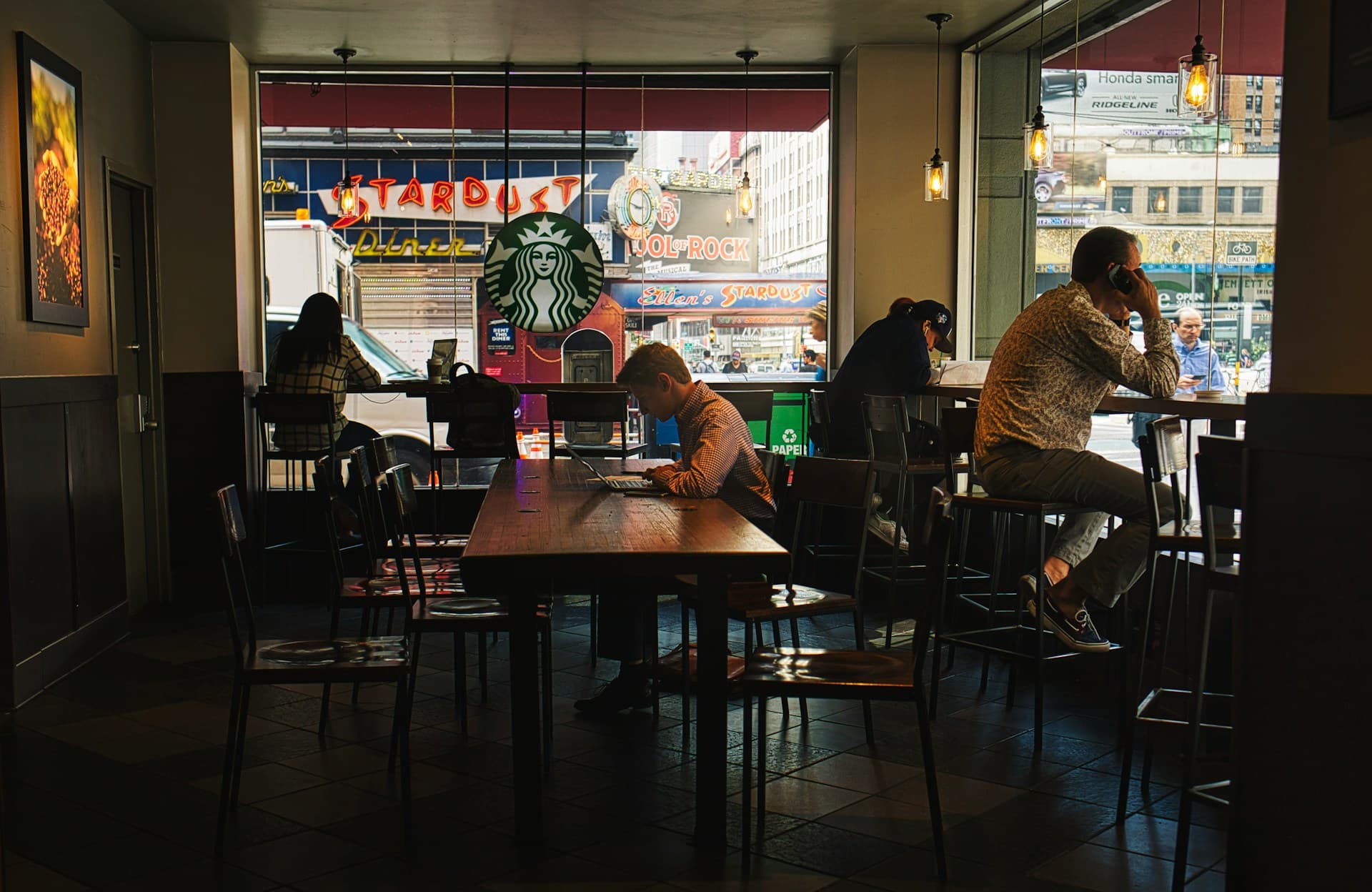
On January 14, 2025, Starbucks ended a longstanding policy that allowed people to sit in stores without making a purchase, part of a broader return to coffeehouse-style seating and design. Its push for people to “stay awhile” is more than a branding refresh, because the company is also tightening how stores are used.
From grab-and-go back to coffeehouse
Starbucks was founded in Seattle in 1971, and its “third place” idea, a social space between home and work, has long been part of the brand’s identity. Under CEO Brian Niccol, who took over in 2024, the company has been publicly recasting that identity around the coffeehouse itself. On October 30, 2024, Niccol vowed to overhaul cafes and simplify the menu, a signal that the turn is not only about what gets served but how the store functions.
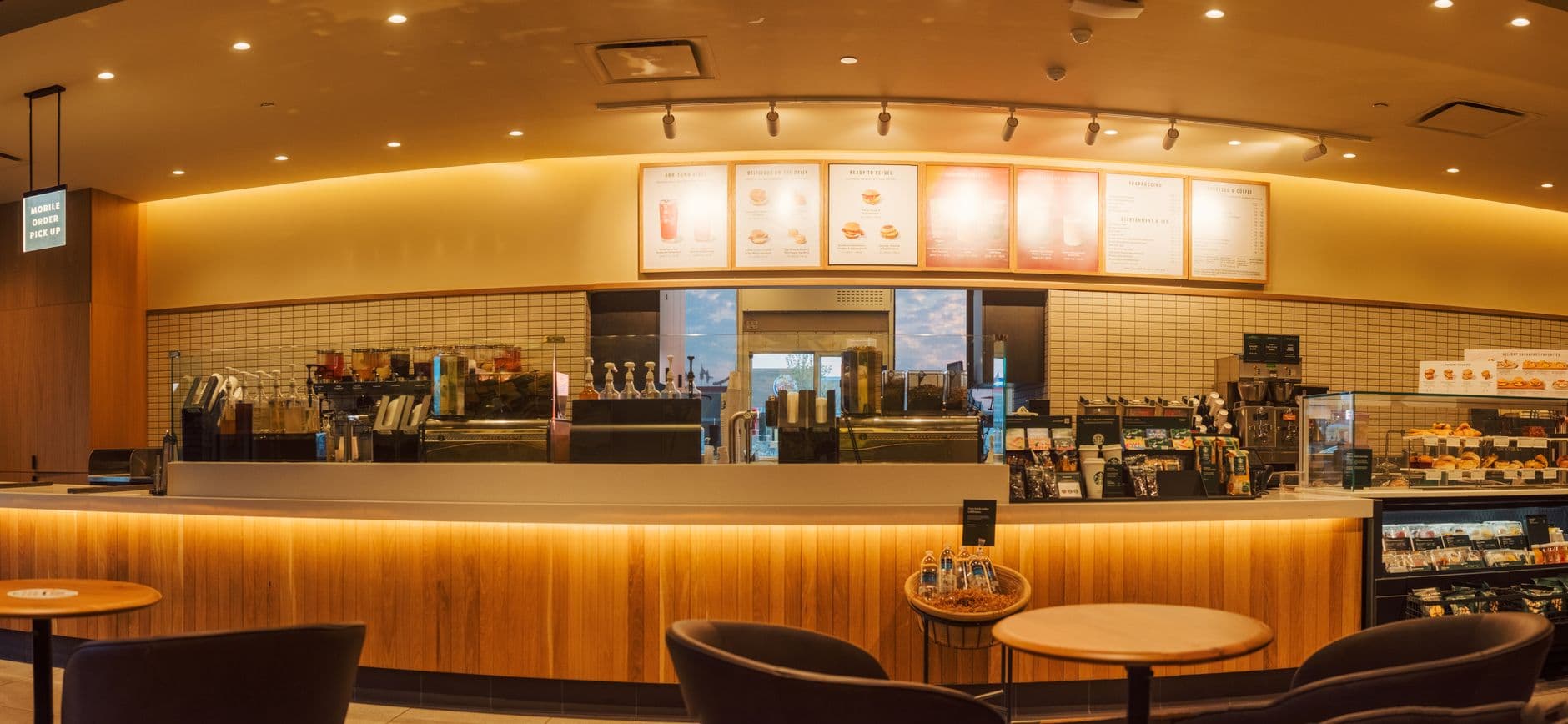
The company spent years pushing the opposite direction. By June 2025, Starbucks had pulled out 30,000 comfortable seats, installed hard wooden stools, blocked electrical outlets, and turned stores into takeout counters. Starbucks’s 2025 design messaging frames the shift as reclaiming the heart of the coffeehouse experience by bringing back generous, soft seating and designs reflecting the local community.
For store teams, that is not a cosmetic change. A room that is meant to keep people there longer creates more touchpoints after the handoff, more table resets, more trash runs, more clean-up around condiment stations, and more eyes on restrooms and lobby orderliness. The work shifts from pure ticket speed toward a blend of speed, hospitality, and room maintenance.
What the January policy change means on the floor
The code-of-conduct change ended a longstanding policy that allowed people to sit in stores without making a purchase. On the floor, it changes who feels entitled to a seat, how long guests linger, and how often partners are managing a café that is no longer built for open-ended occupancy.
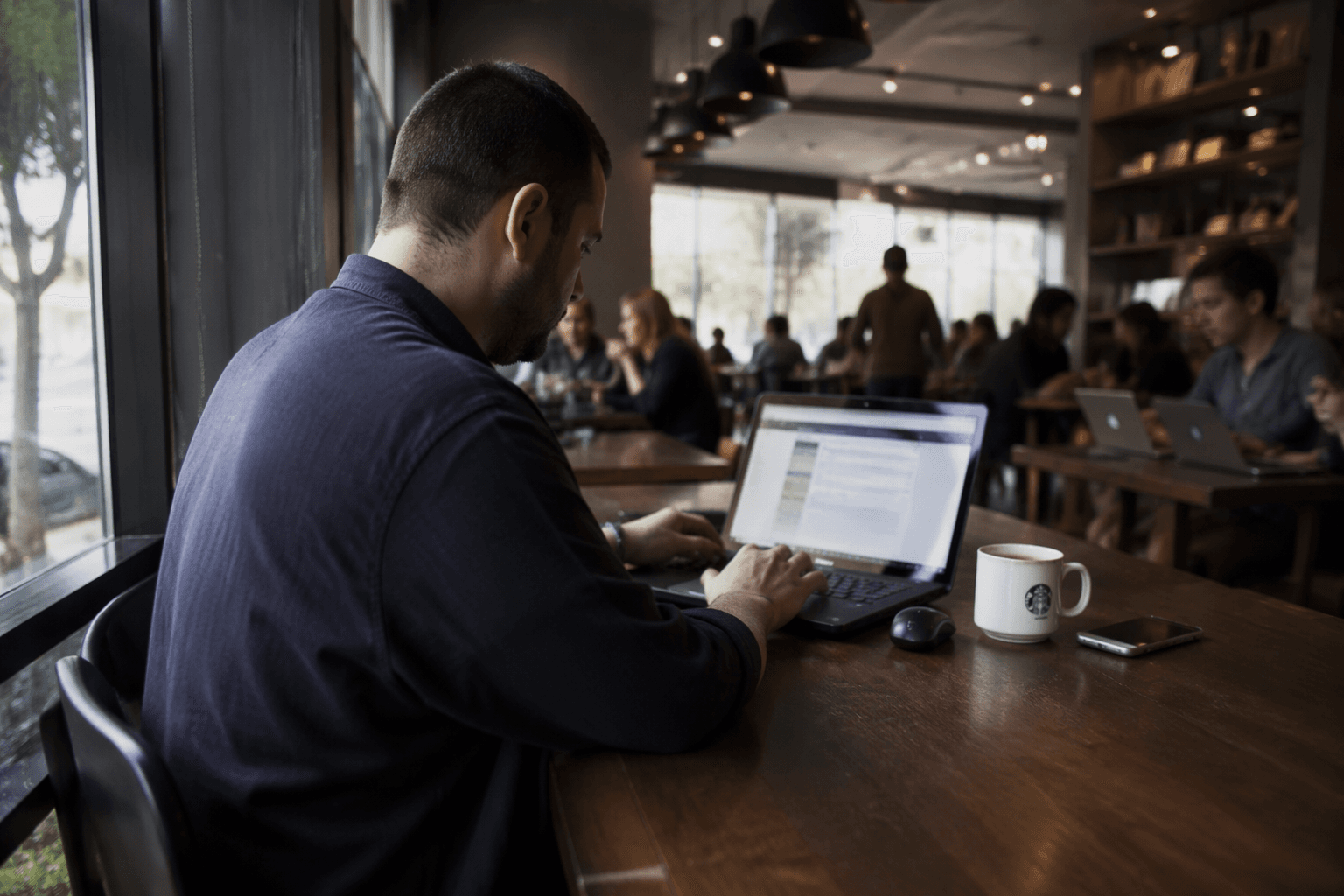
That change also sharpens the line between a café and a waiting room. If people are going to remain in the store, they are more likely to expect refills, a clean table, power access, and a place that stays inviting through the shift. For baristas, that can make the work feel more like classic service, with room for regulars and conversation, but it also adds pressure to keep the lobby looking ready even during rushes.
A lingering guest model needs enough labor to reset tables, wipe down surfaces, restock lids and napkins, and keep the space presentable after the morning peak, the lunch rush, and the afternoon lull. Without that support, the “stay awhile” message becomes another layer of work stacked on top of the existing order flow.
Why labor and design are tied together
The labor model has to match the layout. A store designed for long stays can improve the atmosphere for regulars and make the café feel less like a pass-through, but it also raises the amount of visible upkeep the crew is responsible for throughout the shift.
Seating and outlet decisions matter because comfortable chairs invite longer dwell times, and outlets invite laptop use, which means more people occupying the same square footage for longer stretches. If the company wants that kind of use, store managers have to plan staffing around it, because hospitality is no longer limited to the moment the cup is handed over.
The old grab-and-go model rewarded speed, but it also concentrated stress into a short burst of beverage production. The return-to-café strategy spreads the work differently: baristas still have to hit timing on drinks, but they also have to keep the environment looking like a place worth staying in. That means the rhythm of a shift changes, especially when one person’s table service, cleaning, and customer recovery tasks are now added to another person’s drink build.
The union backdrop makes the shift harder to ignore
This strategy lands in the middle of a long labor dispute with Starbucks Workers United. Starbucks and the union met for contract negotiations on April 26, 2024, and in December 2024 a strike expanded to more than 300 U.S. stores with more than 5,000 workers expected to walk off the job.
By 2025, the company was still facing union pressure and investor scrutiny, and in a November 2025 report the Strategic Organizing Center said customers were enduring long lines and wait times. If Starbucks wants stores to feel more welcoming and more like the brand’s original coffeehouse vision, it has to show how that works with the crews actually keeping the floors clean, the line moving, and the café usable.
For supervisors and managers, the question is not whether seating looks nicer. It is whether the staffing plan can absorb the extra lobby work without burning out the same people who are already covering drinks, mobile orders, drive-thru pressure, and customer recovery. For baristas, the shift is easy to see on the floor: more time away from the bar, more cleanup between waves, and more responsibility for the room itself.
What this strategy says about the next version of Starbucks
Starbucks’s 2025 design language treats the café as a strategic asset again. Bringing back soft seating and local design cues is meant to make the stores feel rooted in their communities, not optimized only for speed. That is a reversal from the years when the company pared back comfort and made the stores function more like pickup counters.
This article was produced by Prism’s automated news system from verified source data, official records, and press releases, then run through automated quality and moderation checks before publishing. The system is built and supervised by the people who set the standards it runs under. Read our full AI policy.
Did this article answer your question?