Starbucks closures bring staffing uncertainty to Seattle partners
Starbucks abruptly closed its Capitol Hill Reserve Roastery and Sodo Reserve store, putting transfers, hours and nearby staffing under pressure as the chain cuts 180-plus stores.
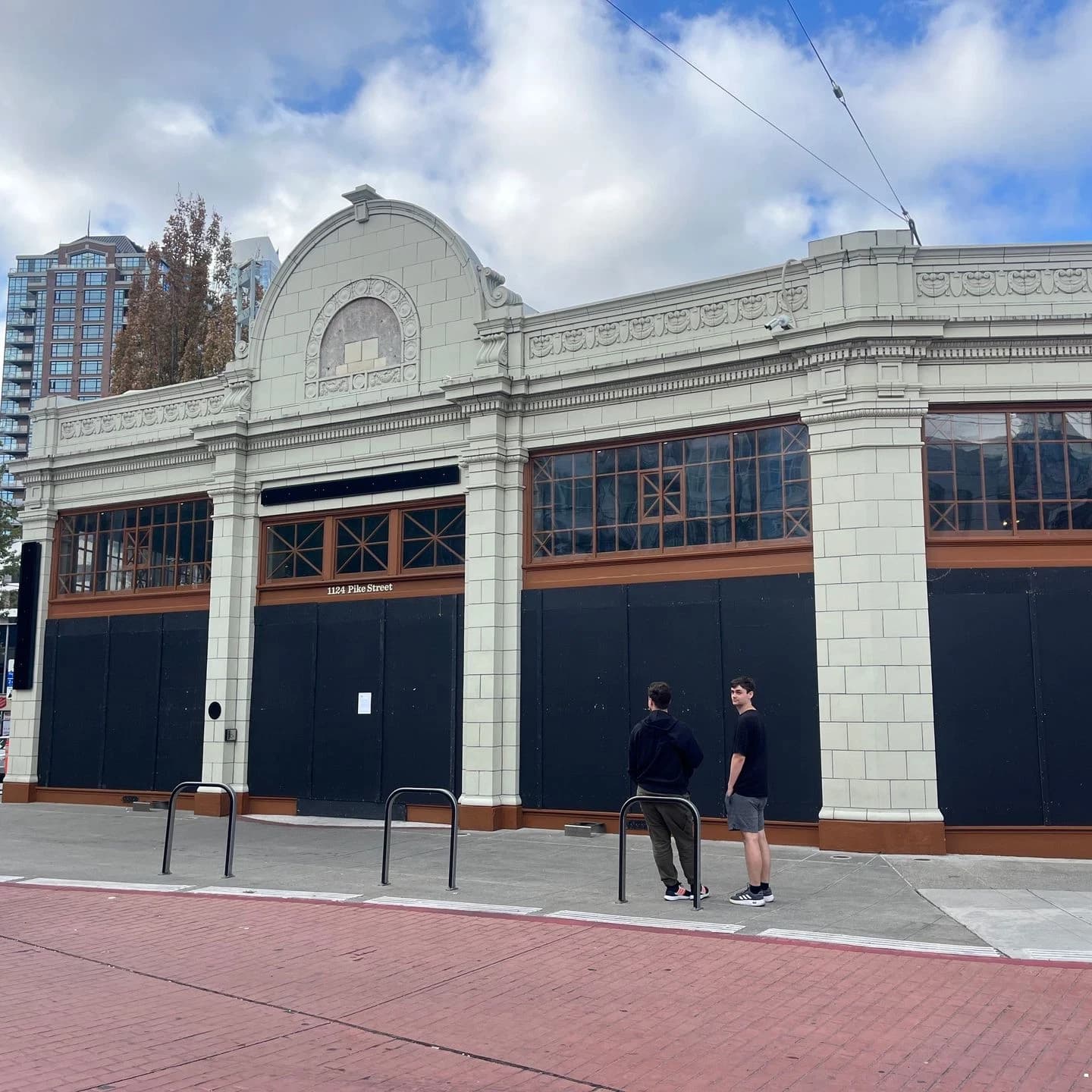
Starbucks abruptly closed its Reserve Roastery on Capitol Hill and its Reserve store in Sodo on Thursday, part of a $1 billion restructuring that will shut more than 180 stores across North America and cut about 900 non-retail jobs.
For Seattle partners, the immediate fallout is not corporate math but where they go next. A high-profile store closing can push workers into transfer searches, scramble schedules at nearby cafes and leave managers in Capitol Hill and Sodo absorbing more traffic with no long runway to adjust staffing, labor coverage or customer flow.
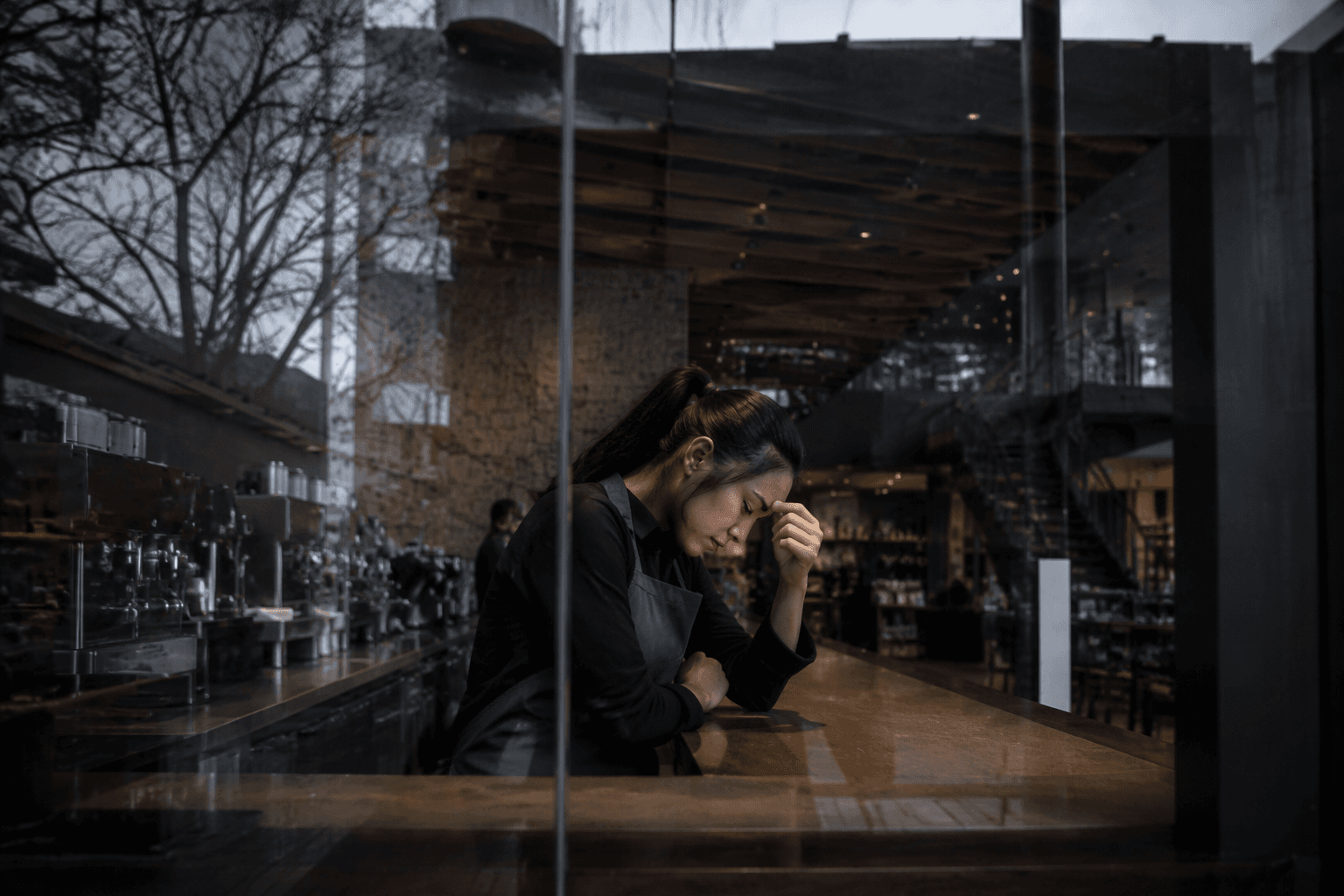
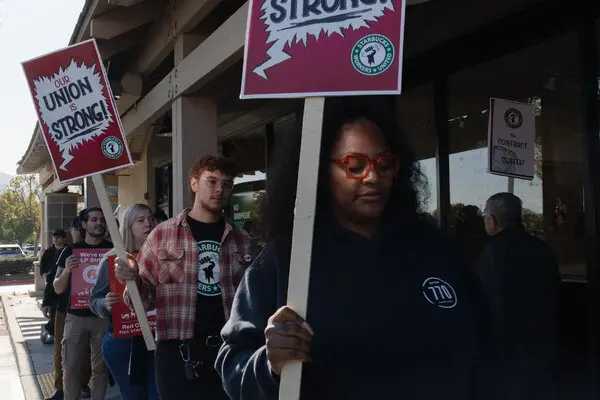
The closures landed just days after workers at the Capitol Hill store rallied, sharpening the labor stakes in Starbucks’s hometown. Starbucks Workers United said the announcement showed decisions were being made with “zero barista input” and said it was sending a formal request for information to Starbucks about the planned closures.
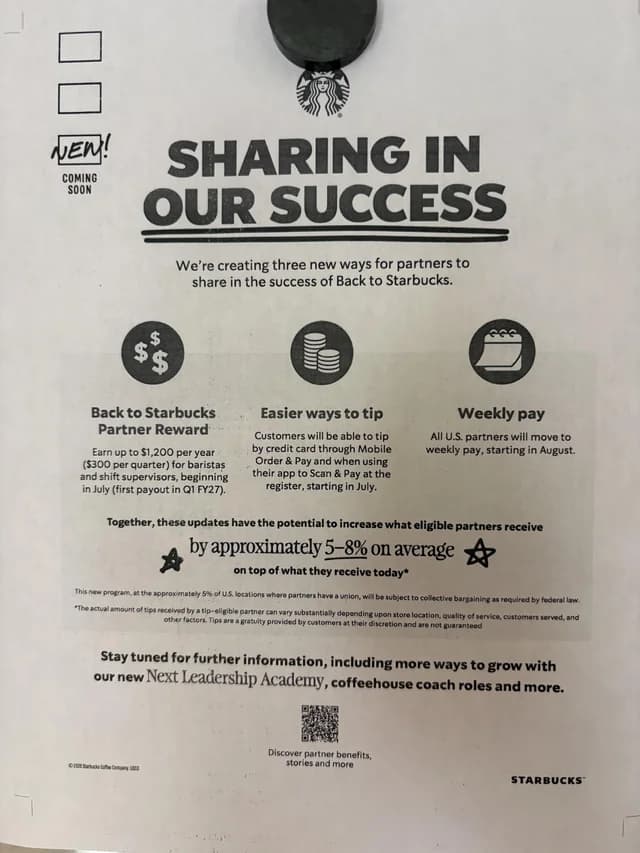
Starbucks framed the cuts as part of Brian Niccol’s effort to revive the company. In investor materials, the company said its fourth quarter and full fiscal 2025 results showed “Back to Starbucks” momentum, with flat U.S. comparable store sales in the fourth quarter and September turning positive. That improvement gives the company some financial cover for the restructuring push, but it does not make the day-to-day impact on store partners any smaller.
When Starbucks trims a Reserve site, it is not only closing a marquee address. It can wipe out specialty roles tied to that location, shift hours toward surviving stores and change which partners are first in line for transfers, overtime and advancement openings. In a market like Seattle, where brand identity and organizing history are both part of the landscape, the ripple effects can reach regular stores quickly, especially when nearby cafes are asked to pick up the volume from a closed destination store.
The Seattle shutdowns also show how Starbucks is shrinking or reshuffling support around frontline stores while it rethinks which locations still fit its cost structure. For baristas, shift supervisors and store managers, the signal to watch is whether the company keeps closing visible stores while asking the remaining ones to do more with the same labor model.
This article was produced by Prism’s automated news system from verified source data, official records, and press releases, then run through automated quality and moderation checks before publishing. The system is built and supervised by the people who set the standards it runs under. Read our full AI policy.
Did this article answer your question?