Starbucks details sick time, vacation, holidays and leave rules
Starbucks' time-off rules are spelled out in detail, from sick pay earned every 25 hours to vacation, holidays and leave that can make or break a paycheck.
Starbucks lays out a clear time-off system, but the fine print matters
For Starbucks workers, the biggest lesson is simple: sick time, vacation and leave are not informal favors from a shift supervisor. They are structured benefits with rules that can protect pay, hours and sanity when a store is short-staffed or life gets complicated. If you are trying to plan around a callout, a family emergency or a court date, the difference between knowing the policy and guessing at it can be the difference between getting paid and losing income.
Sick time starts building fast, and it can be used right away
Starbucks says all partners are eligible to accrue sick time. The company’s formula is straightforward: 1 hour of sick time for every 25 hours worked. Just as important for store workers is that sick time can be used as soon as it is earned, which means you do not have to wait for some later milestone before it has real value on the schedule.
The company also says there is no sick-time accrual maximum, but there is a cap on what carries over from year to year. Partners may carry over up to 520 total hours of sick time. In practical terms, that makes sick time a banked benefit, not just a short-term cushion, and it is the kind of detail that matters for workers trying to hold onto hours during a rough stretch.
Starbucks says it will follow local sick-leave laws in places where those rules exist, along with its own Partner and Family Sick Time policy. That matters for stores in cities and states with extra protections, because the strongest rule is the one that controls. For workers, especially those juggling inconsistent hours or a sudden illness, the key is to understand that sick time is earned on the clock and should be treated as part of the compensation you are building shift by shift.
Vacation comes after 90 days, and the hours worked drive the pace
Vacation is not an automatic day-one perk for retail hourly partners. Starbucks says those workers begin accruing vacation after 90 days of continuous service, and the amount builds based on actual hours worked. That means the pace of your schedule affects how quickly vacation accumulates, which is especially important in a business where hours can swing from week to week.
The company also says retail hourly partners began accruing paid vacation time sooner starting in February 2024, after a November 2023 announcement. For Starbucks employees, that change matters because it moved vacation access earlier in the employment timeline, giving newer workers a faster route to paid time off.
That is especially relevant in stores where hours are tight and labor is stretched. If your schedule is already thin, vacation accrual based on actual hours worked can mean slower growth in paid time off than many workers expect. Knowing that the 90-day mark opens the door is one thing; understanding that your weekly hours still shape the benefit is what helps you plan around it.
Holidays, bereavement and jury duty are all spelled out
Starbucks also identifies eight holidays it observes: New Year’s Day, Martin Luther King Jr. Day, Memorial Day, Juneteenth, Independence Day, Labor Day, Thanksgiving Day and Christmas Day. For workers, that list matters because holiday coverage affects both scheduling and pay expectations, especially in stores that stay busy while most of the country is off.
The company says all partners are eligible for two days of bereavement when an eligible family member dies, or four days if overnight travel is required. That distinction is worth knowing before an emergency hits, because the extra days can be the difference between getting through travel and returning to work too soon. It is one of those rules that often gets overlooked until a family crisis makes it urgent.
Starbucks also provides paid jury-duty or witness-duty leave for scheduled work time missed. That is not a small detail for hourly workers, who can be especially exposed when a court summons collides with a regular shift. If you are called for jury or witness duty, the policy is designed to cover the hours you miss on the schedule, not force you to choose between civic duty and pay.
The benefits package is broader than time off alone
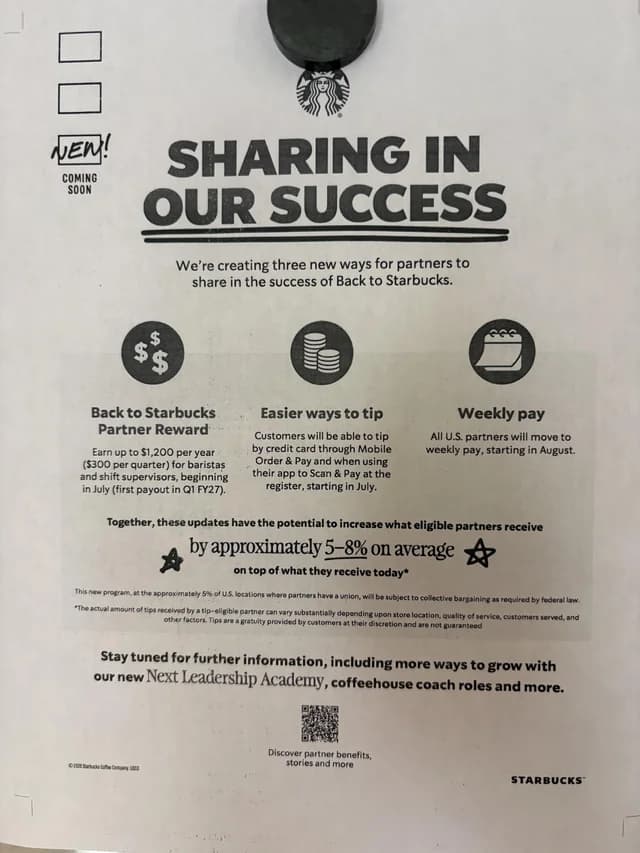
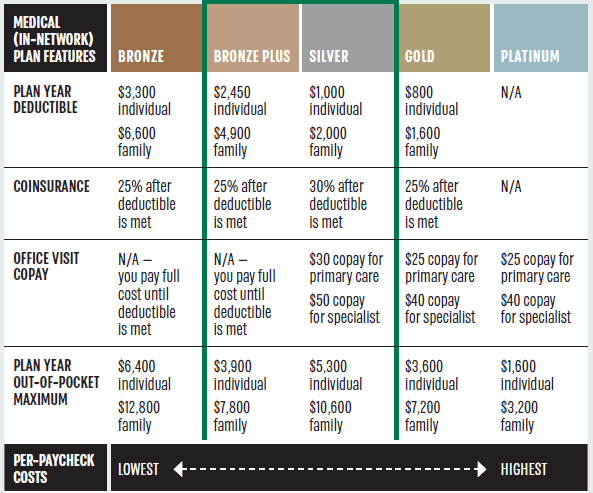
Starbucks says its hourly-partner pay and benefits package is worth, on average, more than $30 per hour. The company also says eligible partners can receive healthcare, tuition coverage, paid family leave, paid vacation, sick time and eight paid holidays. It says those benefits are available even when working part time, beginning at an average of 20 hours per week.
That is an important detail for Starbucks workers because the company often relies on a mix of part-time and variable-hour staffing. A benefit that starts at an average of 20 hours a week can make a real difference for a barista or shift supervisor whose schedule moves around from week to week. In a workplace where hours are often the difference between stability and scrambling, benefits tied to eligibility thresholds are as important as the headline hourly wage.
Union stores face a different kind of rulebook
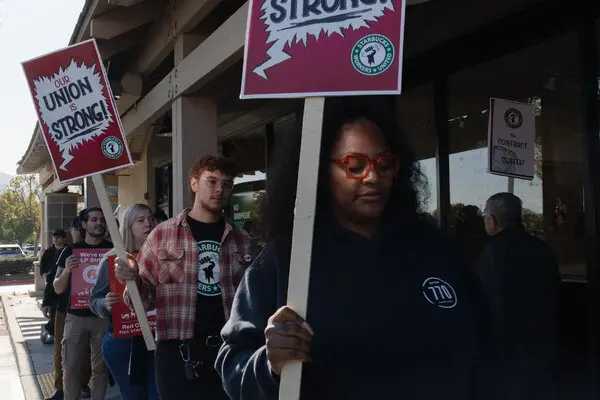
Starbucks also notes that in stores with organizing underway or certified union representation, changes to wages, benefits and working conditions may be subject to bargaining. For workers at union stores or stores in the organizing pipeline, that is a major point: management cannot simply rewrite the rulebook on its own if the subject belongs on the bargaining table.
Workers United has argued that unions negotiate for family-friendly policies such as paid sick leave and scheduling hours, and for equity across the workplace. The union says Starbucks workers first organized in Buffalo in 2021, and later said close to 250 Starbucks stores filed union election petitions during the organizing wave. That broader fight helps explain why the details of sick time, scheduling and leave have become such a flashpoint for baristas and shift supervisors.
For workers, the takeaway is not just that these benefits exist. It is that the terms can become part of collective bargaining, especially in a company where store staffing, tip income, scheduling and hours guarantees all affect take-home pay. When a store is organizing, every policy on leave and time off takes on added weight because it can shape both daily operations and the next contract fight.
What matters most on the floor
At Starbucks, time off is not a vague promise. Sick time accrues at a set rate, vacation starts after a defined service period, holidays are named in advance, and bereavement and jury-duty leave are built into the system. The smartest workers treat those rules like part of their compensation package, because that is exactly what they are.
If you work behind the bar, run a shift or manage a store, these details can help you protect your pay when life interrupts the schedule. In a company where hours, tips and staffing can change fast, knowing the leave rules ahead of time is one of the few ways to avoid losing income when you need time most.
This article was produced by Prism’s automated news system from verified source data, official records, and press releases, then run through automated quality and moderation checks before publishing. The system is built and supervised by the people who set the standards it runs under. Read our full AI policy.
Did this article answer your question?