Starbucks highlights paid parental leave, backup care and family support
Starbucks’ caregiving package is broad, but the real story is in the eligibility lines. Hourly partners need to know when paid leave, backup care and sick time actually kick in.

What Starbucks says is covered
Starbucks’ family-support package is wider than paid parental leave alone. On its U.S. benefits site, the company lists partner and family sick time, paid parental leave, Lyra Mental Health Benefit, Headspace, backup care, vacation and other time off, the Caring Unites Partners fund, family expansion reimbursement, and DACA reimbursement as part of the support menu for eligible partners.
That matters because Starbucks frames these programs as part of the employee package, not as emergency extras you have to beg for later. The benefits site says it is an official site maintained by the Starbucks benefits team, and the company also says several supports are available upon hire, including Lyra Health, backup care, Headspace, Spotify Premium, sick time, the coffee and beverage benefit, the weekly coffee markout and in-store discount, Starbucks Global Academy, partner matching gifts, commuter benefits, and the Caring Unites Partners Fund.
Paid parental leave is generous, but the rulebook is layered
Starbucks’ public family-support page says eligible partners welcoming a new child through birth, foster placement or adoption can receive up to 12 weeks of leave paid at 100 percent of average pay. Birth parents are listed as getting an additional six weeks immediately after birth at 100 percent of average pay, which makes the policy more substantial for the partner recovering from childbirth and the one handling the immediate medical and caregiving demands.
The company later said it would expand that benefit starting in March 2025 for U.S. store partners who work an average of 20 hours a week or more. Under that expanded version, birth parents can receive up to 18 weeks of fully paid leave, while non-birth parents can receive up to 12 weeks of fully paid leave.
That timeline matters for workers because Starbucks’ broader materials still describe the earlier structure, while newer corporate communications describe the bigger leave. For a barista or shift supervisor trying to plan around a due date, adoption placement or foster placement, the practical question is not whether the company has a family leave policy. It is which version applies to you, and whether your average hours clear the 20-hour threshold that Starbucks keeps using as the line for access to its wider benefits package.
Backup care is designed for the day a shift falls apart
Backup care is one of the most concrete supports Starbucks offers, and it is available from the date of hire. The benefit includes 10 days of backup care for kids or adults per partner per fiscal year, with the fiscal year running October 1 through September 30, and Starbucks says it comes with a small cost.
For workers in food service, that kind of coverage can be the difference between keeping a shift and losing a day’s pay. A closed school, a canceled daycare pickup, a sick child, or a parent who suddenly cannot be left alone can wreck a schedule fast, especially when store staffing is tight and the floor is already stretched thin.
Starbucks also says the backup-care package includes senior care planning services at no cost and a free premium membership to Care.com. That makes the benefit useful for partners who are juggling both ends of caregiving at once, which is common in a workforce that includes younger hourly workers, parents, and people supporting aging relatives.
Sick time and vacation are meant to be used, not hoarded
The everyday leave that workers actually reach for is often sick time. Starbucks says all partners are eligible to accrue sick time at a rate of 1 hour for every 25 hours worked, and they can use it as soon as it is accrued. The company also says unused sick time can roll over, up to a 520-hour carryover cap from year to year.
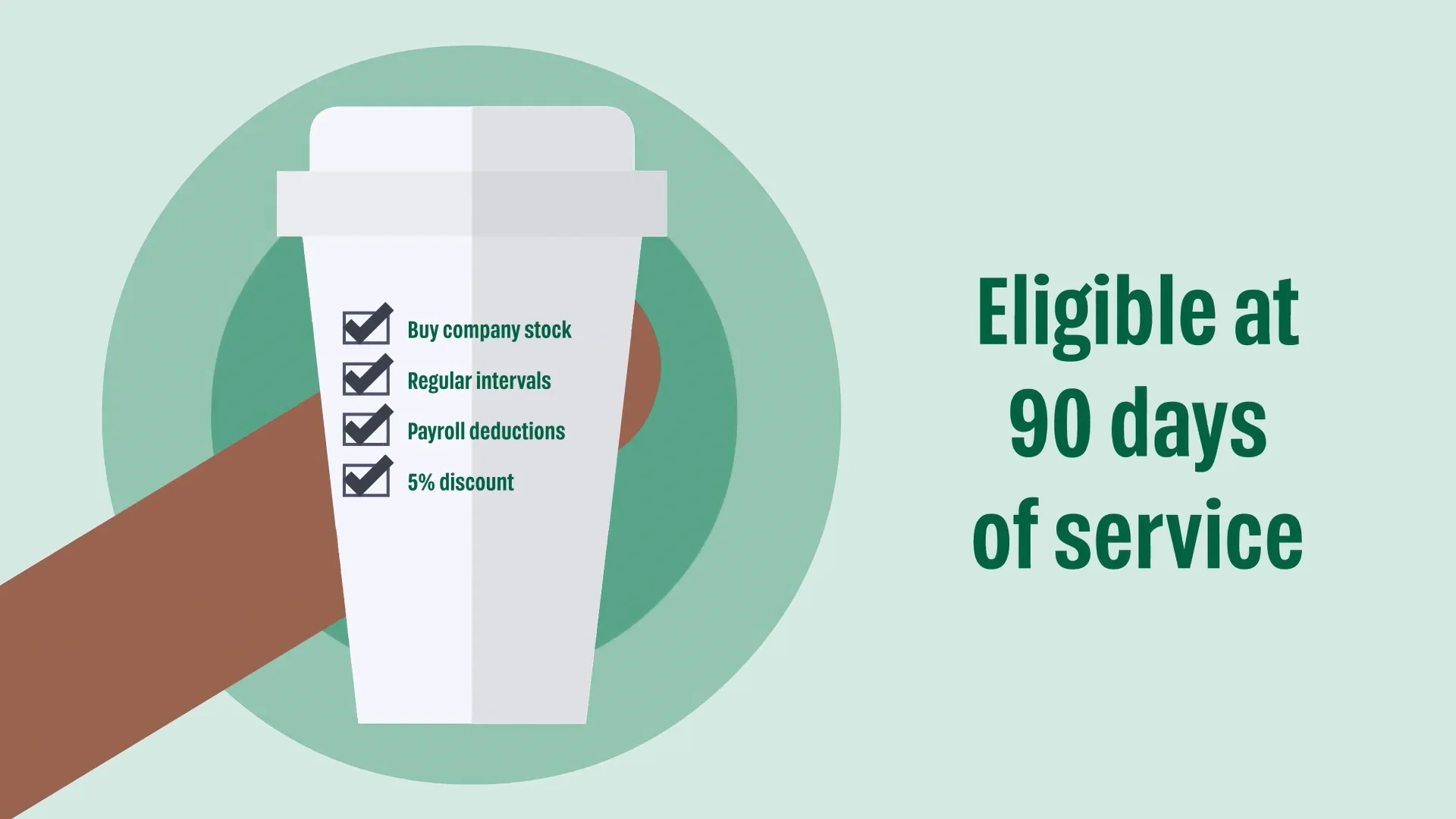
Vacation follows a different track. Retail hourly partners begin accruing vacation after 90 days of continuous service, which is a meaningful threshold for newer workers who may still be waiting to stabilize hours or move into a more predictable routine. Starbucks also says eligible partners can have bereavement leave, jury-duty pay and other leaves depending on the situation.
The request process matters as much as the policy language. Starbucks directs partners to mySedgwick or a phone line to request leave, which means the system is not just a manager conversation at the store level. It is an administrative process, and that can create friction when a partner is trying to handle a family emergency while also covering a shift.
The union context changes how workers should read the fine print
Starbucks’ vacation and other time-off page includes one of the most important lines for workers in organizing stores: changes to wages, benefits and other terms and conditions may not be unilaterally implemented in stores with organizing underway or certified union representation. In plain terms, store status can affect how quickly a policy gets changed or applied.
That is why the company’s benefits messaging cannot be separated from its labor fight with Workers United. Starbucks has said Workers United represents only 4 percent of its partners in its public bargaining statements, and it has said it engages in good-faith collective bargaining over terms and conditions of employment. The company has also publicly argued with the union over bargaining pace and contract proposals, making benefits part of a larger fight over who gets to define the workplace standard.
For partners, the practical takeaway is simple: if your store is unionized or organizing, do not assume every new policy will land automatically or on the same schedule as in a non-union store. Leave rules, access points and implementation details can be tied up in bargaining as much as in HR policy.
Starbucks uses family support to sell the whole job
Starbucks has spent years telling a larger story about itself as an employer. The company says it was the first major retailer to offer health benefits to both full- and part-time employees in 1988, and that Howard Schultz introduced an employee stock program in 1991, turning employees into “partners.” It now says it has invested more than $500 million in partners and coffeehouses through its Back to Starbucks effort, and in 2024 it said more than 230,000 partners received Bean Stock grants.
That backdrop helps explain why the company keeps tying caregiving support to its broader compensation pitch. Starbucks has said hourly partners working an average of 20 or more hours per week receive total pay and benefits worth more than $30 per hour, and in 2026 it pointed to expanded benefits, including the richer paid parental leave, as part of its case for stability and retention.
For workers, the bottom line is less about the slogan and more about the mechanics. Starbucks does offer a wide package, but the value depends on whether you hit the hours threshold, how quickly you can use the benefit, whether your store is under union bargaining, and whether you know where to file the request before a family crisis becomes a scheduling crisis.
This article was produced by Prism’s automated news system from verified source data, official records, and press releases, then run through automated quality and moderation checks before publishing. The system is built and supervised by the people who set the standards it runs under. Read our full AI policy.
Did this article answer your question?