Starbucks hiring page spotlights green apron culture and partner benefits
Starbucks’ hiring pages reward speed, availability, and customer tone more than coffee experience. For many hourly roles, the path from application to start can run about two weeks.
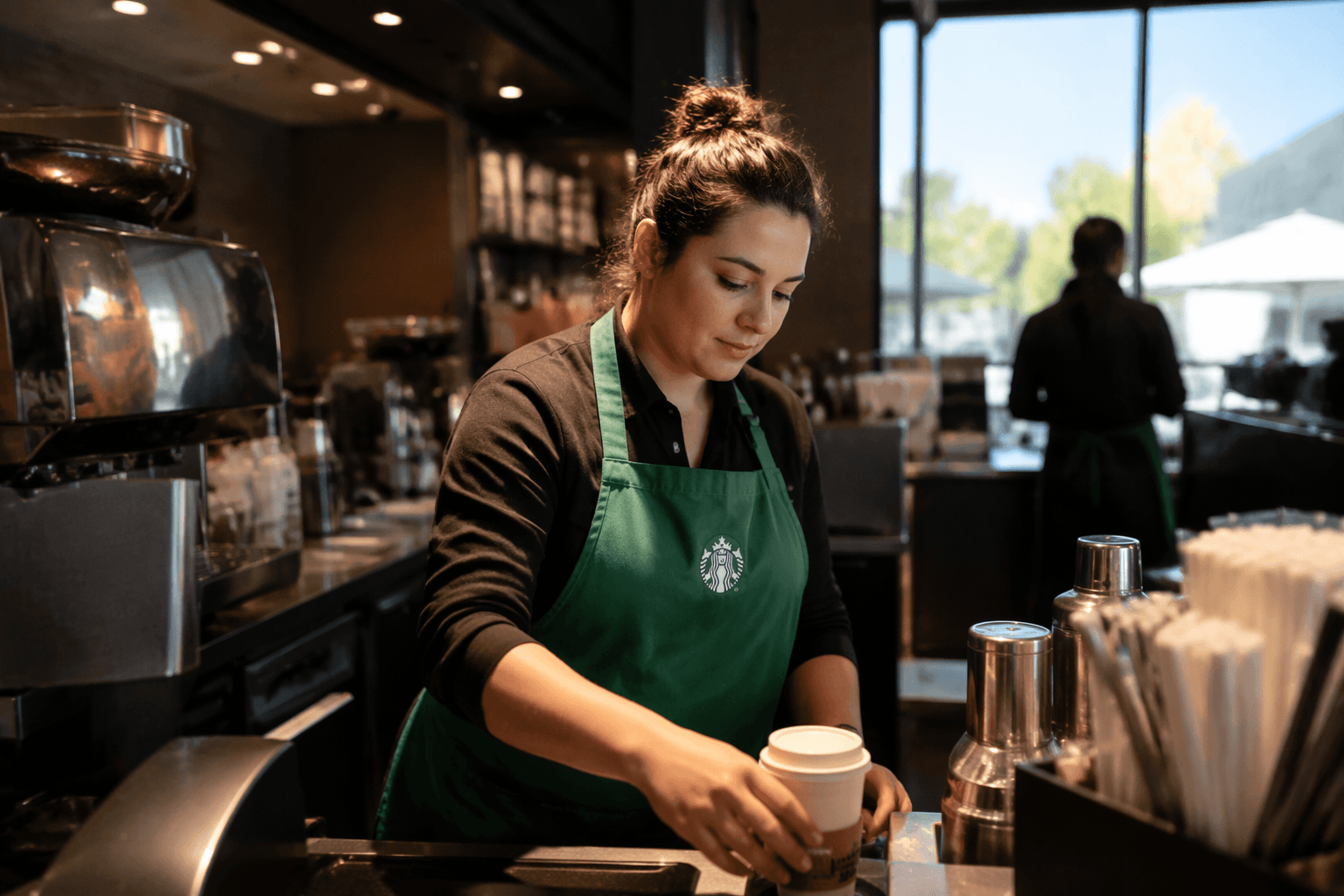
“It Starts With the Green Apron” is how Starbucks opens its recruiting pitch. Its hiring page is also a filter for whether you can fit a retail floor that runs on mobile orders, café lines, drive-thru traffic, and the company’s green apron culture all at once.
What the green apron language really means
Every shift, Starbucks tells applicants, is a chance to brighten someone’s day. It also describes itself as “in the people business, serving coffee,” a line that has shaped its recruiting pitch for more than 50 years. In practice, that means the company is screening for more than whether you can pull espresso shots or memorize recipes.
Joining Starbucks is framed as finding a place in a community that values connection. On the store floor, that means keeping your tone steady, making a customer feel seen, and working inside a team that moves fast when the rush hits. For barista, shift supervisor, and store manager candidates alike, Starbucks wants hospitality first, then technical skill.
How the hiring process usually moves
Starbucks’ FAQ and tips page is pitched as help “from application to interview,” and the hiring process page lays out the same basic flow: application, screening, one or more interviews, then an offer and onboarding. That sequence is straightforward, but it does not mean every step moves at the same speed for every store or role.
A Job Applications hiring guide puts most Starbucks hires from application to start date at about 14 days, and a Glassdoor summary based on 9,016 interview submissions also puts the average interview process at 14 days. That timeline is a useful benchmark for hourly retail roles, especially when a store is trying to fill gaps quickly. Specialized or safety-sensitive jobs can take longer, but for a barista applicant, two weeks is a realistic working expectation, not a guarantee.
What managers are really screening for
Starbucks is looking for customer service instincts, teamwork, reliability, flexibility with availability, and comfort in a busy environment where priorities can shift quickly. They show up in how you answer questions about handling a rush, recovering from a mistake, or covering a shift when another partner calls out.
Applicants without coffee experience can still stand out if they can show hospitality and problem-solving. In a Starbucks interview, that can matter more than whether you have worked behind a coffee bar before. If you can describe how you stayed calm during a dinner rush, handled a difficult customer, or learned a fast-moving routine on another job, that speaks directly to what Starbucks values.
Availability can make or break an application
For Starbucks, availability is often as important as experience. Store teams need reliable coverage, and Starbucks frames its culture around flexibility and connection, which is another way of saying the schedule has to work for the store, not just for you. If your availability is narrow, you may be passed over even if your interview goes well.

That is especially true around weekends, early mornings, and peak-day parts of the schedule when café traffic, mobile orders, and drive-thru demand pile up. Be ready to talk plainly about when you can work, how much notice you need for schedule changes, and whether you can handle rotating priorities. A candidate who can cover busy windows is usually stronger than one with a polished résumé but limited open hours.
What to prepare before you apply
If you want to improve your odds, treat the application like a retail screening, not a personality quiz. Starbucks’ language about connection, community, and the green apron points to a company that wants people who can show up consistently and communicate well under pressure.
Before you apply, have these pieces ready:
- A clear weekly availability window, including weekends, mornings, evenings, and any hard limits
- Examples that show customer service, teamwork, and problem-solving
- A short explanation of why you want Starbucks specifically, beyond “I like coffee”
- A reliable phone number and email address so screening does not stall
- Work history or school commitments that explain your schedule honestly
- Questions for the interview about training, hours, and what the store needs most
If you are aiming higher than a barista role, the same logic applies. Baristas and coffeehouse leadership are part of the same retail careers path, so a shift supervisor or store manager interview can become a preview of how you lead, communicate, and handle pressure.
Why the partner language matters inside the store
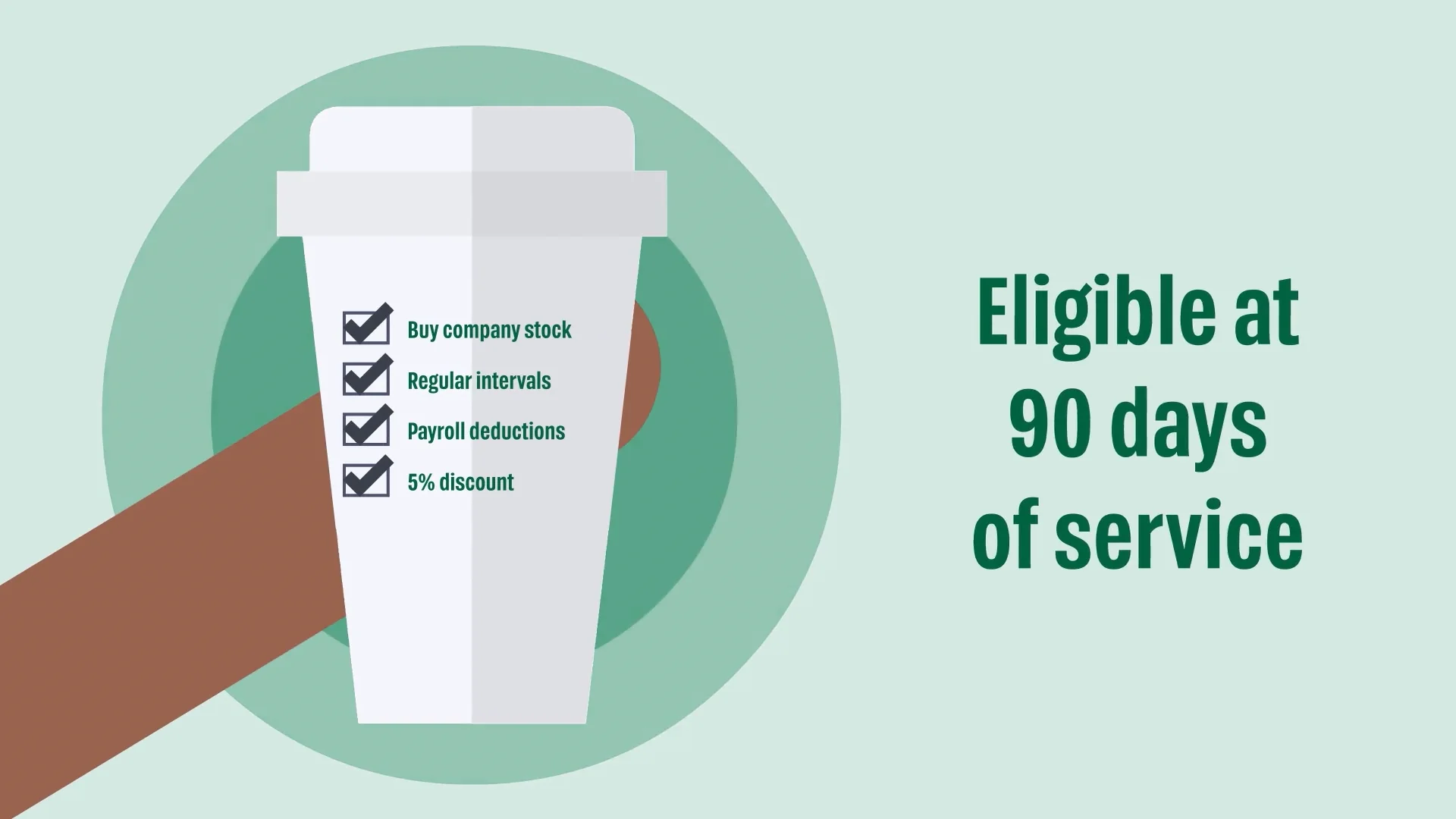
Starbucks calls employees “partners” because it believes success is best when shared, and it points to the annual Bean Stock grant as a way workers share in Starbucks’ future success.
For current partners, the hiring pages can feel like a road map for internal growth. If Starbucks wants communication, reliability, and a positive tone at the front end, those are the same habits that tend to matter later for shift coverage, promotion, and leadership trust.
Starbucks has used its scale to signal how large its retail workforce can be. In 2017, the company said it planned to create 240,000 jobs by 2021.
This article was produced by Prism’s automated news system from verified source data, official records, and press releases, then run through automated quality and moderation checks before publishing. The system is built and supervised by the people who set the standards it runs under. Read our full AI policy.
Did this article answer your question?