Starbucks leans on nostalgia drinks to boost traffic and loyalty
Starbucks is reviving beloved drinks to drive visits, but each nostalgic launch also raises the stakes for staffing, training and floor execution.

Nostalgia is now part of the traffic plan
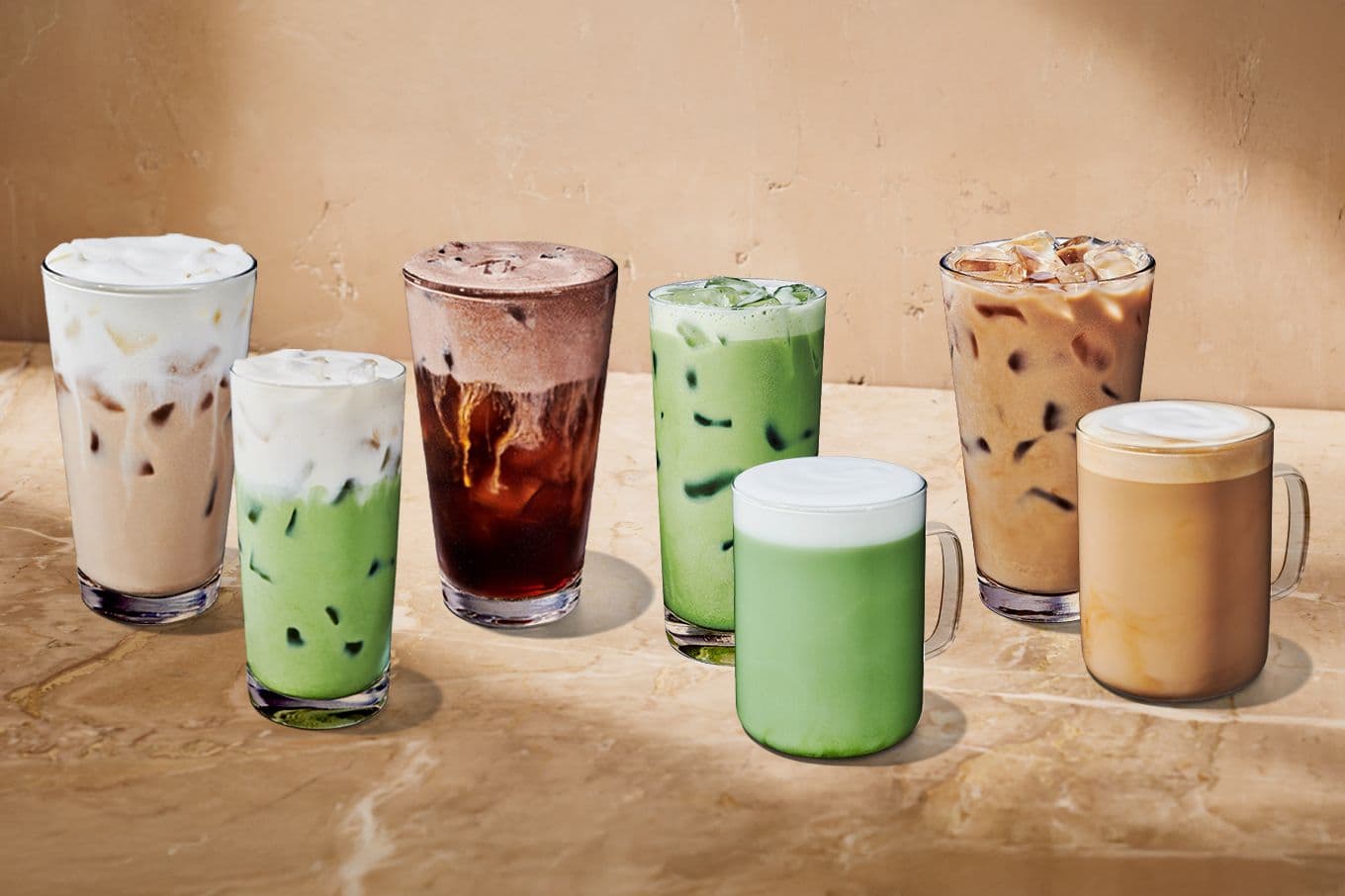
Starbucks is betting that familiar drinks can do more than spark chatter online. The company has already brought back the S’mores Frappuccino and is set to roll out a new s’mores-inspired cold brew at participating U.S. stores from June 30, 2026, a move that fits squarely inside its Back to Starbucks reset and its push to rebuild loyalty while traffic and profitability remain uneven.
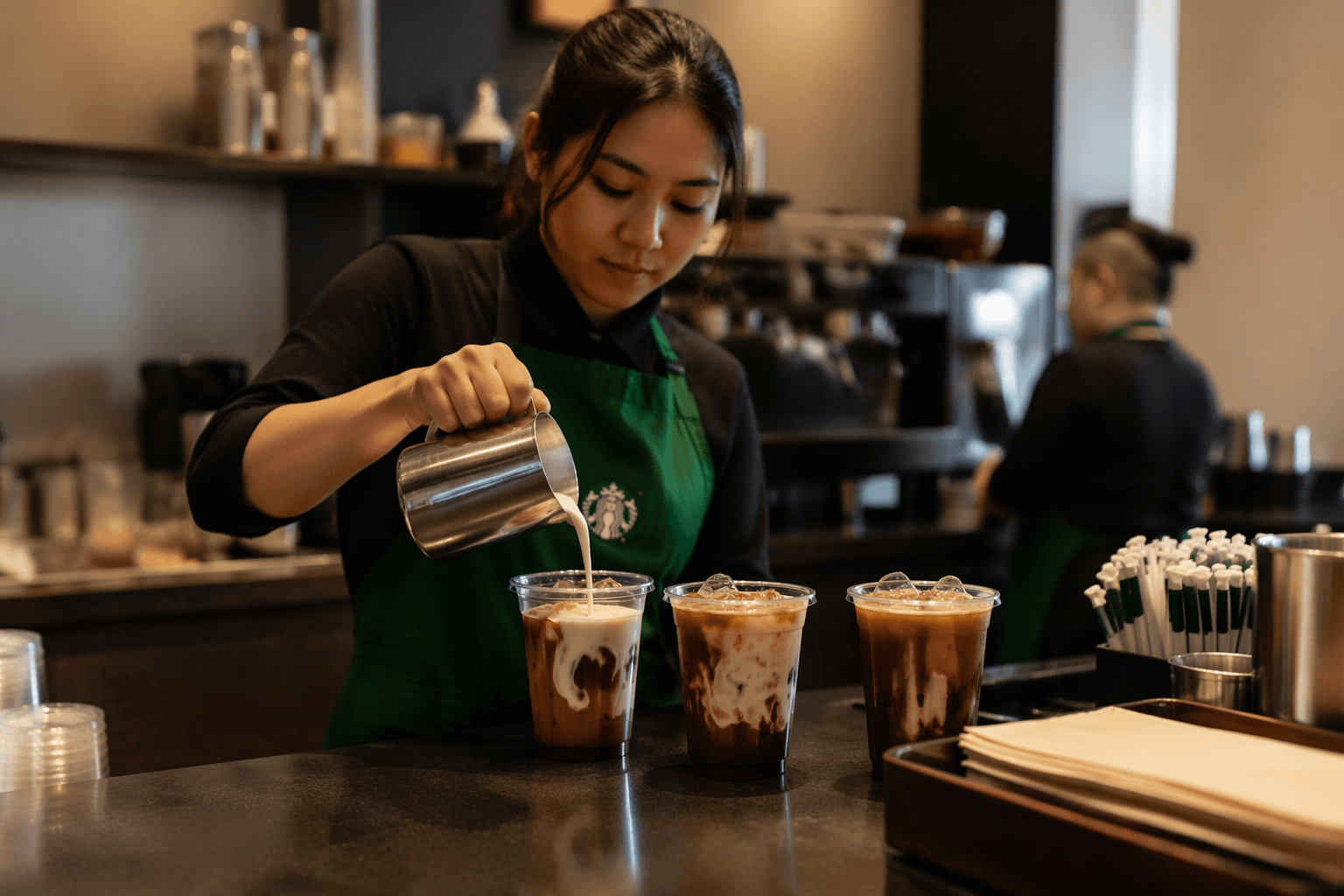
For baristas, that kind of throwback is never just a marketing beat. A returning drink can drive curiosity, add urgency to the rush, and pull in customers who want to try it before it disappears again. It can also mean extra ingredient pulls, more questions at handoff, and a sharper learning curve for partners who have to remember older build standards or explain what is and is not available during a limited launch window.
Why the floor feels the squeeze
Nostalgia launches tend to look simple from the outside because the customer already knows the flavor. Behind the bar, the work is less simple. Returning drinks often require precise builds, special toppings, or ingredients that do not sit in the core daily rhythm, which is where small gaps in training can turn into slowdowns during peak hours.
That matters in stores where every added step competes with drive-thru timing, mobile orders, café lines and warming. A drink built to trigger social buzz can become a service bottleneck if staffing is thin, if pars are off, or if the team does not have enough practice before the rush hits. In the Starbucks world, where launches are often layered on top of already busy shifts, nostalgia can feel less like a celebration and more like a test of whether the store was given enough support to absorb the demand.
For shift supervisors and store managers, the real question is whether the company is translating the marketing plan into a workable floor plan. If the launch is supposed to bring repeat visits, then the store needs enough labor coverage, enough product in back, and enough clarity on builds and substitutions to keep the rush moving without burning out the team that has to carry it.
Back to Starbucks is more than a slogan
Starbucks has tied these drink launches to a broader turnaround message. At its January 29, 2026 Investor Day, the company said Back to Starbucks is meant to make the brand more visible, relevant and loved, while its Green Apron Service model is supposed to improve throughput, customer experience and coffeehouse operations. Starbucks also laid out a fiscal 2028 framework that calls for 5 percent or greater consolidated net revenue growth, 3 percent or greater global and U.S. comparable store sales growth, more than 2,000 net new stores globally, and non-GAAP operating margin of 13.5 percent to 15 percent.
That framing matters because it shows how tightly the menu strategy is now tied to the operations strategy. Starbucks is not just trying to sell a drink with a recognizable name. It is trying to use recognizable menu hits to get customers back more often, protect margin discipline, and keep the turnaround moving without making the store floor harder to run.
The logic is especially clear in the way the company talks about throughput. A nostalgic drink can be a brand signal, but it is also a timing event. If the line moves faster, the launch reinforces the turnaround story. If the line bogs down, the company risks proving the opposite, that it is asking front-line workers to carry the weight of the nostalgia campaign.
Simplification and nostalgia are happening at the same time
Starbucks has also been telling investors and employees that simplification is central to the turnaround. In spring 2025, the company said it was removing less popular or complex items to improve wait times, quality and consistency, and to make room for innovation. It said that effort would cut roughly 30 percent of menu items in the U.S. by the end of fiscal 2025.
That creates an interesting contradiction. On one hand, Starbucks is shrinking the menu to make the bar easier to manage. On the other, it is reviving older favorites and layering in new limited-time drinks that depend on careful execution. The result is a menu strategy built around fewer core items but more emotionally loaded launches, which puts even more pressure on training, inventory planning and launch-day discipline.
The company’s broader Back to Starbucks milestones reinforce that idea. Starbucks has reintroduced condiment bars, handwritten notes, ceramic mugs, free refills and a simplified dress code built around the green apron. Those changes signal a return to a more familiar coffeehouse identity, but they also show that the brand is trying to choreograph the store experience from the counter to the cup. Nostalgia is not being used as a sentimental add-on. It is becoming part of the operating model.
The summer lineup shows how the pattern is working
The pattern goes beyond one drink. Starbucks’s May 2026 summer menu included the Tropical Butterfly Refresher, the return of the Iced Horchata Shaken Espresso, and a new Horchata Frappuccino, while also adding scheduled ordering in the app. That combination says a lot about where the company is headed: use familiar flavor cues, keep the launches fresh enough for social sharing, and lean on digital ordering to manage demand.
The summer schedule also includes a louder nostalgia play. Starbucks confirmed on June 2, 2026 that the Unicorn Frappuccino will return later in the summer for one weekend. The drink first became a viral sensation in 2017, and it had already appeared at Coachella earlier in 2026, where Starbucks served as the festival’s official coffee, tea and Refreshers sponsor. That is a clear sign the company sees fandom and scarcity as part of the same traffic engine.
For workers, the pattern is familiar: when Starbucks wants a launch to feel special, stores often feel the extra volume first. The company can use app scheduling, tighter menu discipline and new service models to make the plan work, but the success of the strategy still depends on whether the launch is supported with enough labor, enough prep and enough product to keep the floor stable.
Why the timing matters for stores and workers
Starbucks’s own results help explain why the company is pressing harder on this formula. On April 28, 2026, it reported Q2 fiscal 2026 global comparable store sales up 6.2 percent and consolidated net revenues up 9 percent to $9.5 billion, with U.S. comparable store sales up 7.1 percent in earnings coverage summarizing the release. The company also raised its fiscal 2026 guidance.
That kind of momentum creates incentive to keep the traffic story alive, and nostalgia drinks are an easy way to do it because they already come with built-in recognition. But for the people making the drinks, the upside only lasts if Starbucks supports the launch the way it supports the branding. In the backdrop of the Starbucks Workers United organizing wave and ongoing bargaining, baristas have had plenty of reason to scrutinize whether new demands come with real staffing, stable hours and workable scheduling, or whether the pressure simply gets pushed onto the shift.
Starbucks can keep reviving beloved drinks as long as it wants. The harder question is whether it can keep doing it without turning nostalgia into another form of frontline strain.
This article was produced by Prism’s automated news system from verified source data, official records, and press releases, then run through automated quality and moderation checks before publishing. The system is built and supervised by the people who set the standards it runs under. Read our full AI policy.
Did this article answer your question?