Starbucks says Green Apron Service is improving store performance and growth
Starbucks says Green Apron Service is lifting service times and throughput after a 1,500-store pilot. The company is tying that floor-level reset to 400 new U.S. stores a year by fiscal 2028.
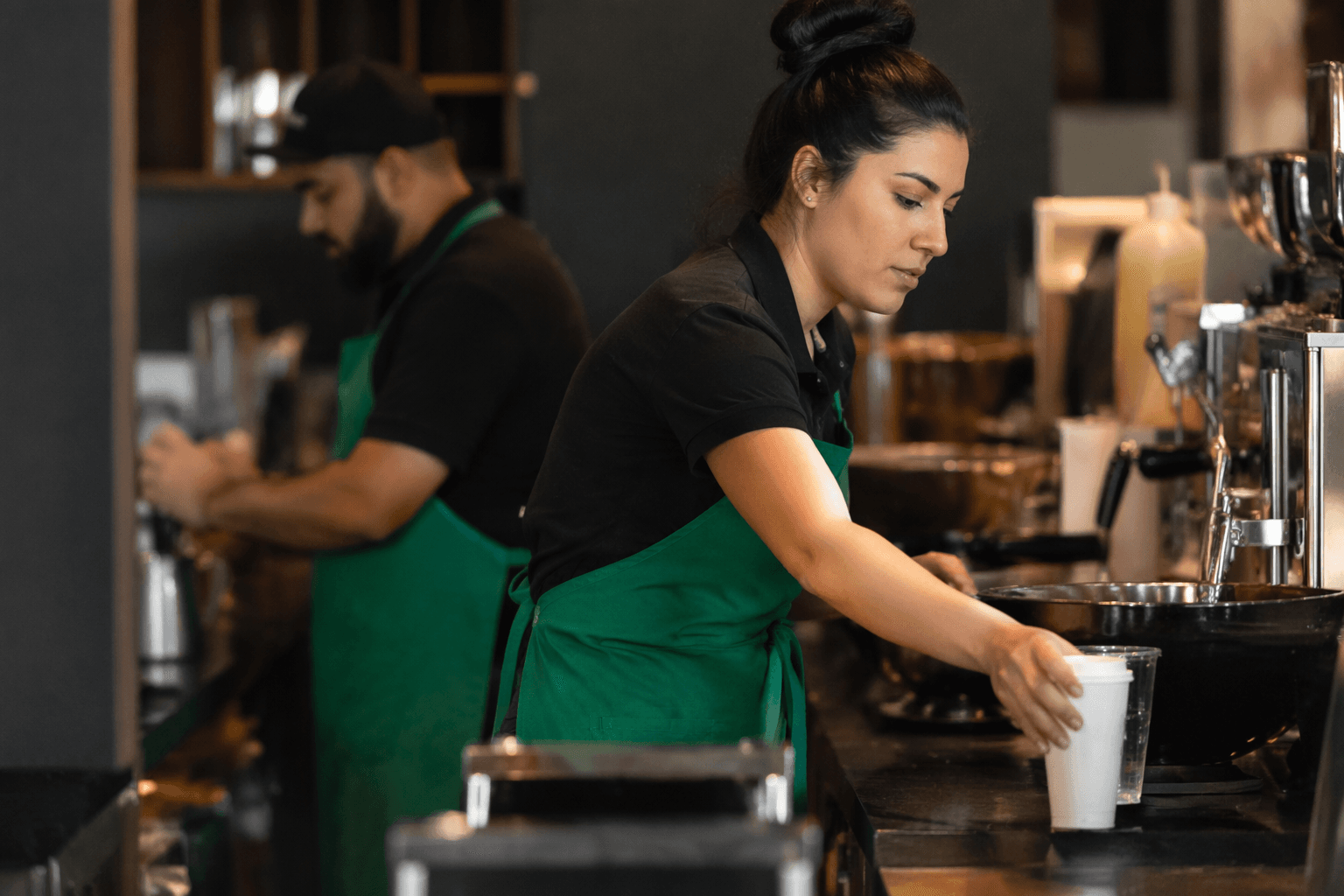
Starbucks is telling investors and store leaders that Green Apron Service is doing what the company needed most: making the floor run better. The program had been fully rolled out in North America company-operated coffeehouses, and Starbucks said it was already driving improved service times, higher throughput, and stronger customer satisfaction.
That claim sits at the center of the company’s January 29 operations message, where chief operating officer Mike Grams argued that Starbucks had world-class partners but an operating model that made it hard for them to deliver. His answer was to reduce complexity, raise standards, and give partners better tools. For baristas, shift supervisors, and store managers, that is the company’s own explanation for why the job feels so dependent on execution, even as café, mobile, drive-thru, and delivery orders all hit the same small space at once.
Starbucks is also linking that operating reset to expansion. Its fiscal 2028 framework calls for more than 2,000 net new stores globally across company-operated and licensed locations, including about 400 net new U.S. company-operated stores. The company said it planned to open 400 net new U.S. stores annually by fiscal 2028, a pace that makes store performance more than a back-of-house issue. It is part of the growth story.
The company first tested Green Apron Service in 1,500 stores for eight weeks in 2025, then expanded it to more than 2,000 company-operated U.S. coffeehouses by May 2025. In September 2025, Brian Niccol said Starbucks was one month into the nationwide rollout. By January, the company was presenting the program as proof that the turnaround was taking hold. That sequence matters because it shows Starbucks trying to move from pilot to rollout to permanent operating model.
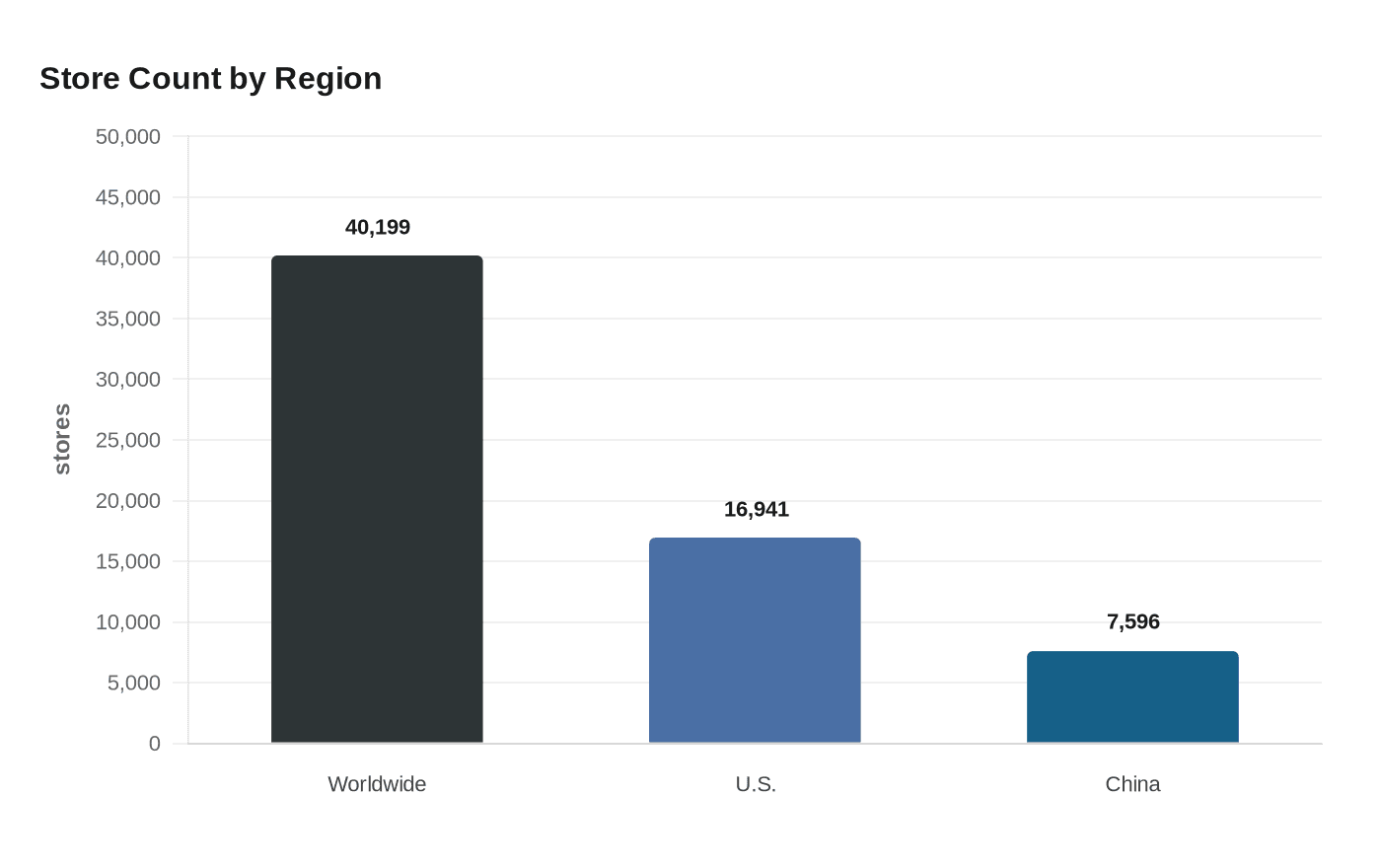
The stakes are easier to see in the company’s own numbers. Starbucks ended fiscal 2024 with 40,199 stores worldwide, including 16,941 in the U.S. and 7,596 in China. It said GAAP operating margin contracted in part because of investments in store partner wages and benefits, even as management described customer experience as challenged and said it was developing a plan to get back to Starbucks. The company has also framed itself as a place that wants to be the best job in retail, pointing to healthcare, equity, paid family leave, and the ability to earn a degree with 100% tuition paid upfront.
The broader message is clear: Starbucks is treating labor, service standards, and store design as one system. Whether partners on the floor feel that system gives them enough labor and stability to run the store well is still the question that matters most.
This article was produced by Prism’s automated news system from verified source data, official records, and press releases, then run through automated quality and moderation checks before publishing. The system is built and supervised by the people who set the standards it runs under. Read our full AI policy.
Know something we missed? Have a correction or additional information?
Submit a Tip