Starbucks says staffing model matches hours to demand, boosts stability
Starbucks says schedules are built three weeks out and in 15-minute increments, but workers still face the same old strain: thin staffing when demand spikes.
Starbucks says its scheduling system is meant to do more than fill a weekly grid. Store leaders are supposed to set schedules three weeks in advance, balance store needs with partner preferences, and make adjustments for unplanned events, while assigning hours in 15-minute increments so labor better matches demand.
The company has also tried to distance its model from a simple sales formula. In May 2024, Starbucks said hours per store are not just earned from last year’s sales, and that it had updated Starbucks Partner Hours to capture hourly partners’ preferred average hours per week. The company said newer forecasting tools were built to support a more dynamic staffing model, with promotion calendars, product launches and local demand all feeding into the schedule.
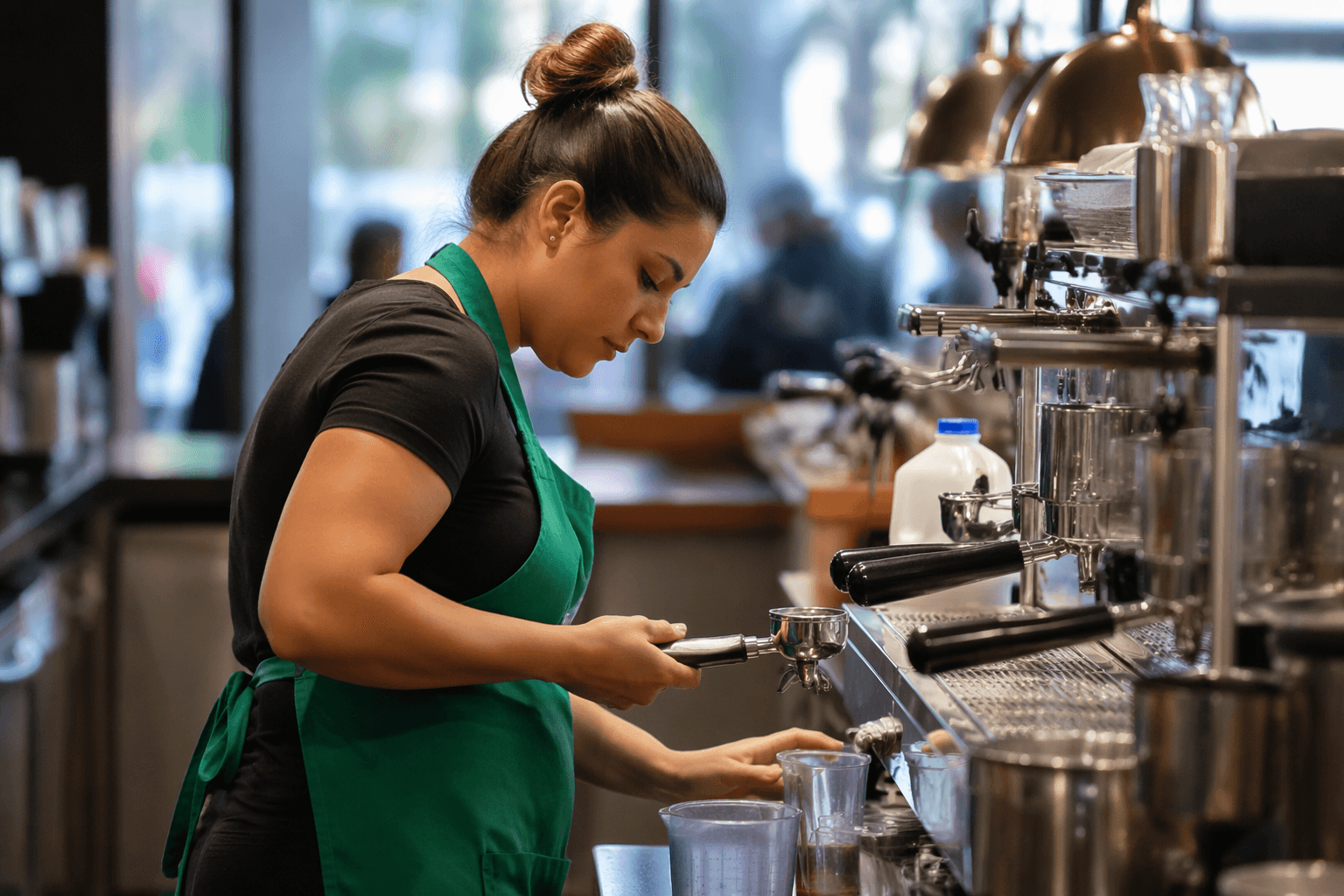
Starbucks has framed that approach as a way to create more stability and consistency for workers. In 2025, the company said 85% of partners were getting the hours they prefer and that shifts were more consistent than ever. That claim matters on the floor, where baristas and shift supervisors are trying to read a schedule that can change from one busy season to the next and still has to cover drive-thru spikes, mobile orders and surprise rushes.
The tension is that the company’s own logic still leaves room for human discretion. A manager can have the data, the forecast and the three-week planning window, but still has to decide how to weigh partner preferences against peak periods, callouts and uneven traffic across dayparts. That is where inconsistency can creep in, especially when workers say understaffing is leading to long waits, unfinished orders and lost sales.
Starbucks has linked the scheduling push to a broader operations reset. The company said it had invested more than $500 million in partners and coffeehouses as part of Back to Starbucks, with those dollars improving staffing and scheduling, leadership stability and service standards. It also launched Siren Craft System in 2024 as a partner-driven operating change meant to improve both the partner experience and customer wait times, after acknowledging that some partners had felt overburdened during the busiest times.
That leaves scheduling at the center of Starbucks’ labor story. The company says it wants data-driven staffing that matches local demand and busy moments while accommodating partner needs, a pitch that echoes the predictability goals behind New York City’s Fair Workweek law. For Starbucks Workers United and the hourly workers organizing around it, the real test is whether the store-level schedule feels stable on paper and fair in practice.
This article was produced by Prism’s automated news system from verified source data, official records, and press releases, then run through automated quality and moderation checks before publishing. The system is built and supervised by the people who set the standards it runs under. Read our full AI policy.
Know something we missed? Have a correction or additional information?
Submit a Tip