Starbucks supply glitches and fragmented vendors cause store shortages
Less than 33% of deliveries were on time and complete in early 2024, turning AI glitches and scattered vendors into shortages baristas felt at the counter.
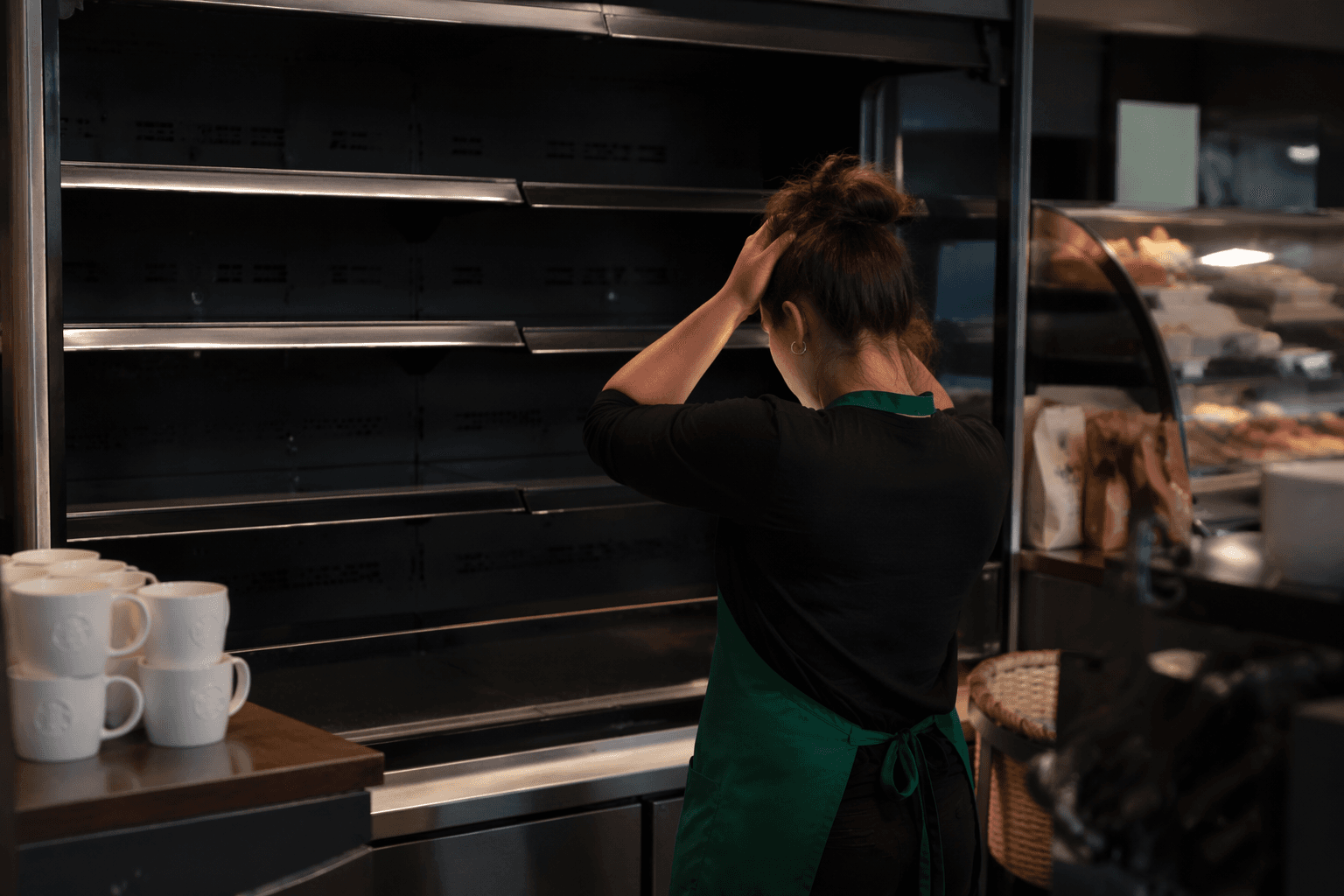
Starbucks scrapped its AI inventory tool across North America after shortages and bad counts kept store stock unreliable, then moved to a single, consistent process across all inventory counts. The change came after sandwich shortages, inconsistent deliveries and vendor fragmentation kept showing up where baristas and shift supervisors felt it most: in missing food, substitutions and guest complaints.
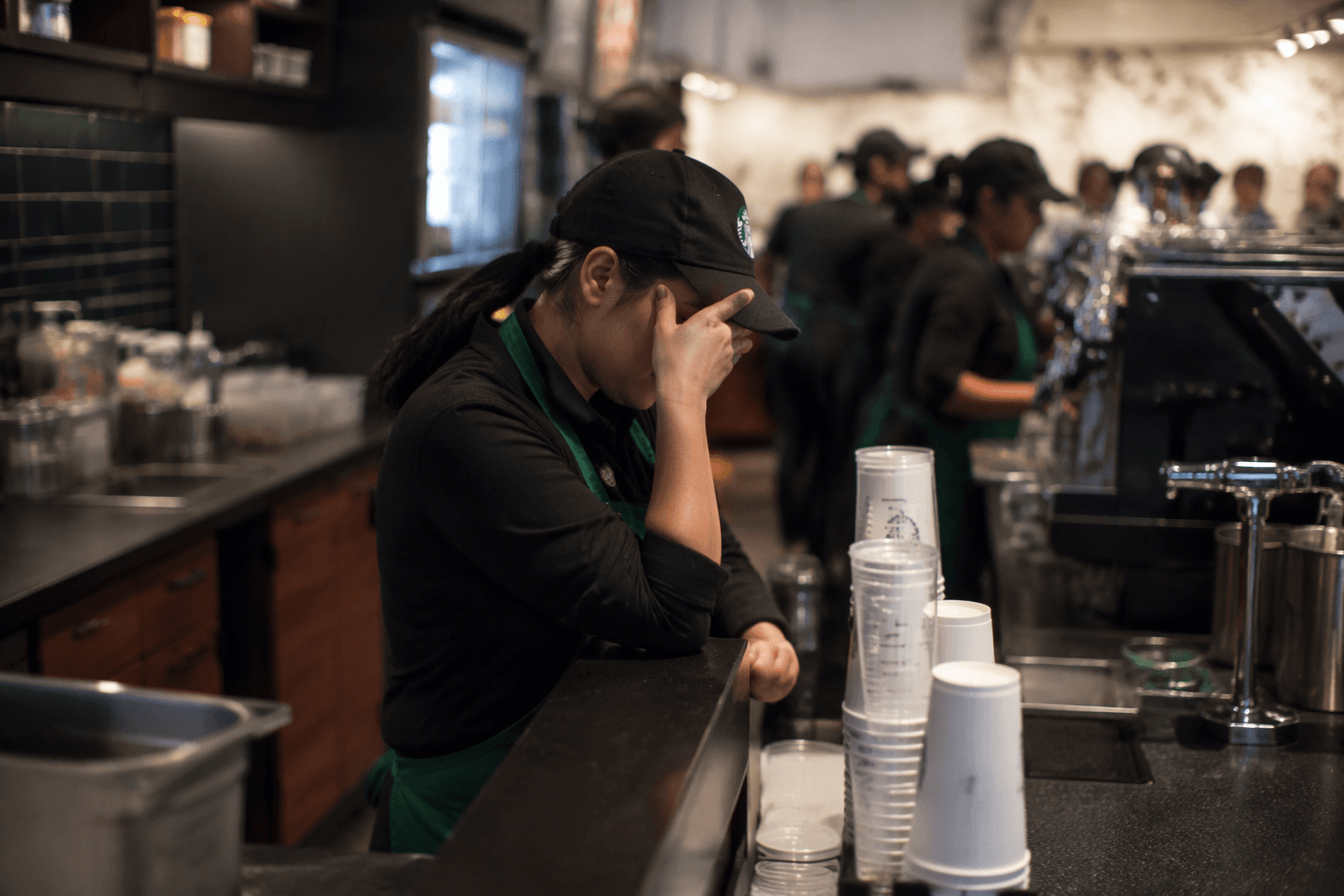
A Reuters investigation on Jan. 27, 2026 tied Starbucks’ supply struggles to AI glitches, scattered suppliers and sandwich shortages. A summary of that reporting said the chain was also dealing with outdated technology and fragmented vendors, with less than 33% of deliveries on time and complete in early 2024. For store teams, that kind of reliability problem turns a late truck into a breakfast rush problem, because partners still have to explain why items are out, reset expectations at the counter and keep mobile orders moving when product is gone.
The same vendor dependence showed up outside food. On Nov. 25, 2024, Reuters reported that the aftermath of a ransomware attack on a software supplier was affecting Starbucks’ ability to pay baristas and manage their schedules. That is the part of the story workers notice quickly: outside systems can reach all the way into payroll, shift planning and the labor needed to cover a store when stock, software and demand do not line up.
The strain has also landed against a tougher sales backdrop. Starbucks cut its sales view on Jan. 30, 2024 and warned of weak second-quarter performance, then said on Apr. 30, 2024 that global comparable sales fell 4%, worse than the 1.44% rise analysts had expected. By June 6, 2024, the company was leaning harder on delivery, saying its U.S. delivery business had posted double-digit growth in the prior quarter after partnering with Grubhub. That mix of weaker traffic, shifting channels and erratic supply leaves less room for error on the floor, where baristas still have to field the complaint when the sandwich case is empty or the morning order screen does not match what arrived.
For Starbucks Workers United members and other partners, the pattern matters because shortages are not just an operations problem. They add time, frustration and extra customer-facing work to already packed shifts, while vendor failures and software glitches keep pushing the burden down to the store level.
This article was produced by Prism’s automated news system from verified source data, official records, and press releases, then run through automated quality and moderation checks before publishing. The system is built and supervised by the people who set the standards it runs under. Read our full AI policy.
Did this article answer your question?