Starbucks turnaround raises pressure on baristas and customers alike
Starbucks wants faster, friendlier stores, but the reset adds more work to every handoff. Baristas are feeling the squeeze from tighter timing, complex drinks and higher service expectations.
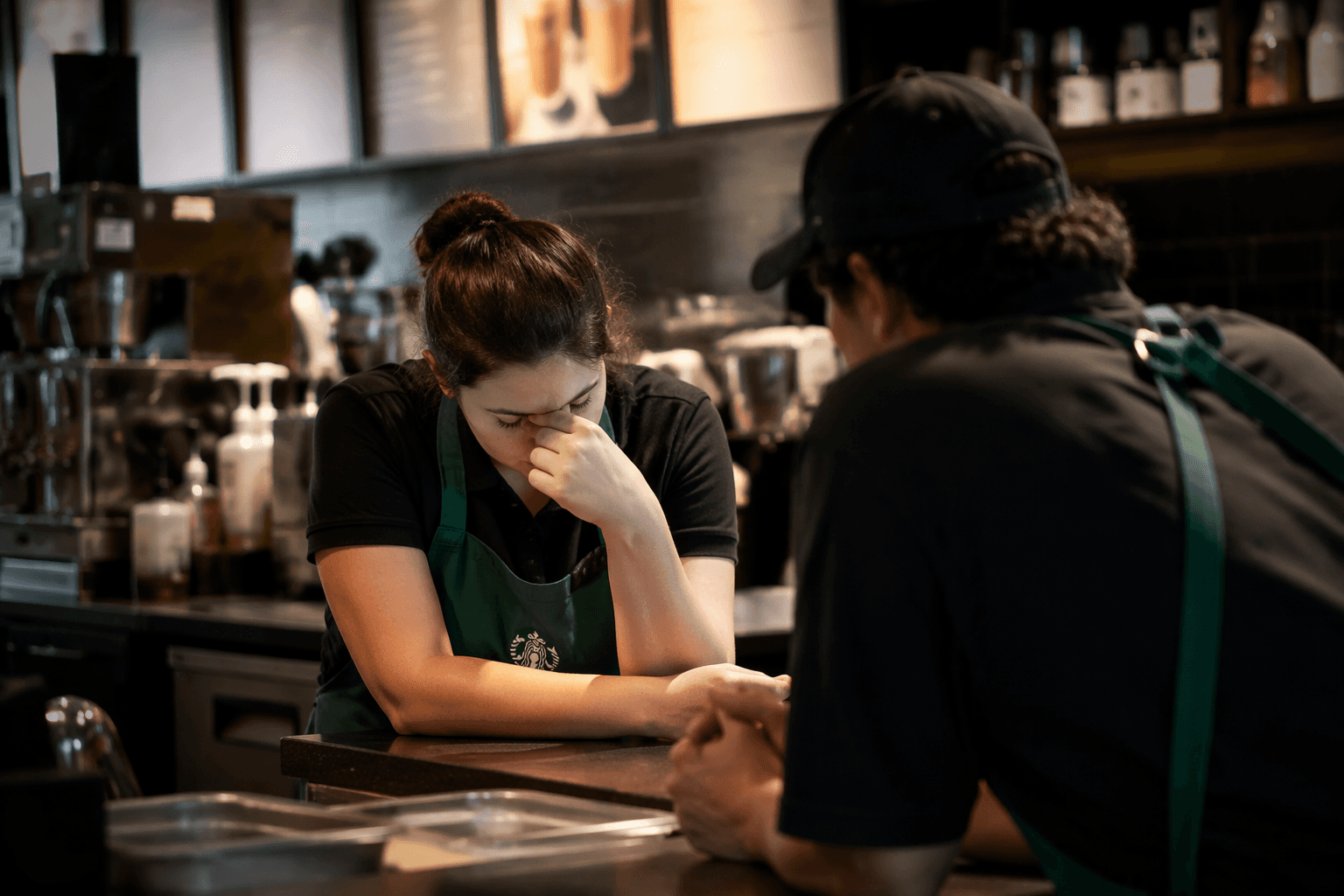
The Strawberry Matcha Strato Frappuccino requires six ingredients, a lot to juggle when Starbucks is trying to make stores feel faster, friendlier and more consistent. On the floor, that reset packs more tasks into the same handoff window. Baristas are being asked to move drinks, greetings, mug offers and cup messages through a tighter clock while mobile orders and custom builds keep stacking up.
What looks like a simple coffee in the app can still take several minutes to produce in a crowded store, especially when service standards are layered on top of a heavy order stream.
Speed is now part of the hospitality script
The company’s turnaround has leaned hard into “faster service and warmer vibes,” with more emphasis on the feel of the cafe as well as the pace of production. Workers are asking guests whether drinks are for here or to go, offering ceramic mugs to customers who want to stay, and paying closer attention to presentation, including topping macchiatos more carefully.
Under the newer rules, baristas are also expected to greet customers, make eye contact when handing over drinks and write genuine messages on cups, a combination that still has to move quickly.
For shift supervisors, that changes how a rush is managed. Service standards are now tied directly to throughput, so the bar has to keep moving even while partners are trying to hold eye contact, remember names and keep up with a handwritten-note expectation that adds seconds to every order.
Complicated drinks hit hardest when the line is long
The menu is part of the problem.
Once a drink lands on a crowded bar, every layer of the build matters: sequencing the blender, matching the cold-foam or topping steps, and trying not to slow the whole handoff queue behind it.
Starbucks is also trying to tackle the mobile-order bottleneck with a new algorithm that gives in-person customers priority. That can help the front counter feel more balanced, but it also changes the way baristas have to think about order flow, because the people standing in line, the people in the drive-thru and the people who tapped “order ahead” are all competing for the same labor.
Fewer hands on bar makes every standard harder to hit
The staffing side of the story is just as important as the menu side. In some stores that once had five people making iced macchiatos and double-shot espressos, workers and managers say there are now only three or four preparing drinks, which means the same volume gets spread across fewer partners.
If a store is short staffed, the promise of four minutes or less from order to drink in hand, the goal Brian Niccol has been pushing through the Green Apron Service model, becomes much harder to deliver without dropping something else: speed, accuracy, warmth or cleanliness.
Niccol has tried to frame the reset as progress, telling Wall Street analysts, “We’re pleased with our progress, and we believe we remain ahead of schedule, and we’re confident on our path forward.”
Pay, tips and bargaining are part of the same pressure
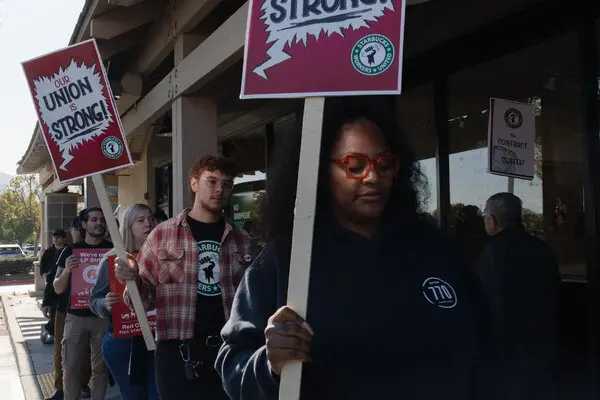
The turnaround is also playing out against a labor backdrop in which Starbucks Workers United has kept pressing on wages, staffing and protections, saying workers are understaffed, struggling to get by and lacking critical on-the-job protection.
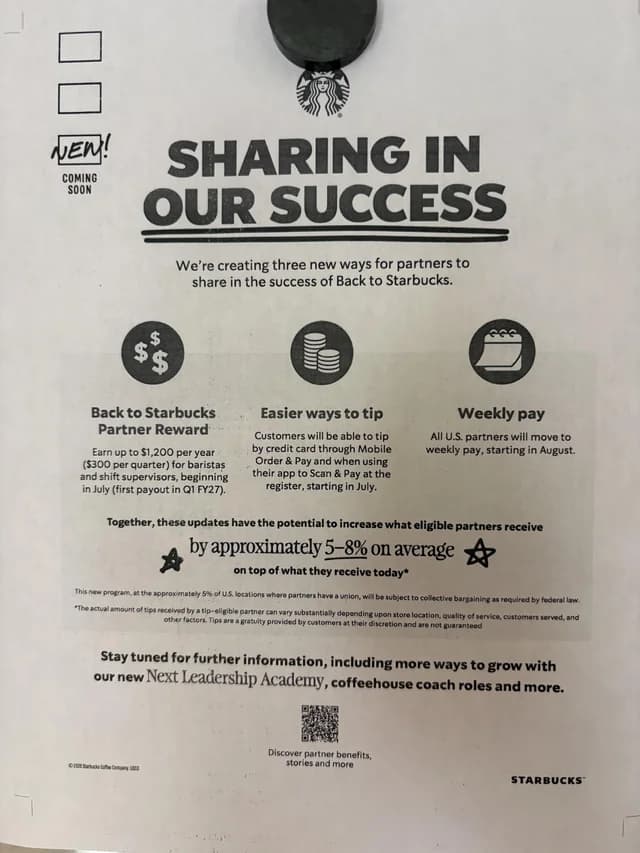
The union says Starbucks wages start at $15.25 or $16 an hour in 43 states. Starbucks is also adding new ways for baristas to earn more, including tipping options for mobile orders and bonuses tied to store performance, but those changes do not remove the pressure of thin staffing or a packed ticket rail.
Workers United has kept pushing for better terms, and the union has moved toward strike action in stalled talks.
What the turnaround means for managers and supervisors
For store managers, the reset is a reminder that throughput goals can backfire if they are disconnected from labor reality. A cafe can be told to feel more premium and more welcoming, but that only works if the staffing model gives partners enough room to actually greet people, make eye contact, top drinks properly and still keep the line moving.
This article was produced by Prism’s automated news system from verified source data, official records, and press releases, then run through automated quality and moderation checks before publishing. The system is built and supervised by the people who set the standards it runs under. Read our full AI policy.
Did this article answer your question?