Starbucks union path runs from election to bargaining and contract talks
A Starbucks union win opens the bargaining door, but pay, schedules and discipline do not change until a contract is won. At Buffalo, that gap has already stretched for years.
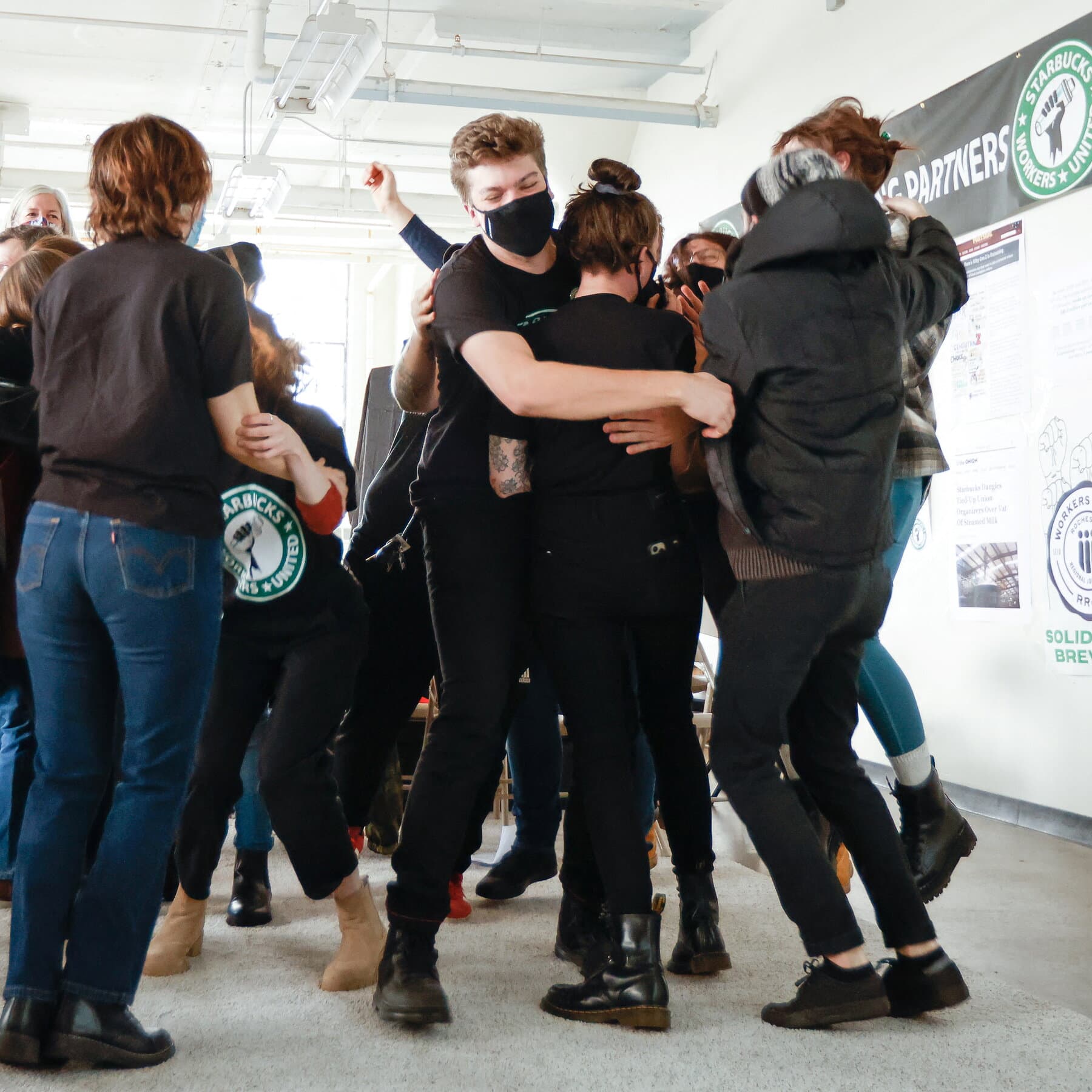
In December 2021, workers at a Starbucks store in Buffalo, New York, voted to unionize, setting off the modern organizing wave at the chain. A union vote gives workers a legal seat at the table, but it does not rewrite your schedule, your pay rate or your discipline policy overnight. The National Labor Relations Board starts the process when at least 30% of workers sign cards or a petition, then holds an election, and a majority of votes can certify the union as the bargaining representative. At Starbucks, the real fight has been getting from recognition to a first contract.
How a store gets to an election
The NLRB process is more mechanical than most workers realize. If at least 30% of employees in the unit sign cards or a petition showing they want a union, the board will run a secret-ballot election, and the process can also begin through an RC, RD or RM petition depending on who files and why. Workers can also win representation through voluntary recognition, which means the employer agrees to the union without a vote. Once the union is certified or recognized, the company must bargain over terms and conditions of employment.
That is what the process does. It does not, by itself, raise base pay, lock in better hours or change your manager’s discipline playbook. Until a contract is reached, Starbucks still runs the store under its existing rules.
What an election changes, and what it does not
A yes vote changes your legal status. It gives workers a bargaining representative, forces the company to sit across the table and turns store issues into union issues instead of individual complaints. At Starbucks, that matters for the questions baristas care about most: wages, staffing, scheduling, hours guarantees and protections on the floor.
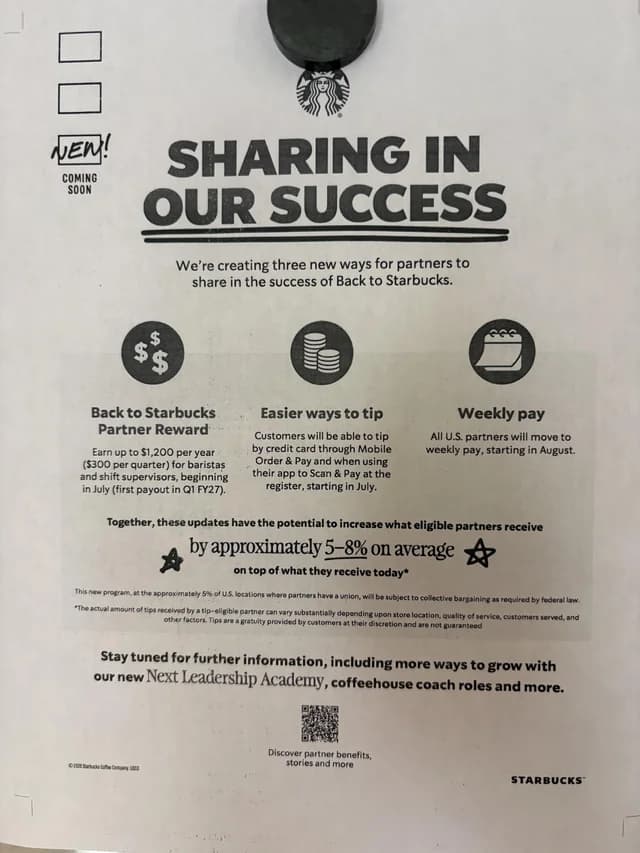
A yes vote does not instantly change those things. Pay raises, tip arrangements, benefit eligibility and discipline remain under the existing system until a negotiated agreement says otherwise. If a manager cuts hours or writes someone up after an election, the union can challenge that through bargaining or through unfair labor practice charges, but the election itself does not create a new rulebook.
Why Starbucks has been stuck in the long middle
Starbucks was not union-free historically: United Food and Commercial Workers represented workers at six Seattle-area stores in the 1980s. The Buffalo win was still the spark for the current wave, and the scale has grown fast since then.
By October 2024, Starbucks Workers United said 500 U.S. locations had voted to unionize. At that point, the union represented more than 11,000 baristas, and a later Center for American Progress fact sheet put the total at 655 stores and more than 14,000 workers across 45 states plus the District of Columbia. One of the milestone stores was in Bellingham, Washington, which the company and union counted as the 500th location to join.
The bargaining process has lagged behind that growth. The first bargaining session did not happen until April 2024, more than two years after the first modern election. About 150 bargaining delegates attended in person in Atlanta that month, and another 250 joined virtually, representing more than 425 certified stores that were participating in talks. Starbucks and Workers United were negotiating a framework agreement for collective bargaining contracts, with Starbucks CEO Brian Niccol saying the company was committed to bargaining in good faith.
Where the friction points have been
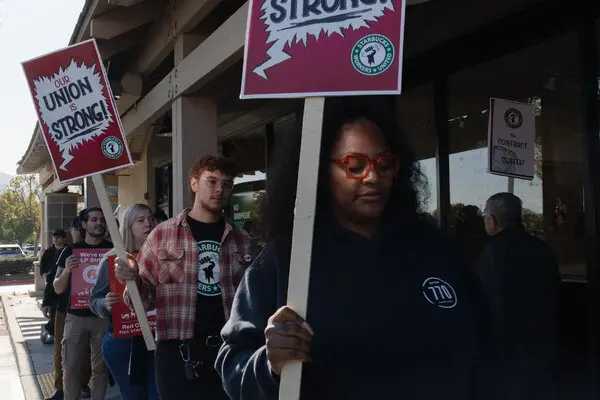
The biggest friction has been over the basics: pay, hours and scheduling. Starbucks Workers United says the company and union reached a path forward in February 2024 to work toward a foundational framework and resolve litigation, but the talks then moved into a long period of conflict. In December 2024, the union filed a major unfair labor practice charge alleging bad-faith bargaining, and more than 5,000 baristas participated in the “Strike Before Christmas.”
Starbucks Workers United says more than 90 new federal unfair labor practice charges were filed in January 2025. In April 2025, more than 500 union delegates rejected a foundational framework package, which showed that even the union side was not ready to accept a deal that did not meet its floor on wages, hours and protections. Then, on Nov. 13, 2025, the nationwide Red Cup Rebellion began after six months without new company proposals on pay, hours or scheduling.
What to watch if your store is organizing or already union
For a Starbucks worker, the roadmap is straightforward.
- If 30% of the unit signs cards or a petition, the NLRB can run an election.
- If a majority of those voting choose the union, the board certifies it, or the employer can voluntarily recognize it.
- Once the union is certified, the company must bargain over wages, hours, staffing and other terms and conditions of employment.
- Your current pay, schedule system, discipline process and benefits stay in place until bargaining changes them.
- If talks stall, unfair labor practice charges and strike pressure become part of the fight.
This article was produced by Prism’s automated news system from verified source data, official records, and press releases, then run through automated quality and moderation checks before publishing. The system is built and supervised by the people who set the standards it runs under. Read our full AI policy.
Did this article answer your question?