Starbucks workers can face widely different minimum wages by location
Starbucks pay is not one national number. A barista’s legal wage floor can change by city, and the company’s own pay claims only make sense when you compare them locally.
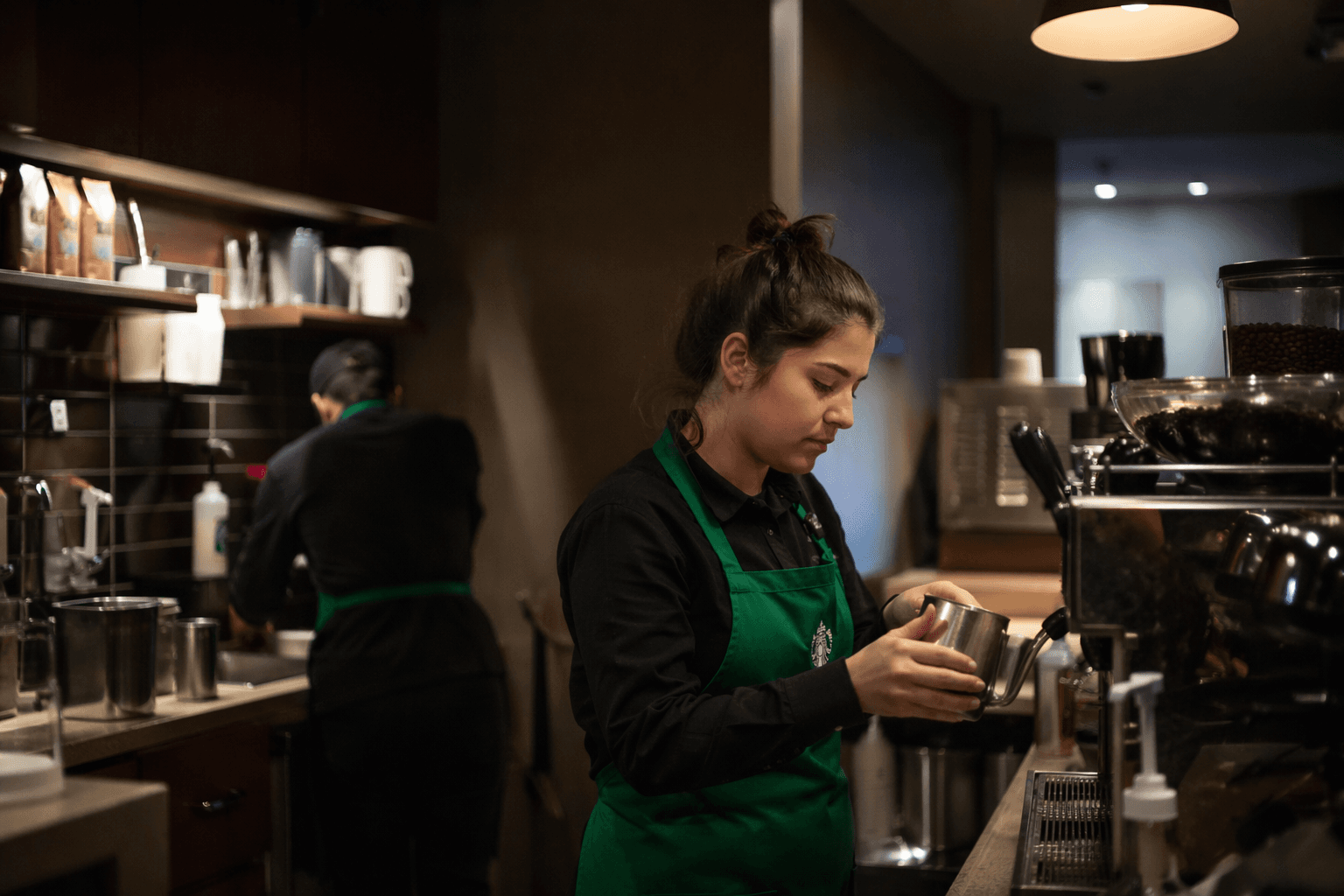
A Starbucks barista can do the same work, wear the same apron, and still operate under a very different legal wage floor depending on where the store sits. That is the hidden value of the U.S. Department of Labor’s minimum wage page: it turns a national payroll conversation into a local one, and for Starbucks workers that distinction can mean real money.
Why the federal floor is only the starting point
The federal minimum wage for covered nonexempt employees remains $7.25 an hour, effective July 24, 2009. But that number is not the finish line. When both federal and state minimum wage laws apply, workers are entitled to the higher minimum wage, and the Labor Department says many states, counties and cities set their own higher wage floors, sometimes with annual increases and regional variations.
The department’s consolidated minimum wage table also makes another point that Starbucks workers should not miss: some states use tiered or alternative rates, including subminimum rates for minors, students or training wages for new hires. On top of that, some local governments set minimum wages above state law, even though those local differences are not captured in the table. That means the legal floor for a newly hired barista can look very different from one store to another, even before Starbucks’s own pay structure enters the picture.
What that means for Starbucks partners on the floor
For a company with stores in nearly every kind of labor market, “starting pay” is not a single national number. A posting that looks comparable on paper can play out very differently once local minimum wage, overtime rules and tip laws are factored in. That matters whether you are applying for your first store job, moving up to shift supervisor or transferring across state lines.
The practical takeaway is simple: always check the local rule, not just the federal baseline. A partner comparing offers should ask what wage floor applies to that exact store, whether a city or county minimum is higher than the state standard, and whether a scheduled increase is already set for a later date. A manager posting schedules or updating hiring pay should be doing the same check before a job offer goes out or payroll gets finalized.
How Starbucks describes its pay package
Starbucks has long argued that its labor costs are higher than those of many peers because it has invested heavily in pay and benefits over many years. In public materials, the company has said its U.S. hourly retail partners earn an average of over $18 per hour, with barista wages ranging from $15.25 to $26 per hour. In another update, Starbucks said the average pay for hourly partners is now over $19, and that the average total value of pay and benefits for hourly partners is about $30 per hour.
Those numbers matter, but only if workers read them against the local wage floor underneath them. A companywide average can still mask steep geographic differences, especially in places where state or city law already pushes the legal minimum far above the federal level. For workers, that means a Starbucks offer should be judged not just against the company’s national messaging, but against the wage floor in the city where the store actually operates.
Why this is part of the union fight, not just payroll math
The wage gap is also part of the broader Starbucks labor story. Workers United has said wages are a central driver of the organizing wave, and Starbucks has acknowledged that pay and benefits are a major part of bargaining. In late 2024, Starbucks said Workers United proposals called for an immediate 64% increase in the minimum wage of hourly partners and a 77% increase over the life of a three-year contract.
By 2025, Starbucks said it had more than 30 tentative agreements in bargaining and continued to describe its total compensation package as one of the strongest in retail. The company also said it had invested more than $500 million in partners and coffeehouses through its Back to Starbucks transformation plan. For workers on the floor, that combination of claims and counterclaims matters because bargaining is where the company’s pay story gets tested against the realities of rent, transportation and local wage law.
How to use the wage floor before you accept the job, the transfer or the extra shift
- Check the state minimum wage first, then see whether your city or county has a higher floor.
- Confirm whether your store is covered by a local rate that rises on a set schedule.
- Ask how overtime and tip rules affect your actual take-home pay, not just the posted starting rate.
- If you are transferring, compare the legal floor in the new location with the one you leave behind.
- If you are a manager, verify the wage floor before posting the role or locking in a schedule.
That habit is especially important at Starbucks, where the same title can sit inside very different labor markets. A barista in one city may be earning under one local wage structure while a peer in another state is protected by a higher floor, even if both stores carry the same brand and the same menu.
The deeper point is that Starbucks’s pay story cannot be reduced to a single headline number. The company’s own claims about average pay, the Labor Department’s rule that workers get the higher of federal or state law, and the union’s push for bigger wage gains all point to the same reality: at Starbucks, pay transparency starts with geography.
This article was produced by Prism’s automated news system from verified source data, official records, and press releases, then run through automated quality and moderation checks before publishing. The system is built and supervised by the people who set the standards it runs under. Read our full AI policy.
Did this article answer your question?