AI changes at Taco Bell raise mental health and manager support concerns
Taco Bell’s AI push is already inside more than 100 drive-thrus, and workers may feel the strain first when managers have to explain every new system.
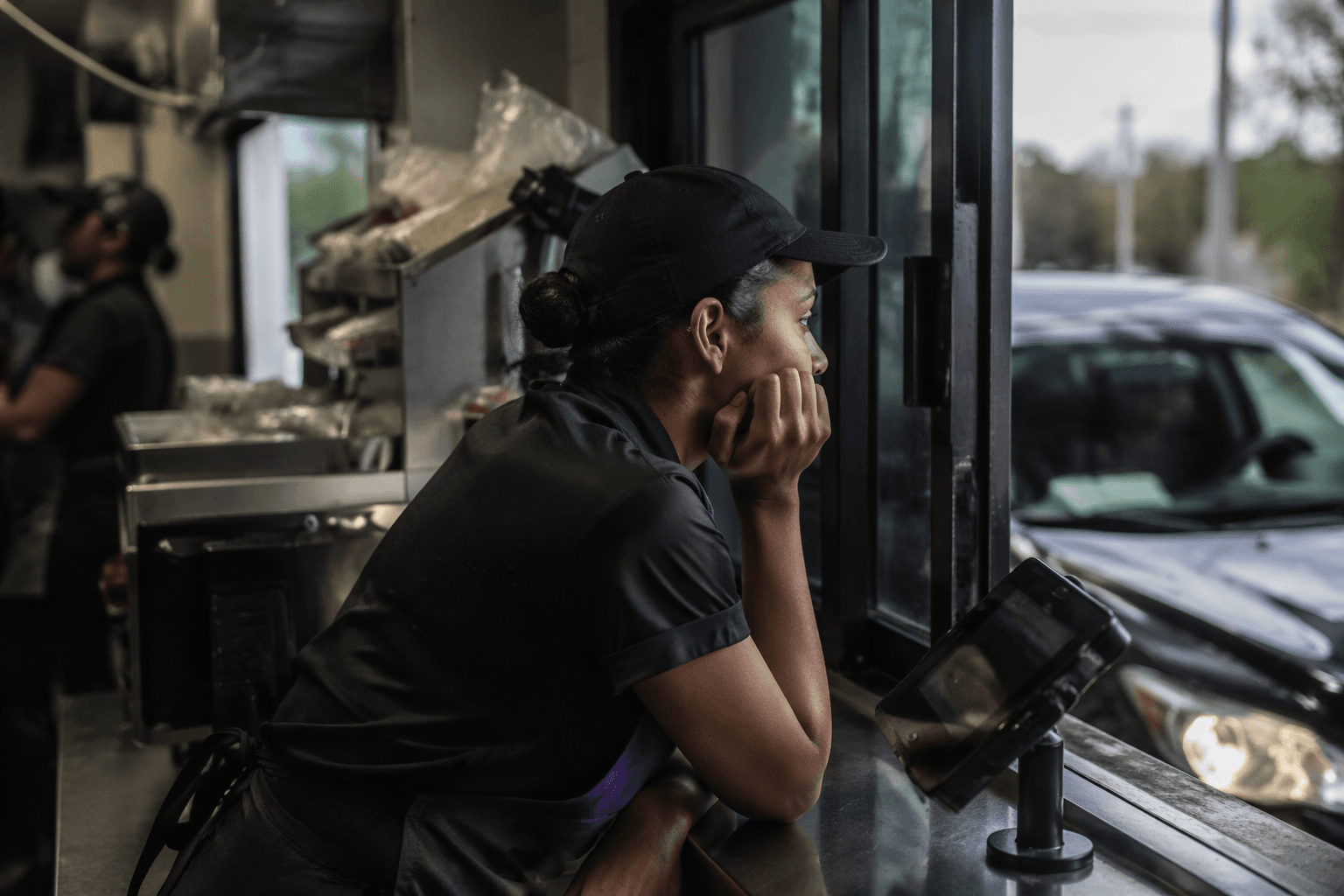
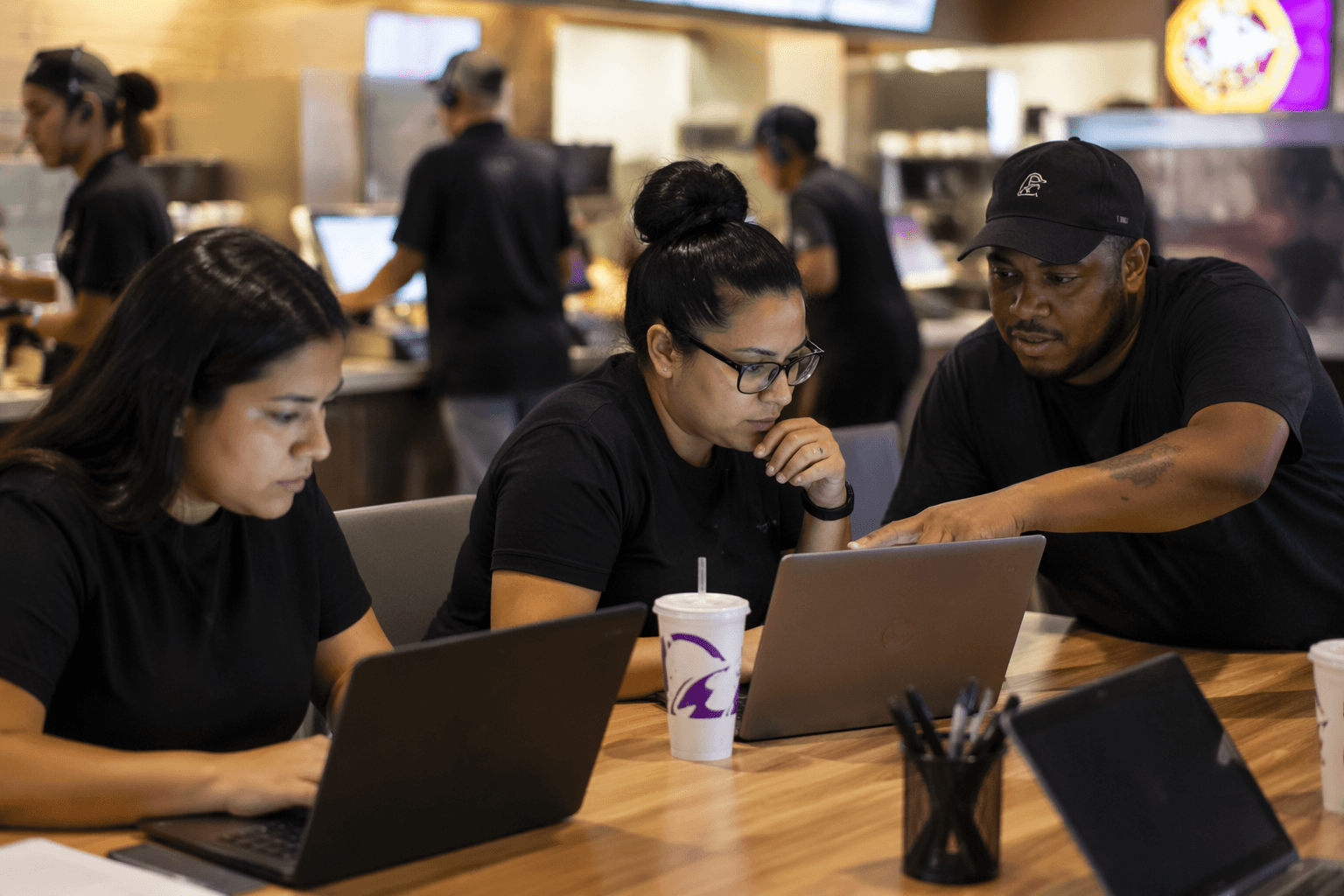
Taco Bell’s expanding use of Voice AI is putting new pressure on the people who run its stores, from crew members trying to keep pace with changing routines to shift managers who are often the first to hear when a tool feels disruptive or unfair.
Headspace said in its 2026 Workforce State of Mind research that employees are facing a chronic strain crisis tied in part to the pressure to keep up with AI. In a restaurant, that strain can show up as uncertainty about new systems, anxiety over whether schedules or tasks will be reassigned, and frustration when software does not match the realities of a rush, a late-night close or a busy drive-thru line. The biggest risk is not the technology itself, but whether store leaders are ready to explain it, train for it and keep final judgment in human hands.

The pressure is especially relevant at Taco Bell because Yum! Brands has already moved Voice AI into the chain’s drive-thrus. On July 31, 2024, Yum! said the rollout would expand across Taco Bell drive-thru locations in the United States, with hundreds of stores targeted by the end of 2024. At the time, the technology was already in more than 100 Taco Bell drive-thrus across 13 states, and Yum! said the goal was to improve the experience for both consumers and restaurant team members.

That rollout has also become part of Taco Bell’s larger growth pitch. In 2025, the company unveiled R.I.N.G. The Bell, its business plan centered on being relentlessly innovative. Taco Bell said it reached $1 billion in operating profit in 2024 and aimed to drive double the innovation in 2025. For workers, that means the pace of change is not slowing, even as stores are still adapting to the last round of tech experiments.
There is history behind the hesitation. Taco Bell’s AI drive-thru tests drew customer complaints, glitches and viral trolling in 2024 and 2025, and the company later said it had tested AI at more than 500 locations and processed more than two million AI orders while reassessing where the technology made the most sense. The signal to employees is clear: the company is still learning what works, which can make each new rollout feel like another round of retraining before the last one has settled.
Taco Bell’s own people systems show how much the brand is leaning on managers to absorb the change. Corporate employees can call the Speak Up Helpline at (844) 418-4423, while franchise employees are directed to their franchise office or HR team. Yum! says employees work with a coach on an Individual Development Plan as part of its Building People Capability cycle. Taco Bell also said in 2025 that 67% of restaurant leadership roles at company-owned restaurants were filled through internal promotion, team member retention improved by 17% year over year, and general manager vacancy fell by 27%.
Those numbers suggest a company trying to build stronger leadership benches at the same time it pushes more technology into stores. The test now is whether Taco Bell’s manager support can move as fast as its AI rollout, because the first signs of burnout will not come from a dashboard. They will show up in callouts, turnover, safety mistakes and the conversations crew members have with the manager standing closest to the line.
This article was produced by Prism’s automated news system from verified source data, official records, and press releases, then run through automated quality and moderation checks before publishing. The system is built and supervised by the people who set the standards it runs under. Read our full AI policy.
Did this article answer your question?