AI could widen Taco Bell's workforce skills gap, report warns
Taco Bell’s AI tools are already handling drive-thrus, ordering and labor systems, and the bigger risk now is which workers can keep up.
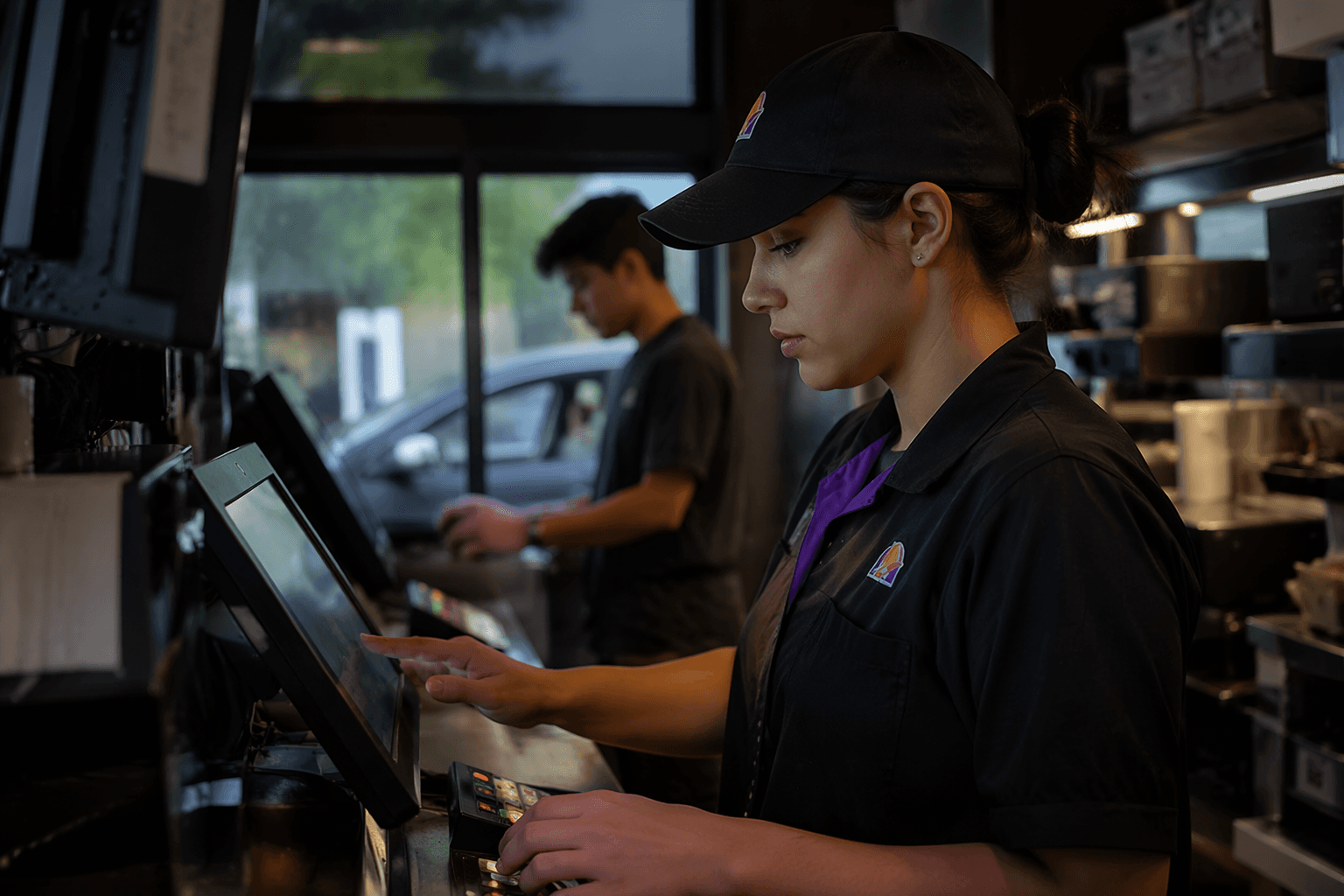
Taco Bell’s drive-thru voice AI has already processed more than 2 million orders, and the next problem for crews is not a robot takeover so much as a skills gap on the floor. A Fast Break audio roundup from Food Institute on May 27 warned that AI could widen the divide between the skills workers have and the jobs that are growing, with demographic shifts and AI-driven change pushing unemployment toward 8% if employers and workers do not adapt.
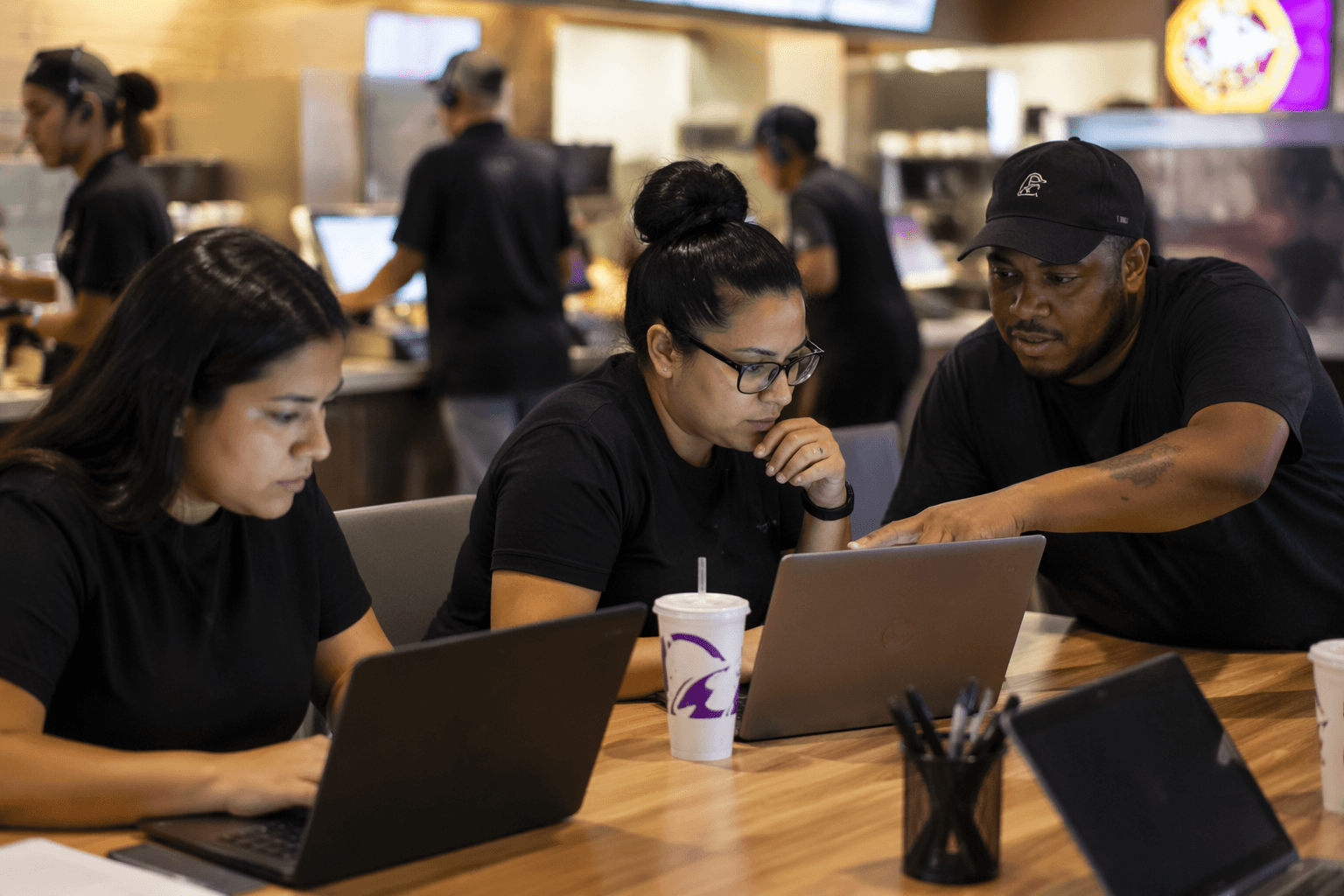
For Taco Bell, that warning lands in the middle of everyday store work. Crew members are already dealing with kiosks, app orders, digital deals, order verification and systems that shape labor scheduling and workflow. The practical question for shift leads is no longer just whether an order is made correctly, but whether the team can keep the line moving when mobile, drive-thru and in-person traffic hit at once. That means more coaching on troubleshooting screens, reading digital tickets and understanding how software changes the pace of the shift.

Yum! Brands has been moving in that direction for months. In July 2024, the company said Taco Bell’s voice AI was already in more than 100 U.S. drive-thrus across 13 states and would expand to hundreds of stores by the end of 2024. In February 2025, Yum! launched Byte by Yum!, an AI-driven restaurant technology platform that pulls together online and mobile ordering, point of sale, kitchen and delivery optimization, menu management, inventory and labor management, and team-member tools. For Taco Bell workers, that means the software side of the job is becoming more visible, not less.
Taco Bell has also been building around digital service for years. The chain says it was the first QSR to launch a mobile app in U.S. restaurants for both drive-thru and dining orders, and it opened a digital-forward Go Mobile concept in El Paso, Texas, in 2023. Yum! also extended Digital & Technology apprenticeships to some restaurant team members through the Yum! Reskilling Academy, a 12- to 15-month program built around on-the-job experience, virtual skills training and a peer community. That is a signal that the company sees reskilling as part of the job, not an optional add-on.
The labor backdrop makes the stakes clearer. The U.S. Bureau of Labor Statistics projects total U.S. employment will grow 3.1% from 2024 to 2034, while food and beverage serving and related workers are expected to grow 5%, with about 1,159,600 openings a year on average. Restaurants still need people, but Taco Bell’s edge will go to crews who can handle food, software and customer flow at the same time. In the near term, the workforce gap is not about whether AI replaces the counter. It is about who learns the new tools fast enough to stay effective on it.
This article was produced by Prism’s automated news system from verified source data, official records, and press releases, then run through automated quality and moderation checks before publishing. The system is built and supervised by the people who set the standards it runs under. Read our full AI policy.
Did this article answer your question?