Beverage upgrades are reshaping quick-service shifts at Taco Bell and beyond
Taco Bell’s drink push is about more than menu buzz. It can bring in more traffic, but it also adds training, equipment and speed pressure to already busy shifts.

The beverage push is really a labor story
A new drink platform can look like easy growth from the dining room, but on the floor it often means more steps, more equipment checks and more pressure to keep cars moving. In quick service, beverages are no longer just add-ons at the end of a meal; they are being used to pull in morning traffic, lift ticket size and create repeat visits, which pushes more work onto crews during the busiest parts of the day.
That is the core issue for Taco Bell workers watching the category expand. When a chain adds specialty drinks, the shift does not just get busier in one lane. Fountain stations, prep counters and drive-thru handoff all have to stay synchronized, and that matters most when the line is already stretched. If the beverage offer grows without enough training or equipment capacity, speed falls to the same people who are already being asked to sell, assemble and troubleshoot in real time.
Why Taco Bell is leaning harder into drinks
Taco Bell has made its beverage ambitions unusually explicit. The company said it was launching Refrescas nationwide and expanding Live Más Café by 30 more locations across Southern California and Texas by fall 2025. It also said it wants beverages to reach $5 billion in system sales by 2030, which makes clear that drinks are not a side business, but a major growth pillar.
The Live Más Café concept is the clearest sign of how far that strategy has gone. Taco Bell says the café format offers 20-plus drinks, including Churro Chillers, Refrescas, and iced and blended coffees, and those beverages are only available at Taco Bell locations with the café concept. That creates a more complicated operating model than a standard menu board, because the company is not simply adding a single new item. It is building a separate beverage experience that has to be taught, stocked and executed consistently.
For crews, that means beverage innovation can change the shape of a daypart. Morning traffic becomes more important, add-on sales matter more, and the beverage station becomes a bigger part of throughput. For shift managers, the challenge is less about selling the concept and more about whether the store can absorb the extra labor at peak without slowing the line or breaking consistency.
What the shift feels like for crews and managers
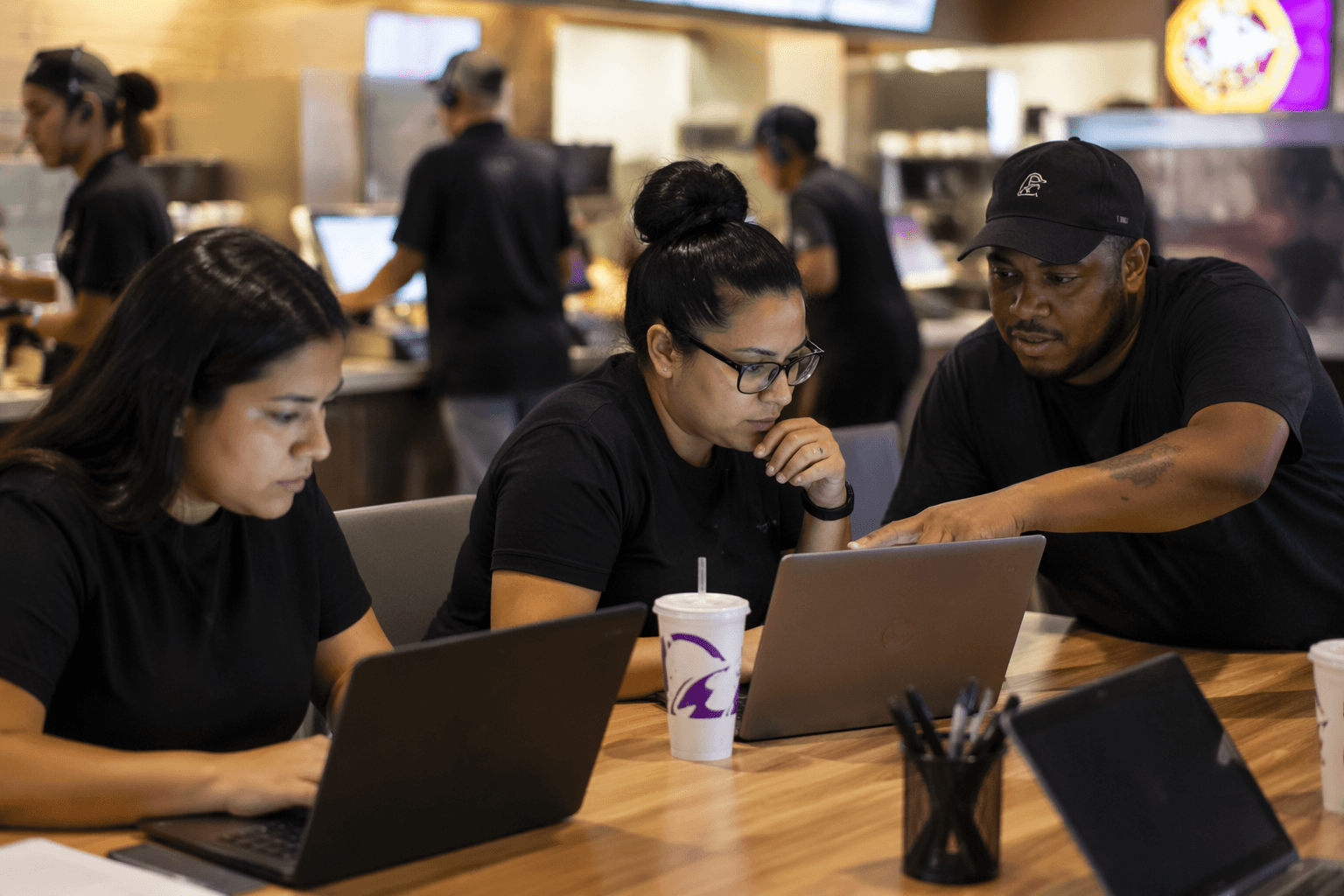
On the floor, a beverage expansion usually shows up as more motion and more decision-making. A team member has to remember recipes, handle frozen or blended equipment, manage ice and cups, and still keep pace with drive-thru orders. That is especially hard in a drive-thru-heavy Taco Bell where speed is part of the brand promise and a drink mistake can hold up the whole order.
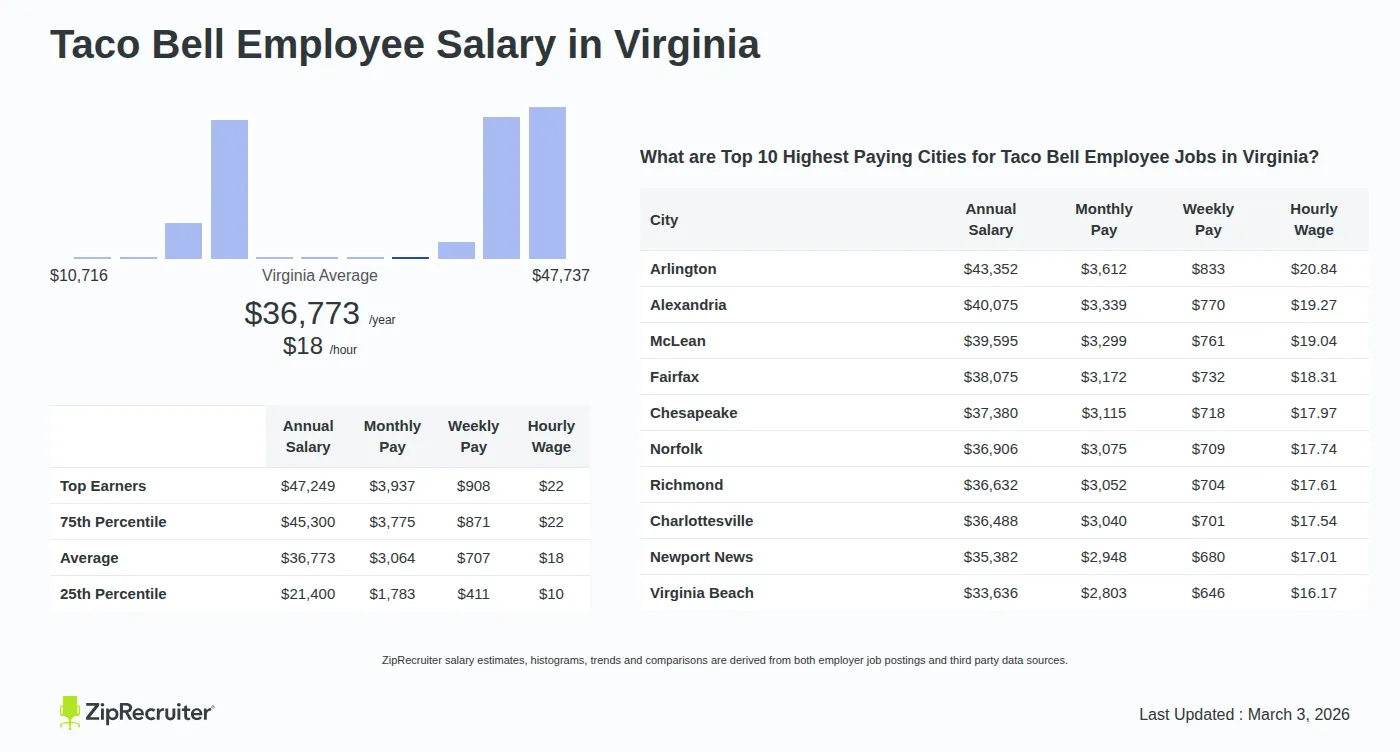
The practical stakes are broader than one slow handoff. More complex beverages can alter staffing patterns, especially if the store is already thinly staffed or juggling multiple dayparts. They can also expose a familiar tension in fast food: corporate strategy may emphasize growth, but franchise and field teams have to absorb the labor. When minimum wage debates, pay stability concerns and broader pay-equity questions are already part of the job conversation, every added task feels more consequential if the store does not also add training time and enough hands on shift.
That is why beverage launches live or die on execution. A good drink menu can drive frequency, but only if the team can move it without friction. If the recipe card is unclear, the equipment is underpowered, or the café concept is rolled out faster than the crew can learn it, the promised sales lift can turn into longer lines and more stress for the people making the drinks.
What Cinnabon’s coffee move says about the category
Taco Bell is not alone in seeing beverages as the fastest path to traffic. Cinnabon’s nationwide Seattle’s Best Coffee rollout shows the same logic at work, with the brand positioning the change as a way to improve its beverage mix and participate more meaningfully in high-frequency, on-the-go drink occasions. That kind of move is designed to bring customers in more often, and it reflects a bigger shift in quick service, where drinks can be a repeat-visit engine rather than a simple menu add-on.
The Cinnabon example is useful because it shows how beverage strategy is being sold across the industry. Drinks often have attractive economics, but only when operators can keep quality stable and the service line moving. That is the part workers feel first. More beverage variety can mean more sales, but it also means more prep, more cleaning, more troubleshooting and more chances for a slowdown when the rush hits.
eMarketer has described beverages as one of the hottest growth categories in U.S. foodservice because they can lift traffic and ticket size even when consumers are more value-conscious. That helps explain why so many chains are leaning into drink platforms now. The category is being used as a way to win visits without asking customers to trade up on food alone, which makes beverages look like an efficient growth tool from the corporate side and a labor test from the store side.
What workers need from a beverage rollout
If a store is going to take on a bigger beverage business, the basics matter more than the branding. The crew needs recipes that are easy to follow, enough training to avoid guesswork, and equipment that can handle the volume the company is promising. Without those pieces, the drink strategy stops being a traffic driver and starts becoming another source of friction at the register, at the fountain and in the drive-thru.
For managers, the most useful question is not whether a beverage platform can attract customers. It is whether the store can keep pace when those customers arrive in the same lunch and late-night windows that already define Taco Bell’s workday. If the answer is yes, beverages can become a real growth engine. If the answer is no, the new drink menu simply shifts more strain onto the crew that has to keep the line moving.
This article was produced by Prism’s automated news system from verified source data, official records, and press releases, then run through automated quality and moderation checks before publishing. The system is built and supervised by the people who set the standards it runs under. Read our full AI policy.
Did this article answer your question?