Built In profile highlights Taco Bell workplace culture and career paths
Built In’s Taco Bell profile is a useful reality check: the brand sells flexibility and growth, but worker ratings, pay data, and franchise variation tell a messier story.
A Built In profile on Taco Bell is most useful as a lens, not a verdict. It pulls together recurring themes about the job, then puts them next to a brand that says it has 9,000+ restaurants in 35+ countries and territories, $18,361,000,000 in total system sales, and about 350 franchise organizations behind 8,200+ restaurants. That scale means the same title can feel very different depending on which store you walk into, who owns it, and how tight the staffing is that week.
What the profile is really for
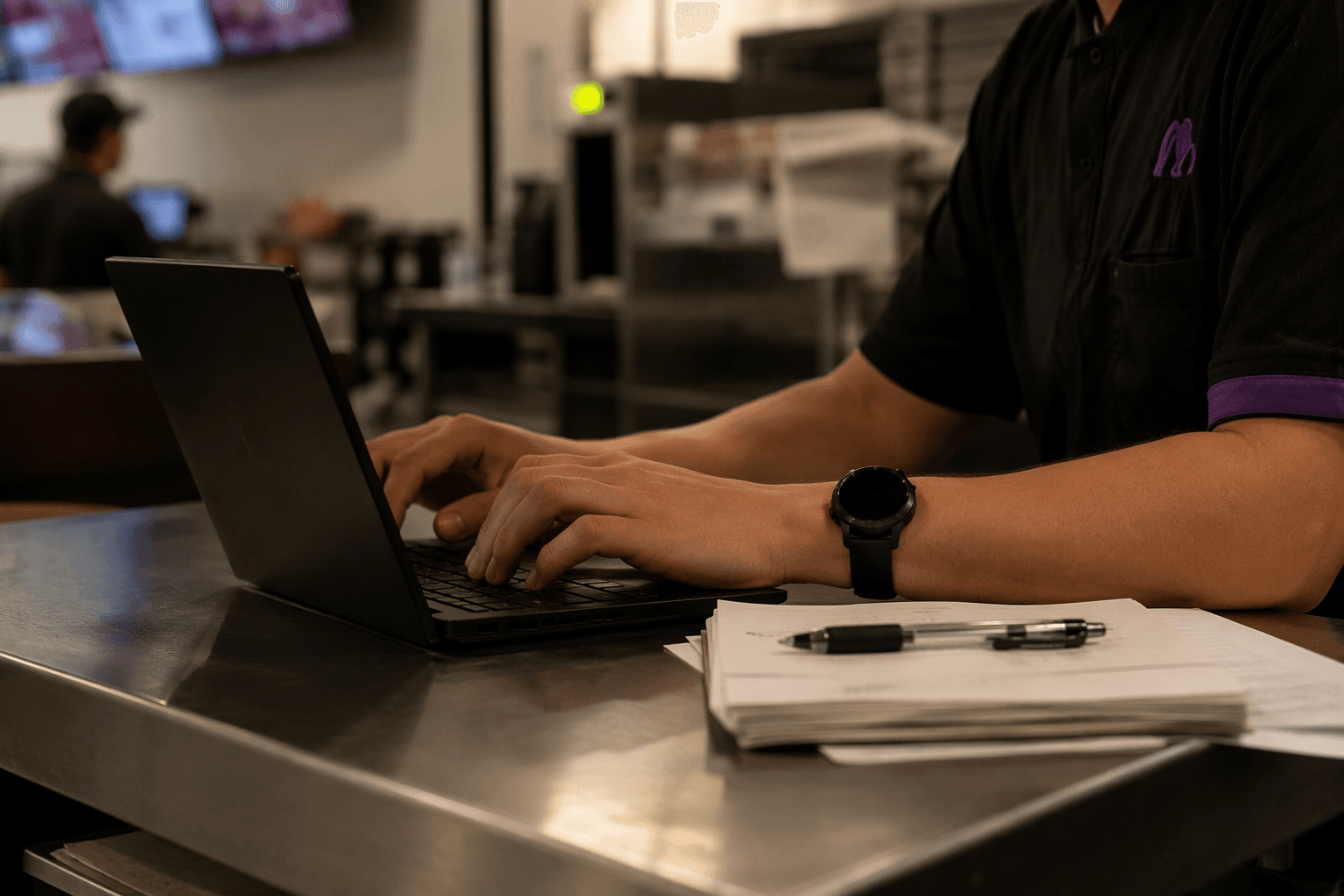
Built In’s Taco Bell page is an evergreen candidate-resource article, but it is not an official company document and it is not reviewed or approved by Taco Bell. That matters because the page is best read as a snapshot of how the workplace is perceived from the outside, not as a policy manual for crew members or managers. For anyone applying, it is a prompt to compare the public story with the actual rhythm of a store: how the schedule is built, how fast service really moves, and whether the manager on duty is the kind who coaches people through a rush or just counts minutes until close.
That outside-view angle is especially useful in fast food, where applicants often make their first decision before they ever talk to a shift lead. The questions are usually practical ones: can you get consistent hours, is the pace manageable, will you learn enough to move up, and does the store feel like a place you can stay in for more than a few weeks. A profile like this helps people ask those questions early, instead of discovering the answers after training is over.
What Taco Bell promises publicly
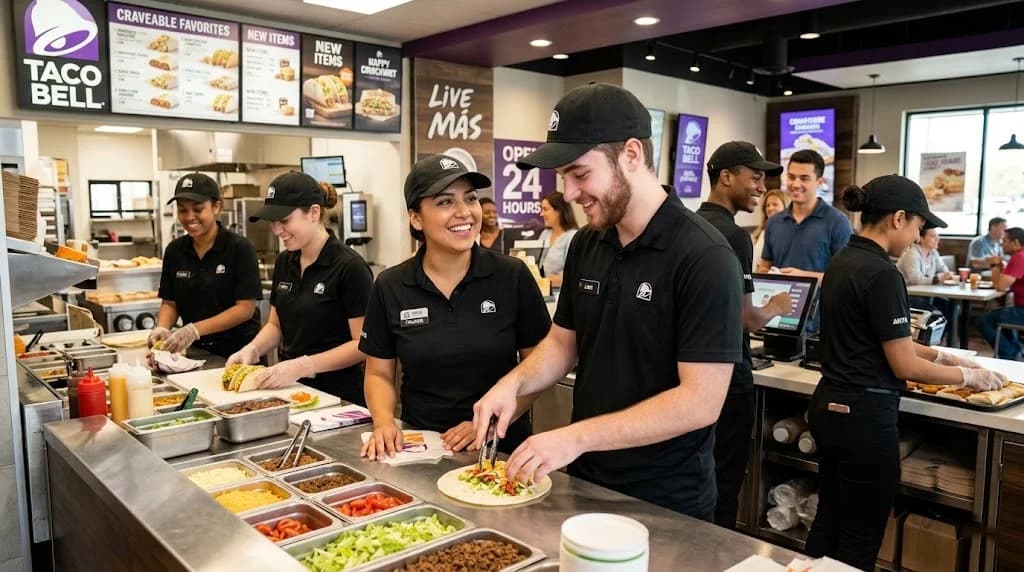
Taco Bell’s own careers pages are built around several different work tracks, including restaurant jobs, restaurant life and perks, corporate jobs, HQ life and perks, and international jobs. That structure tells candidates the brand wants to be seen as more than an entry-level food service stop. The help center also says some benefits for corporate Taco Bell workers can include flexible schedules, growth opportunities, and a supportive team, which is the company’s cleanest pitch for why someone might stay.
The public image is polished, and Taco Bell’s scale helps explain why. The company describes itself as the largest Mexican-inspired concept in the world, with a global brand reach that extends across 42+ million fans each week around the globe on LinkedIn. For applicants, that kind of scale can sound like opportunity: there are many stores, many operators, and multiple paths into the system. The harder question is whether those promises hold up once a worker is assigned to a specific restaurant with a specific manager and a specific labor budget.
What employee ratings say about the day-to-day job
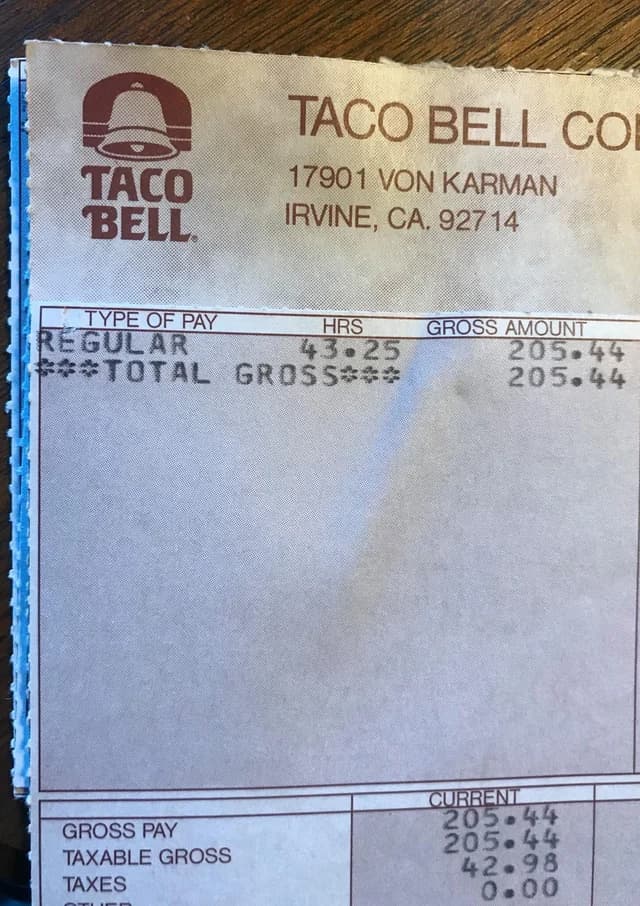
The outside reputation is not uniformly glowing. Comparably rates Taco Bell’s overall culture at 2.5 out of 5, a D-, based on 4,175 employee participants and 36,135 total ratings. Glassdoor says 46% of employees would recommend working there to a friend. Indeed lists average Taco Bell crew member pay in the United States at about $13.90 an hour.
Those numbers do not tell the whole story of any one store, but they do point to a workplace where experience is uneven. A job that is described publicly as flexible or energetic can still feel unstable if the schedule changes every week, training is thin, or the rushes are understaffed. For crew members, that is where the real test lies: whether the job comes with predictable shifts, whether managers communicate clearly, and whether promotion feels like a path or just a slogan.
Why franchise ownership changes the job
Taco Bell’s footprint is heavily franchise-driven, and that is one reason workplace experience varies so much. The brand says it has about 350 franchise organizations, and Flynn Group says it entered the Taco Bell system in 2013 and now operates over 280 restaurants in 9 states. That kind of ownership spread means two Taco Bell stores can share a logo but not the same scheduling habits, pay practices, training style, or management culture.
For workers, that difference shows up in the basics first. One operator may be steady about posting schedules two weeks out, while another may lean heavily on callouts and last-minute coverage. One store may promote from within quickly because it cannot keep people long enough to fill shift-lead roles; another may keep the same small management team for years. The brand matters, but the operator usually decides what the job feels like at 7 p.m. on a Friday.
Career paths are real, but they are local
Taco Bell’s history gives the company a long runway, but not a straight line, for advancement. The first Taco Bell opened in 1962, founded by Glen Bell, and the company has grown from a single California restaurant into a global chain. That expansion created jobs at every level, from crew and shift manager to restaurant manager and corporate roles, but the route upward still depends on what happens inside each restaurant.
Fast-food industry research shows annual turnover can exceed 100% in some analyses, and that churn changes how career paths work on the ground. High turnover means stores constantly need people who can learn quickly, keep pace during rushes, and handle the repetitive pressure of service without burning out. It also means workers who are reliable and trainable may move up faster than they would in a slower industry, especially when a store is trying to stabilize staffing.
- How many people are on the floor during peak hours?
- Who writes the schedule, the store manager or the franchise office?
- How often are shift leads promoted from crew?
- What training is given before someone is expected to close or open alone?
- How much does a store rely on the same small team week after week?
A useful way to read Taco Bell’s career claims is to ask how they translate into a real shift.
Those are the questions that separate a glossy recruiting pitch from an actual job.
What matters most for crew and managers
The Built In profile is worth reading because it captures the public version of Taco Bell work, and the employee-review sites show why that version needs a reality check. Flexibility, growth, and team support are the right words, but the job still lives or dies on scheduling discipline, staffing levels, and whether managers can keep people from churning out. In a system as large and franchise-heavy as Taco Bell, the brand promise is only the starting point. The store, the operator, and the people running the shift decide what the work really feels like.
This article was produced by Prism’s automated news system from verified source data, official records, and press releases, then run through automated quality and moderation checks before publishing. The system is built and supervised by the people who set the standards it runs under. Read our full AI policy.
Did this article answer your question?