Burger chains pivot from meat analogs to veggie-forward menus
Burger chains are backing away from meat-mimic patties, and White Castle’s new Southwest Veggie Slider shows why: familiar vegetables sell easier than lab-style substitutes.

Burger chains are pulling back from the Impossible-and-Beyond era and moving toward menu items that look more like vegetables than replica meat. For Taco Bell crews and managers, that shift matters because it rewards the same formula the chain has long used best: recognizable ingredients, easy-to-explain builds, and a clear reason for the price.
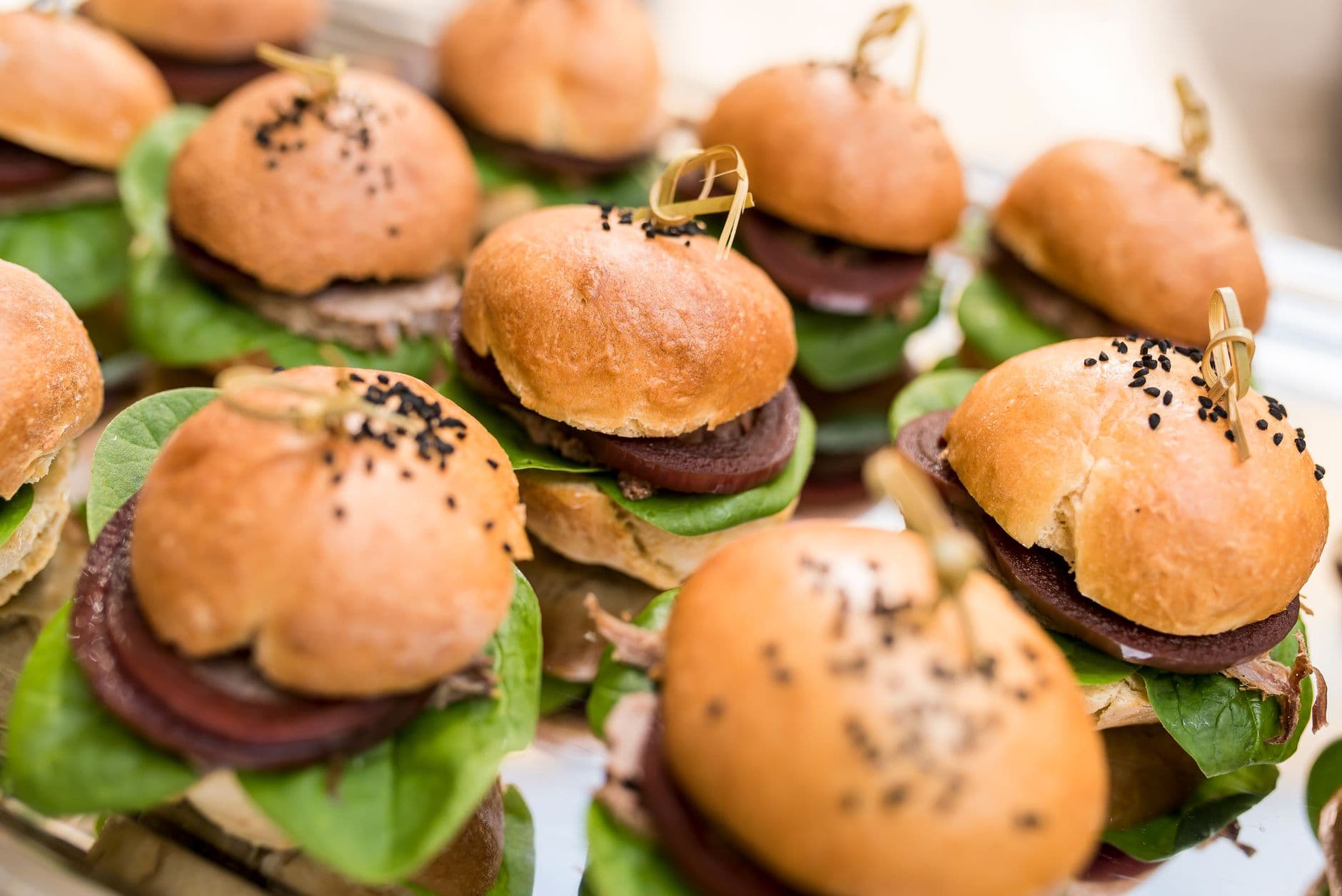
White Castle’s new Southwest Veggie Slider, which debuted June 1, showed how far the category has moved from meat analogs. The slider is built from sweet potatoes, black beans, corn, red bell peppers, onions and carrots, all in a crisp brown rice crust. That is a different pitch from the early plant-based wave, when chains tried to make vegetable items taste and look as close to beef as possible. Restaurant Business described that turn on June 8, noting that White Castle, Culver’s and Shake Shack are all rethinking how they frame plant-based food.

That matters at Taco Bell because the chain already sells itself on customization and bold flavor, not imitation. Taco Bell says its official vegetarian menu is certified by the American Vegetarian Association, and the company says it has 36 certified vegetarian ingredients, 26 of them vegan, that can be customized in more than 8 million ways. Taco Bell also introduced its first dedicated vegetarian menu board in 2019, then kept leaning on Veggie Mode and vegetarian menu pages by 2024 to make plant-based ordering easier to understand.

The company’s March 21, 2024 launch of the nationwide Cantina Chicken Menu shows the same logic in a different lane. Taco Bell described it as a premium daytime platform built around slow-roasted chicken, pico de gallo, purple cabbage, crispy white corn shells and avocado verde salsa, and said it was projected to use more than 2.5 million additional pounds of produce in 2024. That is the kind of innovation that gives kitchen teams fresh ingredients without forcing a brand identity reset.
For crew members, the lesson is operational as much as it is about the menu board. Vegetable-heavy builds can be simpler when the line is set up correctly, but they also raise the stakes on portioning, prep timing and waste, because produce spoils, wilts and overproduces fast. Taco Bell’s own vegan guidance says some restaurants use the same frying oil for items that may or may not contain animal ingredients, and that cross-contact with meat products cannot be guaranteed. In other words, plant-forward items only work if the back of house can execute them cleanly, consistently and at a price guests accept.
This article was produced by Prism’s automated news system from verified source data, official records, and press releases, then run through automated quality and moderation checks before publishing. The system is built and supervised by the people who set the standards it runs under. Read our full AI policy.
Did this article answer your question?