California Carl’s Jr. franchisee blames $20 wage floor for Chapter 11 filing
A California Carl’s Jr. operator tied its Chapter 11 filing to the $20 fast-food wage floor and moved to sell 49 restaurants, a cautionary sign for Taco Bell franchisees.
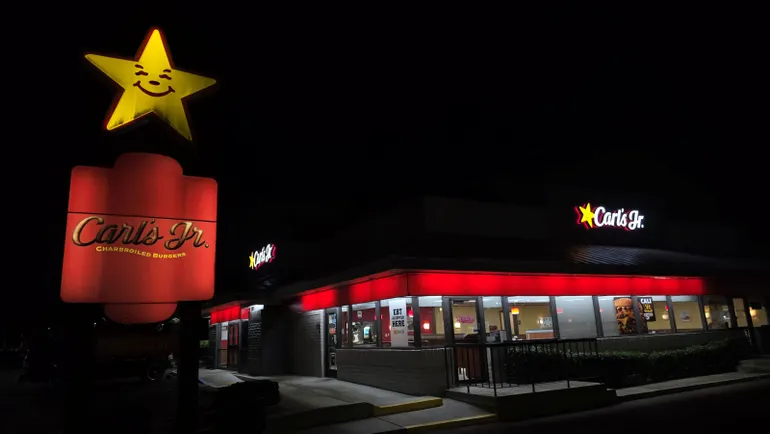
A major California Carl’s Jr. franchise operator said the state’s $20 fast-food wage floor pushed its costs higher as it filed Chapter 11 and moved to sell 49 restaurants, a reminder that franchise stress can quickly reach the store level.
The company’s argument centers on labor. California’s fast-food minimum wage took effect on April 1, 2024, under AB 1228, which covers fast-food employees at chains with 60 or more locations nationwide. The law also created a Fast Food Council and allows annual increases of up to 3.5% or the CPI for urban wage earners and clerical workers, whichever is smaller. For operators trying to keep prices competitive and staffing stable, that is a moving target, not a one-time reset.
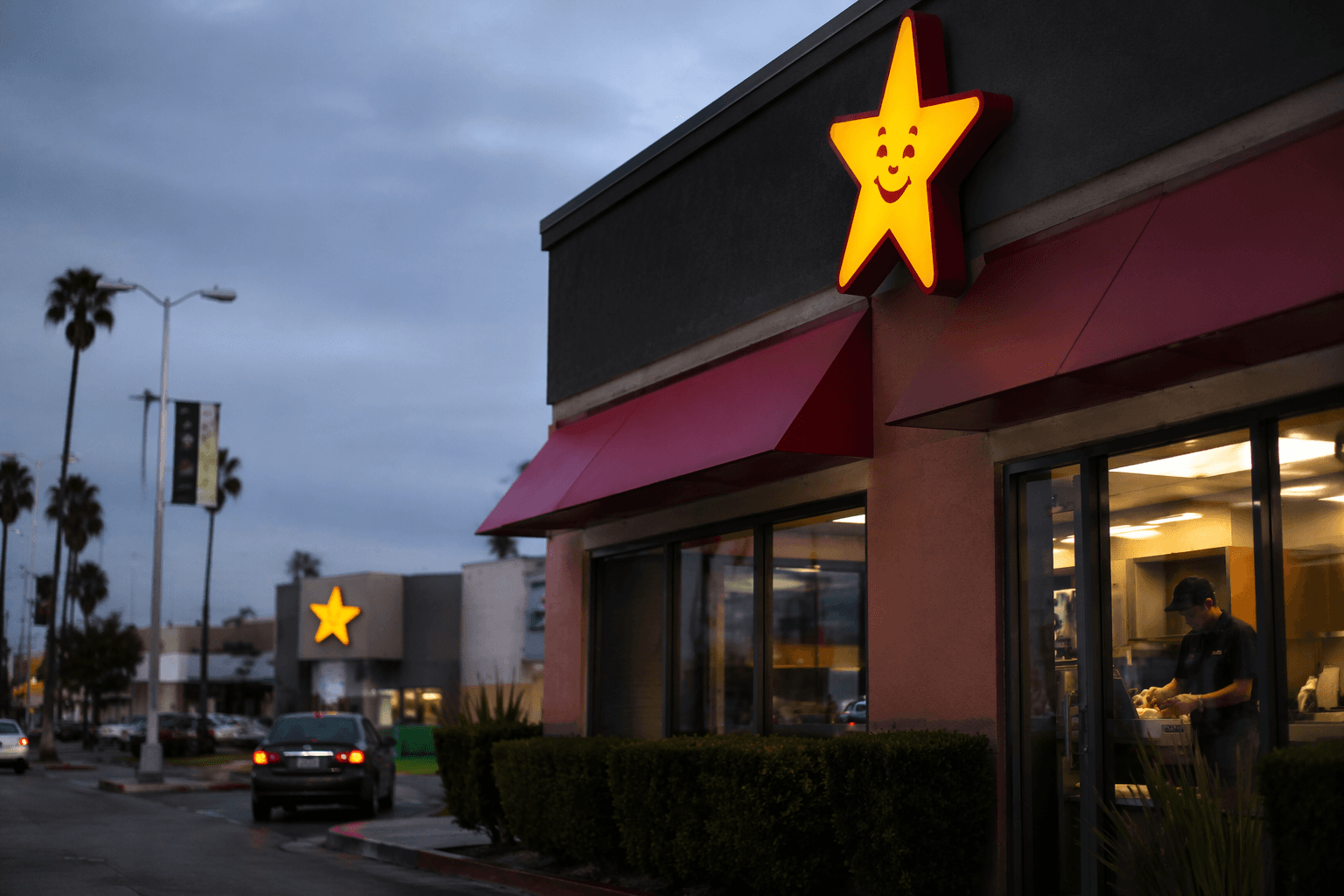
But wage pressure alone does not explain every shaky balance sheet. A Chapter 11 filing signals a broader financial reset, and the planned sale of 49 locations suggests the operator was dealing with more than a higher payroll line. The company said the wage increase materially raised operating expenses, while the brand itself also faced business problems of its own. That matters because franchise distress usually shows up in several places at once: tighter hiring, deferred maintenance, slower remodels, weaker expansion and, in the worst cases, closures.
For Taco Bell crew members and shift managers, the warning is practical. When a franchisee gets squeezed, the first signs are often fewer hours, thinner staffing on peak shifts, slower equipment replacement and more pressure on managers to hold labor to the floor. In high-cost states, that can also mean more aggressive menu pricing, especially as operators try to defend margins in a traffic-sensitive business.
The broader policy debate is still split. The California Restaurant Association said early member feedback described the wage hike as a “breaking point” for some operators. Industry reporting has also pointed to menu price increases, reduced hours and more automation or kiosk investment as common responses. At the same time, the University of California, Berkeley Institute for Research on Labor and Employment said later analysis found substantial wage gains without the employment collapse critics predicted. A National Bureau of Economic Research paper, using 2023 to 2024 data, found California fast-food employment declined 2.7% to 3.2% relative to the rest of the United States after the law took effect.
For Taco Bell workers, the real lesson is not that one wage law decides a franchisee’s fate. It is that the health of the operator, the traffic in the store and the labor budget all move together, and when one side breaks, workers usually feel it first.
This article was produced by Prism’s automated news system from verified source data, official records, and press releases, then run through automated quality and moderation checks before publishing. The system is built and supervised by the people who set the standards it runs under. Read our full AI policy.
Know something we missed? Have a correction or additional information?
Submit a Tip