Yum weighs Pizza Hut sale as Taco Bell gains focus in turnaround
Pizza Hut may be headed for a sale, and Taco Bell workers could see more capital, tech and management focus land on their side of Yum's portfolio.

Yum Brands is moving closer to a Pizza Hut sale, and the message for Taco Bell workers is less about a transaction than about where the parent company is putting its weight. When one brand keeps lagging, capital, leadership attention and new operational tools tend to follow the brands that are already pulling growth.
Yum said on Nov. 4, 2025, that it had started a formal review of strategic options for Pizza Hut and that the brand might be better executed outside Yum. The company brought in Goldman Sachs and Barclays to advise on the process and said it had not set a deadline. Now Yum is in exclusive talks to sell Pizza Hut to LongRange Capital, a step that would mark a sharper break from a concept that has been the weakest U.S. performer in the portfolio for some time.
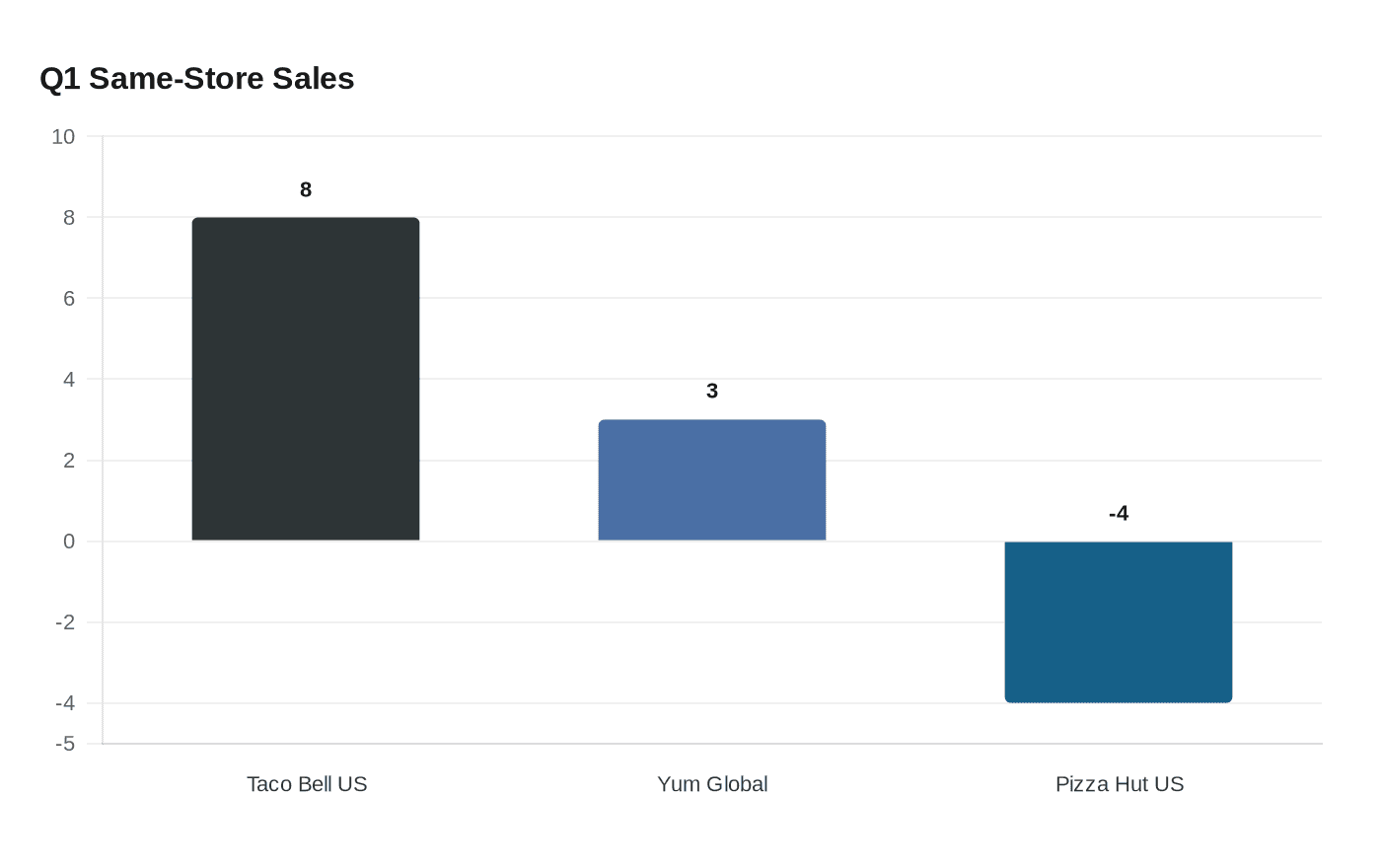
The numbers explain why. In Yum’s first-quarter 2026 results, reported April 29, Taco Bell U.S. same-store sales rose 8%, helping lift Yum’s net sales 15% to $2.06 billion and global same-store sales 3%. At the same time, Pizza Hut U.S. same-store sales fell 4% and operating profit declined 14%. Yum also said Taco Bell had delivered a successful first-quarter pilot of AI-driven A/B testing in drive-thrus and planned to expand that work, a sign that the brand is getting priority on the kinds of tools that can affect speed, labor use and throughput on the line.

For Taco Bell managers and crew members, that shift matters in concrete ways. When Yum leans harder on Taco Bell, the brand is more likely to draw the company’s development dollars, technology rollout and field support, which can shape staffing expectations, scheduling pressure and how aggressively stores are pushed on digital execution. It can also mean more scrutiny on labor productivity and service times, especially as the chain is asked to keep traffic strong in a value-sensitive market.
That growth burden is already visible. In 2025, Yum said it would acquire 128 Taco Bell restaurants in the Southeast for $670 million. Chief financial officer Ranjith Roy said the stores were expected to add about $70 million in incremental EBITDA and one point to operating profit growth, while chief executive Chris Turner framed the move as a way to accelerate development and profitability without changing Yum’s franchise-led model.
Yum says it operates or franchises more than 63,000 restaurants in 155 countries and territories, but inside that scale the balance is shifting. If Pizza Hut exits the portfolio, Taco Bell’s role inside Yum becomes even more central, and the decisions that follow will reach far beyond corporate headquarters in Louisville, Kentucky, into the daily routines of the stores that are being asked to carry more of the turnaround.
This article was produced by Prism’s automated news system from verified source data, official records, and press releases, then run through automated quality and moderation checks before publishing. The system is built and supervised by the people who set the standards it runs under. Read our full AI policy.
Know something we missed? Have a correction or additional information?
Submit a Tip