Denver airport gets Colorado’s first Taco Bell Cantina
Colorado’s first Taco Bell Cantina opened at Denver International Airport, bringing alcohol service, kiosks and airport rushes to a new kind of Taco Bell shift.

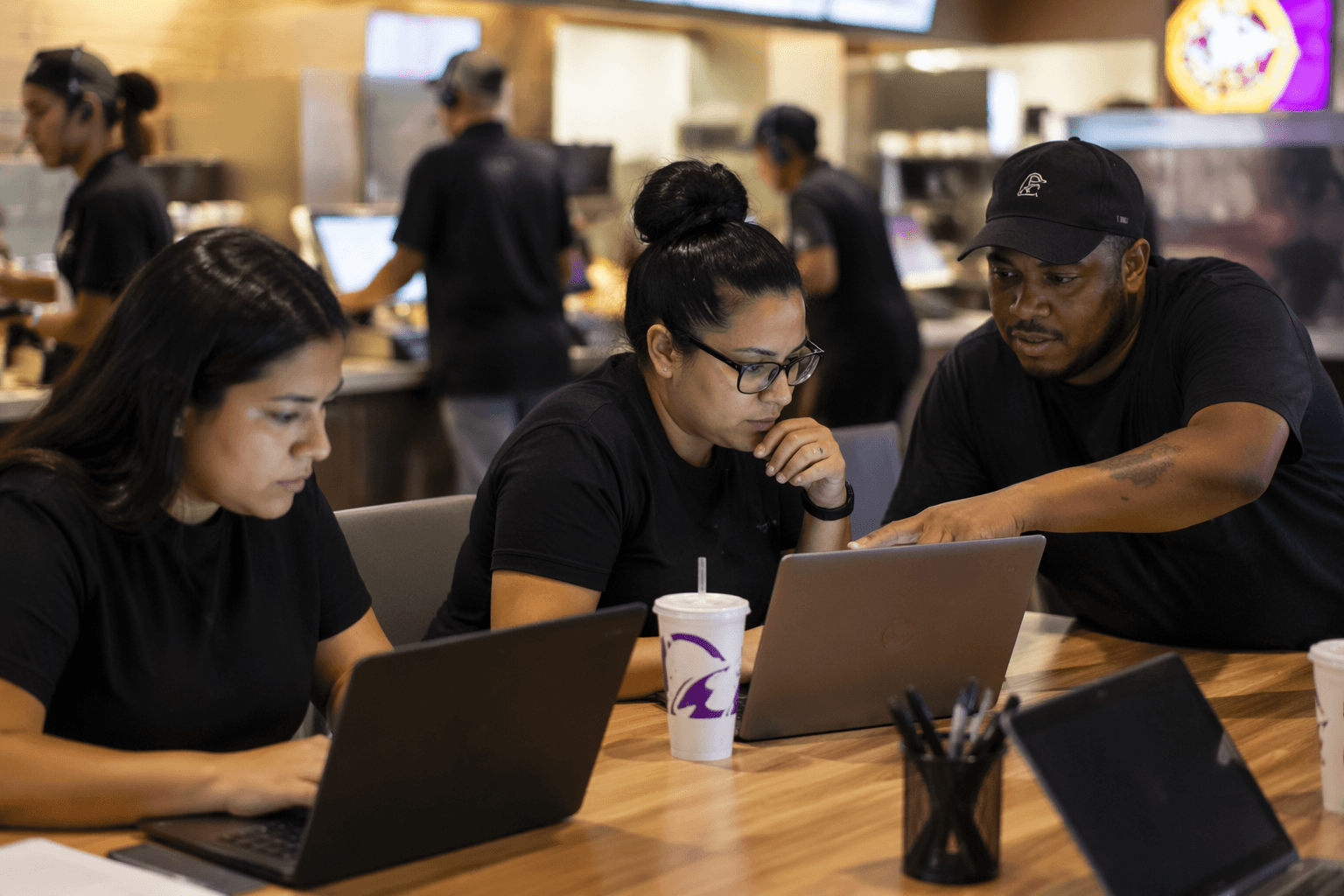
Denver International Airport’s new Taco Bell Cantina changes the job as much as the menu. The Concourse A unit, Colorado’s first Cantina and one of roughly 60 worldwide, soft-opened on May 11 near Gates A46 and A47 after the airport first aimed for a mid-April opening near Gate A49 in Concourse A East.
For crew members, the move matters because this is not a standard Taco Bell with a different sign. Mission Yogurt, Inc. is developing the location, and the airport’s own dining directory now lists it as a full-bar quick-serve venue in the A Gates near Gate A47. The former Taco Bell at DEN closed to make room for the conversion, and airport officials said beer and boozy Freezes would arrive later in the summer, with a formal ribbon-cutting planned for June. That means a shift built around traveler waves, faster turn times and more complicated guest expectations than a normal drive-thru or strip-mall unit.
The airport opening also fits Taco Bell’s broader strategy. The company says it has introduced more than 60 urban restaurants since launching the first Cantina in 2015, and it has used both new Cantinas and conversions of traditional Taco Bell restaurants as part of its growth plan toward a $20 billion brand with 10,000 restaurants globally. Taco Bell has described Cantinas as tech-forward, with kiosks and digital menu boards, along with open kitchens and open plating. For workers, that kind of format usually means more moving parts on every shift, from food flow and guest handoff to the pace of digital ordering.
Alcohol service is another reason this format carries more operational weight. When Taco Bell introduced Cantinas in 2016, it said the concept would be the first and only Taco Bell restaurant to serve alcohol to legal-age customers, with menus that could include beer, wine, sangria and twisted Freezes. At an airport, that adds another layer of training, compliance and timing to a service model already built around speed.
The Denver opening also carries some local context. There had been no verified U.S. airport Taco Bell Cantina before this one, and Boulder’s 2017 Cantina was short-lived after it could not secure a liquor license. That makes DEN less like a novelty and more like a test case for where Taco Bell wants its next generation of restaurants to go: more flexible, more specialized and more demanding of the people running them.
This article was produced by Prism’s automated news system from verified source data, official records, and press releases, then run through automated quality and moderation checks before publishing. The system is built and supervised by the people who set the standards it runs under. Read our full AI policy.
Did this article answer your question?