Taco Bell managers need better pay records to stay compliant
Messy punches, payroll edits, and missed breaks can turn a Taco Bell shift into a wage case. Clean records are the manager’s best defense.

Why records are a frontline defense, not busywork
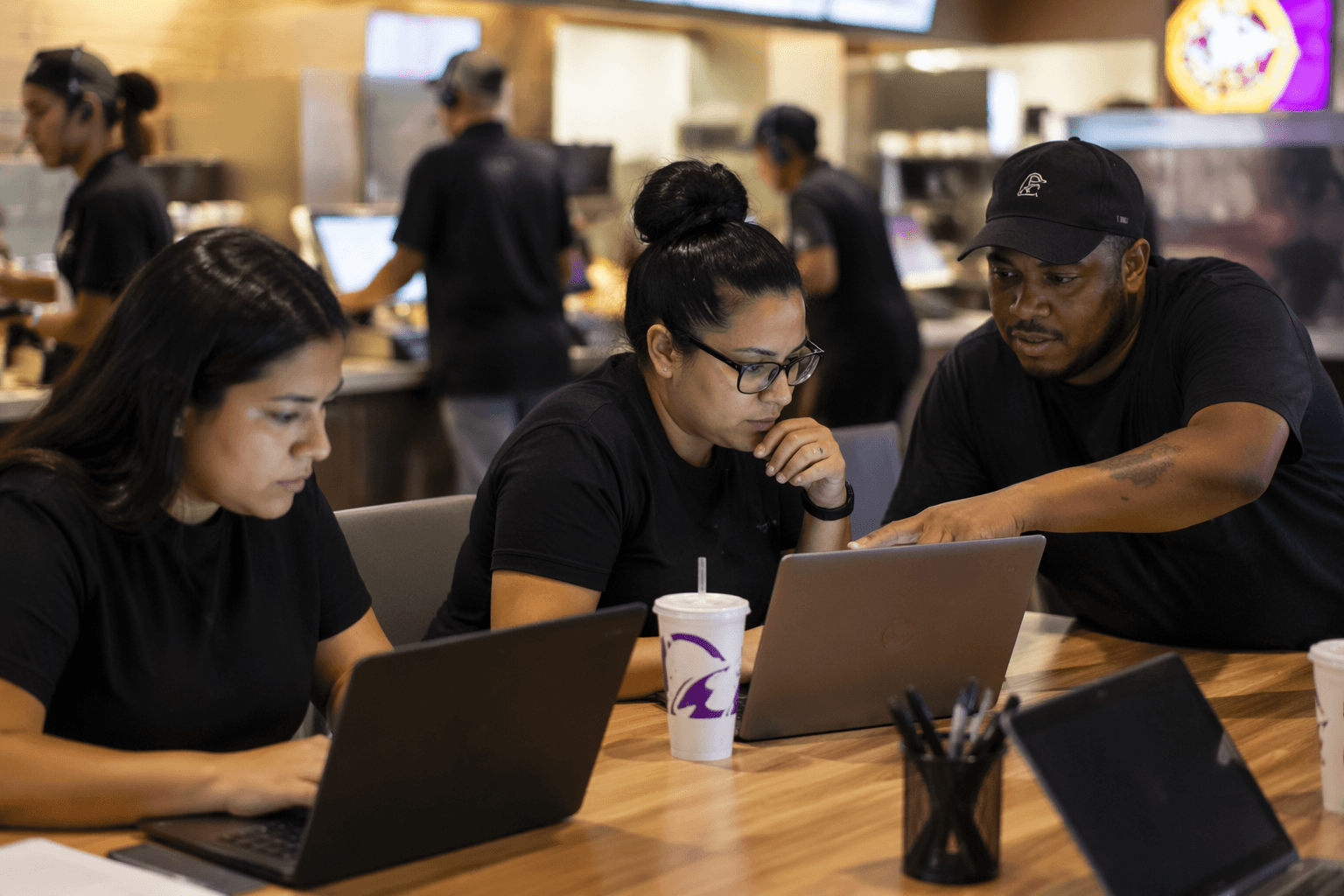
At Taco Bell, the fastest way to create a wage problem is often the most ordinary one: a missed break, a late clock-out, a shift swap, or a payroll correction that never gets documented clearly. That is why recordkeeping is not clerical fluff. It is the manager’s first line of defense when a routine scheduling hiccup could become a wage complaint, an investigation, or a lawsuit.
The federal rules are blunt about this. Covered employers must keep accurate records for each non-exempt worker, including the employee’s identifying information, the day the workweek begins, hours worked each day, total hours each workweek, the basis on which wages are paid, the regular hourly rate, overtime earnings, additions or deductions, total wages paid, and the pay period covered by each payment. Employers also have to post the official FLSA poster. In other words, if you manage the labor, you also manage the paper trail.
What the law expects in a restaurant shift
Restaurants are squarely in the federal wage-and-hour system. The Department of Labor says restaurant workers are among those commonly covered by the Fair Labor Standards Act, which governs minimum wage, overtime pay, recordkeeping, and child labor standards for most full-time and part-time private-sector workers. The overtime rule is especially important in fast food, because the law generally requires time-and-a-half pay for hours worked over 40 in a workweek.
That is where Taco Bell managers need to think like investigators, not just schedulers. The law does not care whether the line was slammed, whether the store was short-staffed, or whether a shift ran long because of a promotion or a late truck delivery. If the hours happened, the records need to match the reality of the work.
Where Taco Bell stores get exposed
The riskiest moments are the ones managers see every day. A crew member stays late to finish dishes after close. A shift change happens fast and the incoming manager assumes the outgoing one already corrected the timecard. Someone works through a break because the lobby is packed. A worker jumps from the grill to drive-thru to prep, then picks up an extra shift later in the week. Each of those moments can become a recordkeeping problem if the clock, the schedule, and the payroll file do not line up.
This is why store records matter even when the chain is busy enough to tempt managers into shortcuts. Good documentation shows that the restaurant paid people correctly, scheduled them fairly, and handled wage rules consistently when hours got messy. It also gives employees a way to compare what they actually worked with what they were paid. In a business built on speed, the boring habit of writing things down is often what keeps the store safe.
What to track every shift
For Taco Bell managers, the practical version of compliance is simple: keep the records complete, keep them consistent, and never assume a handoff will fix itself later.
- Confirm the worker’s identifying information is correct.
- Track the day the workweek starts, not just the calendar date.
- Record every hour worked, including pre-opening prep and post-close cleanup if it is work.
- Keep daily and weekly totals accurate.
- Make sure the wage basis is clear, whether the worker is hourly or on a salary arrangement that still has legal limits.
- Log the regular hourly rate and any overtime earnings.
- Document additions and deductions so payroll corrections are transparent.
- Keep the pay period attached to each payment.
- Save the schedule against the timecard so managers can spot gaps before payroll closes.
That last step matters when workers rotate between stations, split shifts, or pick up extra hours during promotions and special events. When the store is moving fast, the records have to move with it.
What recent Taco Bell cases proved
The Department of Labor has already shown how expensive sloppy wage tracking can get inside Taco Bell’s system. In July 2022, the department said it recovered $56,000 for 31 managers after finding that Taco Bell franchisee Hagan and Hagan Inc. paid managers with a salary plus nondiscretionary bonuses, incentives, and commissions in a way that violated overtime exemption rules. The department said more than 10 percent of the managers’ salary came from those payments, which meant the exemption did not apply.
That matters because a manager title does not automatically settle the overtime question. If pay is structured the wrong way, the legal classification can fall apart, and the employer can owe back pay.
A different case, in April 2023, was even more basic and more avoidable. The Department of Labor said it recovered $22,744 in back wages and liquidated damages for 12 employees at a Taco Bell in Iowa after investigators found that the general manager deducted time from workers’ time cards before submitting hours for payroll processing. That is the kind of edit that can start as a shortcut and end as a public enforcement action.
The lesson from both cases is the same: wage problems do not need to start as theft to end up as liability. A bad payroll process can do the damage all by itself.
Why state rules and franchise structure raise the stakes
Federal law is only the floor. The Department of Labor’s restaurant toolkit warns that some state labor laws provide additional rights and protections, so restaurants have to comply with both federal and state rules. That is especially important in a brand as large as Taco Bell, where franchise and corporate-owned stores can operate under the same logo but not always the same local labor pressures.
Taco Bell is part of Yum Brands, and the scale alone explains why disciplined recordkeeping matters. Yum said it had more than 58,000 restaurants in more than 155 countries and territories in its 2023 annual report, and more than 63,000 restaurants in 155 countries and territories in its 2025 annual report. A system that large cannot afford loose timekeeping as a matter of routine. The bigger the footprint, the more likely a small payroll mistake in one store will become a legal problem somewhere else.
There is also a longer legal history around Taco Bell and time records. A California wage-and-hour case involving corporate-owned Taco Bell restaurants covered non-exempt hourly workers from September 7, 2003, through July 1, 2013, and included allegations about late meal periods reflected in employees’ time records. That history is a reminder that recordkeeping disputes at Taco Bell are not new, and that time records have long been the evidence lawyers reach for first.
The management habit that prevents the next case
The pay debate in fast food often focuses on minimum wage, and that matters. But once a store is operating, the compliance fight usually comes down to something more mundane: did the hours, wages, and breaks get recorded honestly and on time?
That is the core management skill here. Not guessing. Not backfilling. Not hoping payroll will smooth it out. A clean set of records protects workers from underpayment and protects managers from having to defend a messy paper trail after the fact. At Taco Bell, where every rush creates another chance for timekeeping mistakes, accurate records are not a side task. They are the difference between running a store and inheriting a case.
This article was produced by Prism’s automated news system from verified source data, official records, and press releases, then run through automated quality and moderation checks before publishing. The system is built and supervised by the people who set the standards it runs under. Read our full AI policy.
Did this article answer your question?