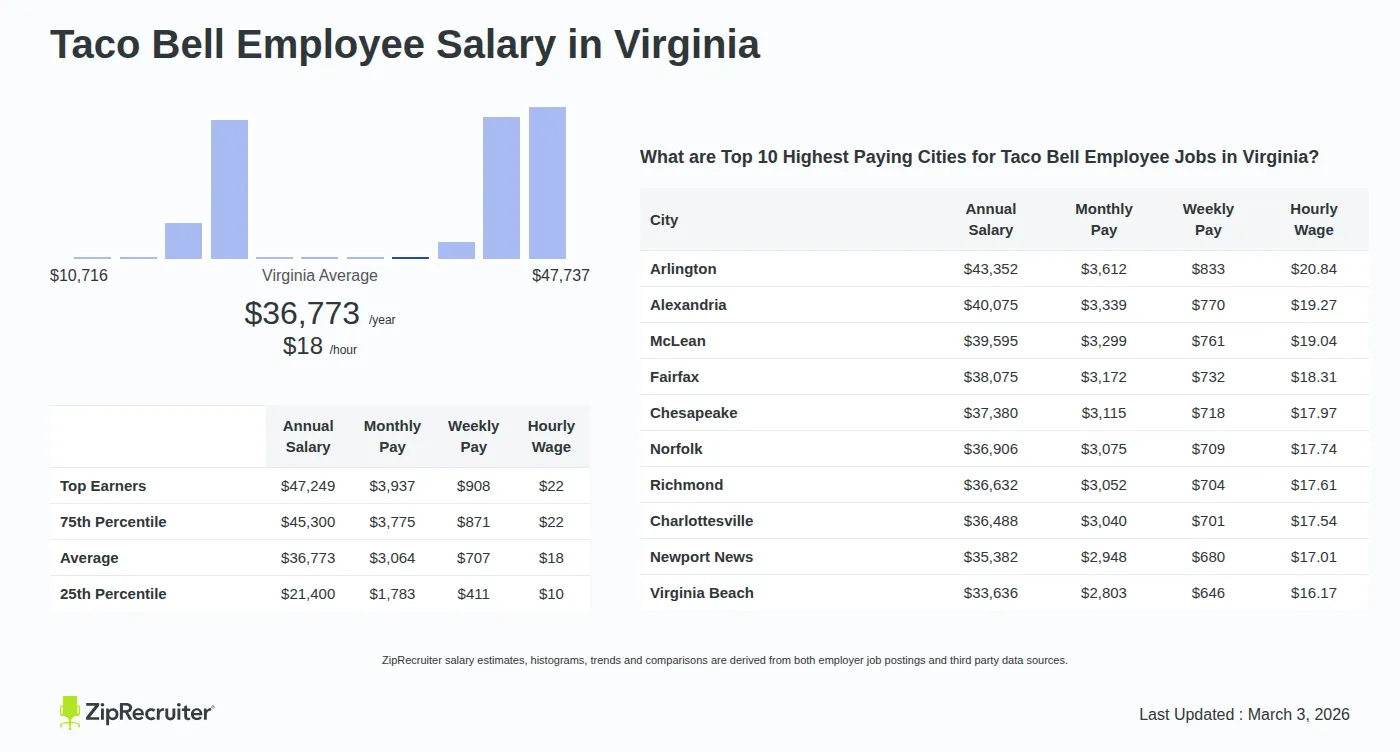
OSHA heat safety guidance highlights risks in Taco Bell kitchens
Heat can hit Taco Bell crews long before the lunch rush ends. OSHA’s guidance points to the warning signs managers must catch and the breaks workers need.
Why heat is a Taco Bell workplace issue, not just a weather issue
OSHA treats heat as a serious workplace hazard because it can stop being a comfort problem long before a shift is over. Its Heat Illness Prevention campaign, launched in 2011, is built around a simple idea: employers and workers need to recognize heat hazards early and act before dehydration or heat illness turns into an emergency.
That matters in Taco Bell restaurants because the hottest conditions are not always outside. Kitchens, dish areas, freight runs, trash runs, parking-lot tasks, and crowded drive-thru periods can pile heat on top of heat, especially when ventilation is weak or the store is running short-staffed. In that setting, a worker who starts feeling off is not just having a bad moment. The whole line can slow down, orders can back up, and a safety issue can become an operations issue fast.
What OSHA says crews need to watch for
OSHA says millions of U.S. workers are exposed to heat on the job, and every year thousands become sick from occupational heat exposure, with some cases fatal. The agency also warns that 50% to 70% of outdoor heat fatalities happen in the first few days in hot environments because workers have not yet acclimatized. That warning maps directly onto restaurant life, where new hires often jump from one intense shift to the next without much time to adjust.
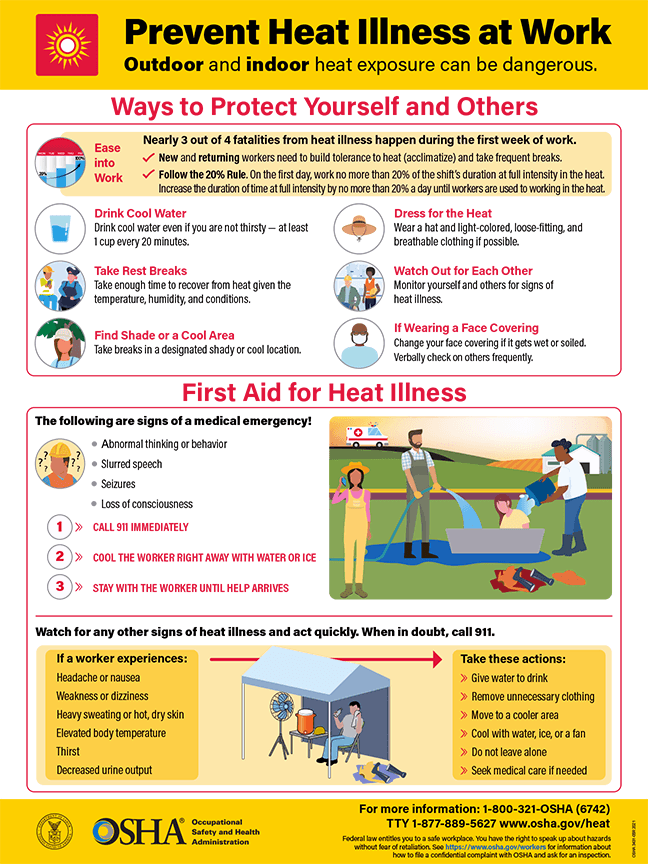
For Taco Bell crews, the early signs matter most. Dizziness, heavy sweating, nausea, and confusion are the red flags that should trigger immediate action, not a wait-and-see approach. Workers should also pay attention to dehydration, because OSHA notes that it can affect performance before a person fully realizes they are in trouble. If someone starts to look slow, pale, shaky, or disoriented, that is not the moment to power through the rush.
What managers should build into the shift
OSHA’s guidance centers on three basics: water, rest, and shade. In a restaurant, those ideas need to become actual routines, not just a poster on the wall. Managers should make sure new workers know where water is, who to tell when symptoms start, and how to step out of the line briefly before a small problem becomes a bigger one.
That means planning ahead for the hottest part of the day and the busiest part of the shift. If the lobby is packed, the drive-thru is stacking cars, and the kitchen is running hot, managers should be ready to rotate people, call for short recovery breaks, and keep an eye on anyone who is new to the store or new to the job. OSHA specifically says employers should protect new workers from heat hazards, which is especially important in a high-turnover chain where many employees are still learning the flow of a rush, the pace of prep, and where the nearest relief is located.
Practical manager actions should include:
- telling every new crew member where the water station is
- checking in more often with workers who have just started
- rotating people out of the hottest positions when possible
- watching for symptoms instead of waiting for a complaint
- making space for a brief recovery before someone gets worse
How the policy debate is reaching indoor restaurant work
Heat rules are no longer being treated as an outdoor-only issue. OSHA published a Notice of Proposed Rulemaking for Heat Injury and Illness Prevention in Outdoor and Indoor Work Settings on August 30, 2024, and then held hearings in June and July 2025. That move signaled that federal regulators are looking at the same problem restaurant workers already know from experience, which is that a hot kitchen can be just as punishing as outdoor labor.
California has also moved toward stronger indoor heat protections, including for restaurant kitchens. Reporting on the state’s approach said the protections would kick in at 82 degrees, with additional measures advised at 87 degrees. Those proposals also pointed to a heat safety coordinator and a buddy system, two ideas that translate well to fast-food operations because they make heat a shared responsibility instead of a personal struggle.
For Taco Bell workers, that policy shift matters because it shows what good heat safety can look like on the ground. Once temperatures rise, managers should not just tell crews to drink more water and keep moving. They should be ready to adjust the pace, assign someone to keep tabs on vulnerable workers, and build a culture where reporting symptoms is treated as good judgment, not weakness.
What a safer hot-shift response should look like
The best heat response is early, not dramatic. A crew member who says they feel dizzy or nauseated should not be pushed to finish a task before getting relief. A shift manager should know that confusion, heavy sweating, and nausea are not ordinary complaints to brush off during a summer rush. They are signs the body is losing the ability to regulate itself, and that means the response needs to be immediate.
In practice, that can mean moving the worker to a cooler spot, giving water, easing them out of active production, and making sure someone keeps checking on them. If several people in the same store start showing signs at once, that is a clue the environment itself needs attention, whether that means more breaks, a different rotation, or a closer look at ventilation and workload.
Why this hits fast-food crews especially hard
Restaurant work stacks heat on top of speed, and speed on top of staffing pressure. Taco Bell’s environment is built around tight turns, constant motion, and long stretches where there is little time to sit down or reset. That is why OSHA’s emphasis on planning ahead matters so much: in a fast-food setting, there is no clean break between safety and service.
The real lesson is that heat illness prevention is not a summer slogan. It is a shift-level management skill. The crews who do best in hot conditions are the ones whose managers know the warning signs, give people room to recover early, and treat water, rest, and shade as part of running the restaurant, not as extras. As regulators keep pushing indoor heat protections forward, Taco Bell stores that take this seriously will be the ones better positioned to keep workers safe and keep the line moving.
This article was produced by Prism’s automated news system from verified source data, official records, and press releases, then run through automated quality and moderation checks before publishing. The system is built and supervised by the people who set the standards it runs under. Read our full AI policy.
Did this article answer your question?