DOL Oregon wage case highlights overtime and tip-rule risks for Taco Bell managers
More than $200,137 in back wages for 19 misclassified workers turned an Oregon restaurant case into a warning on overtime and tip rules.

More than $200,137 in back wages and civil money penalties turned one McMinnville restaurant into a costly reminder that overtime mistakes and bad tip handling can trigger federal enforcement fast. The U.S. Department of Labor said 19 workers at the restaurant, later identified as Taste of India 1 on Third Street in downtown McMinnville, were incorrectly treated as exempt, paid straight-time instead of time-and-one-half, and caught in an invalid tip pool.
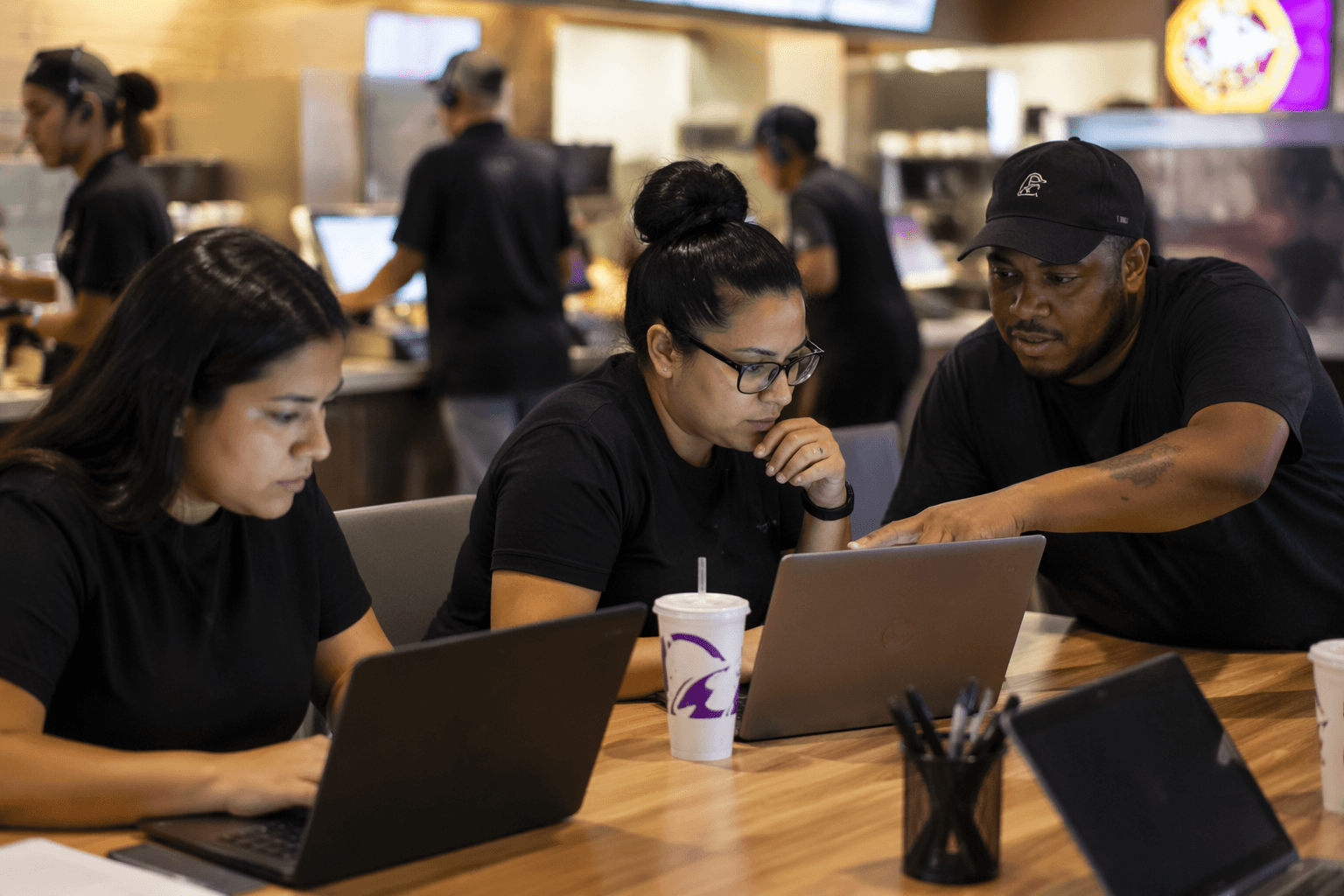
For Taco Bell managers, the biggest lesson is that job titles do not control wage law. A shift lead, assistant manager, or other salaried role is not automatically exempt from overtime just because the schedule says manager. Under the Fair Labor Standards Act, nonexempt employees must receive at least one and one-half times their regular rate for hours over 40 in a workweek. If a restaurant gets the classification wrong, every overtime hour can become back pay.
The tip issue is just as risky. The Labor Department said workers’ tips were used to supplement base wages, which violated federal rules and created an invalid tip pool. Federal guidance defines a tipped employee as someone who customarily and regularly receives more than $30 a month in tips, and employers can only use a tip credit under specific conditions. That distinction matters even for Taco Bell operators who do not run a classic full-service dining room. Hybrid concepts, delivery setups, and franchise operations that mix service styles still need clean rules for when tips are allowed, how they are tracked, and who can share in them.
The real cost here was not just one bad pay period. A $200,000 recovery suggests the problem ran through scheduling, recordkeeping, and payroll administration long enough to draw investigators in. For restaurant managers, that makes timekeeping checks, overtime audits, and training on exempt status more than back-office chores. They are the front line against wage claims that can turn into federal scrutiny, back wages, and reputational damage.
The McMinnville case also landed in the middle of a broader Oregon enforcement push. Just a week earlier, on April 15, the Labor Department announced another restaurant case in the state involving youth labor, overtime, and tip violations, with $96,985 in back wages and penalties. Taken together, the two actions show how quickly routine payroll shortcuts can escalate into a compliance problem with real money on the line.
This article was produced by Prism’s automated news system from verified source data, official records, and press releases, then run through automated quality and moderation checks before publishing. The system is built and supervised by the people who set the standards it runs under. Read our full AI policy.
Did this article answer your question?