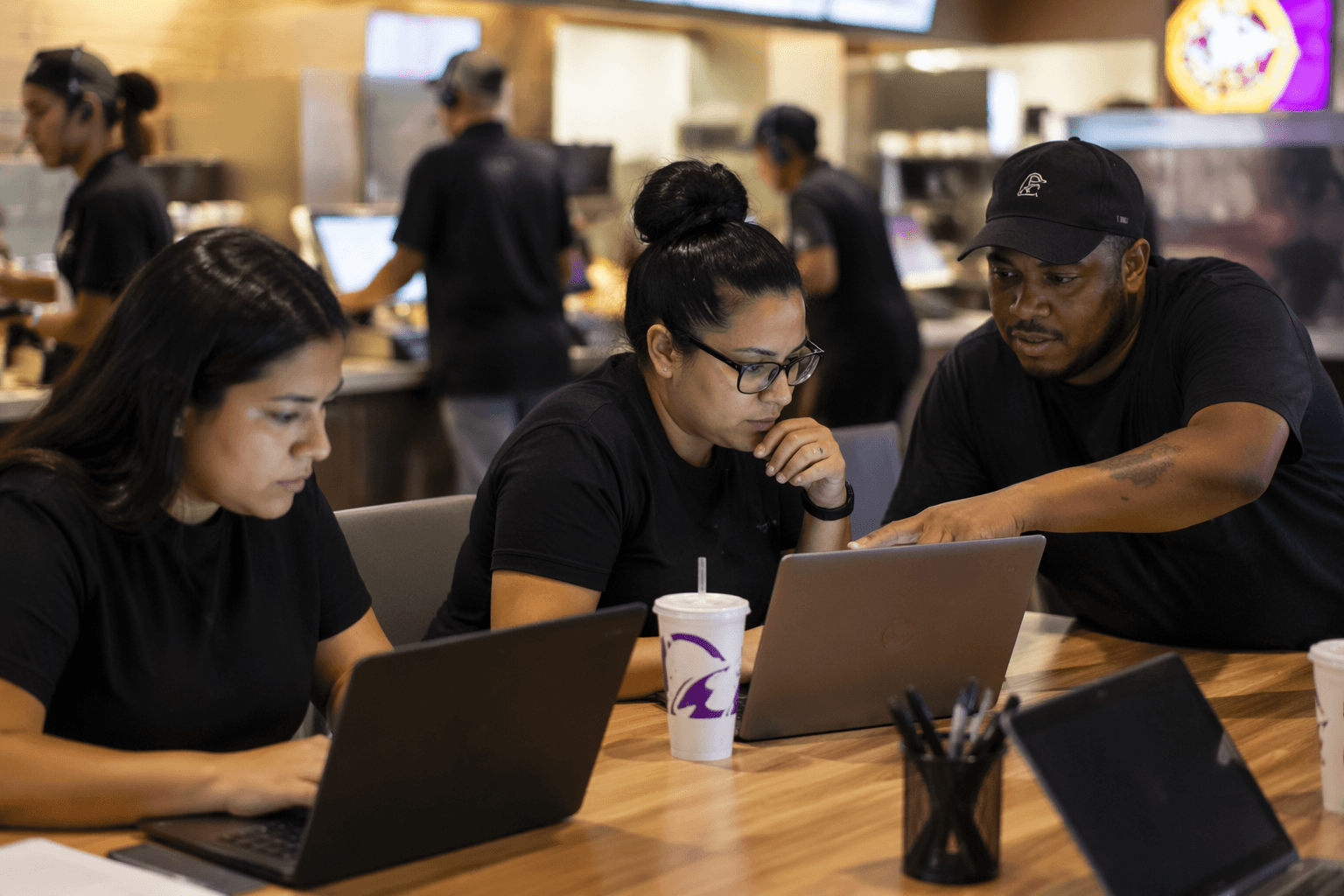
Taco Bell HQ perks page spotlights benefits, career paths for managers
Taco Bell’s HQ perks page is really a map of the next rung up: better benefits, hybrid work, and a clearer path from store manager to corporate or franchise leadership.
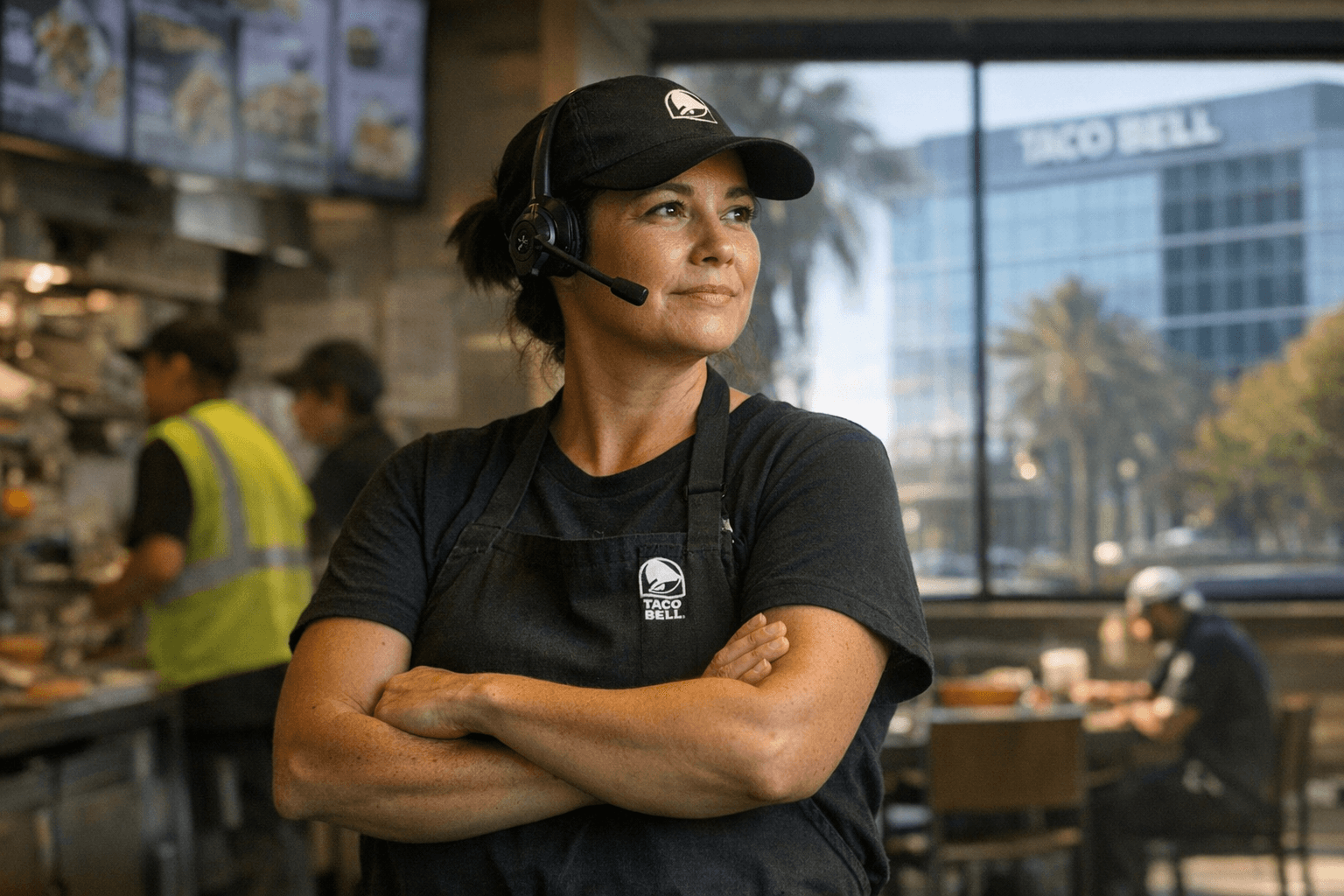
From restaurant floor to Irvine
Taco Bell’s headquarters perks page is more than an HR sales pitch. For anyone running a store, closing a shift, or thinking about the next step, it spells out what the corporate side of the business actually offers, and why that matters when restaurant pay is still being debated across the fast-food industry. The message is simple: there is a life inside Taco Bell beyond the line, and it comes with a very different package of support.
The company’s Restaurant Support Center sits in Irvine, California, and Taco Bell says the campus includes an in-house Taco Bell, a free gym, daycare, and other amenities. That physical setup matters because it shows how the brand wants headquarters to function: not as a distant office tower, but as a place built to support restaurants, product teams, and the people making decisions about the brand every day. For managers in the field, that is a clue about where the company sees its future talent coming from.
What the HQ perks page actually promises
The biggest contrast between store life and headquarters life is the benefits slate. Taco Bell’s HQ page lists a flexible hybrid work environment, year-round half-day Fridays, up to four weeks of vacation, 10 paid holidays plus a floating holiday, sick leave, five Live Well Days, and up to two paid volunteer days off each year. For workers used to juggling labor shortages, late closes, and weekend rushes, that combination is the kind of flexibility many restaurant jobs simply cannot offer.
The benefits package goes beyond schedule control. Taco Bell says headquarters employees get day-one medical, dental, and vision coverage, healthcare and dependent care flexible spending accounts, fertility services, basic life coverage, tuition reimbursement, scholarship support, and adoption assistance. It also says qualifying new mothers can receive up to 18 weeks of paid leave, including six weeks of baby bonding time. The 401(k) offer is also notable: Yum! Brands matches up to 6 percent, with immediate vesting, which means workers do not have to wait to own that money.
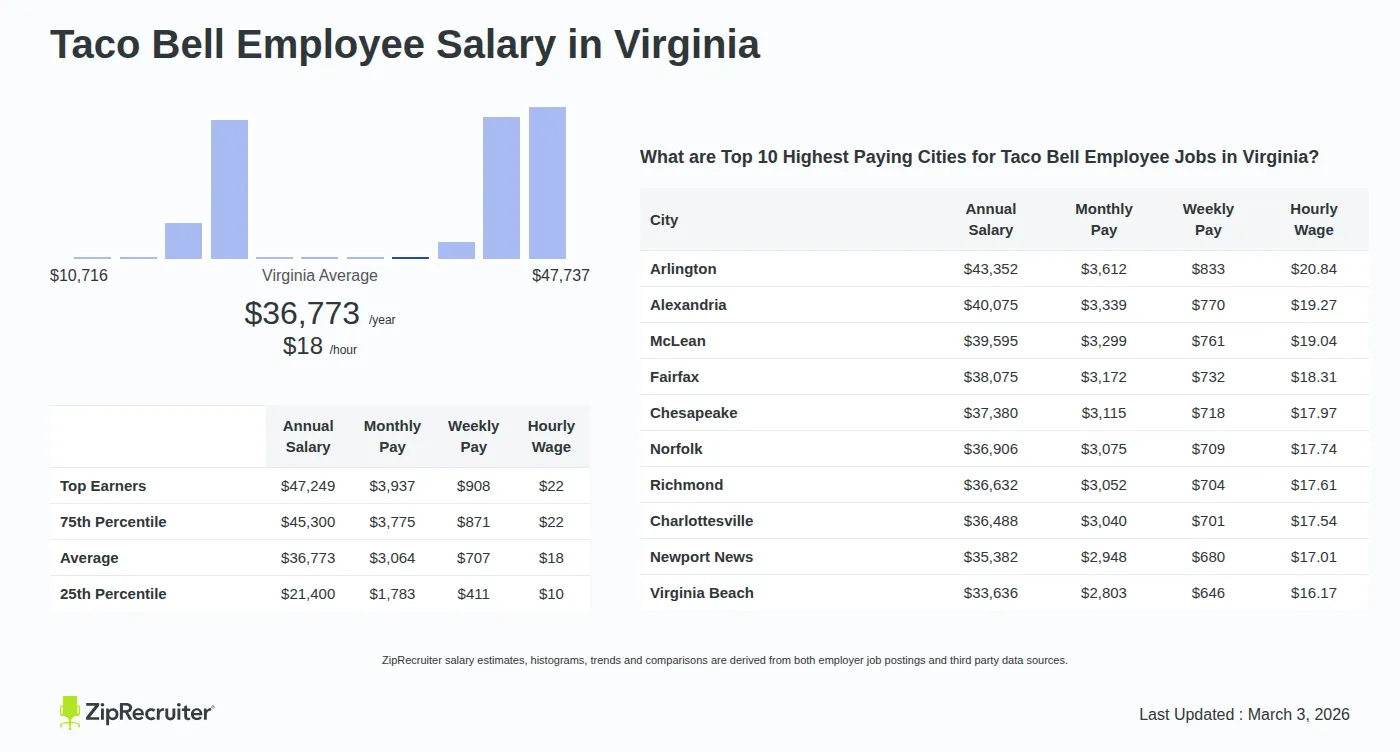
For store managers comparing their own compensation to a corporate move, this is the real difference. Restaurant jobs are often judged by hourly rate alone, but headquarters roles are built around a wider net of support, time off, and family leave. In a labor market where minimum wage debates and pay equity questions keep shaping how people think about food service work, that gap matters.
The jobs behind the logo
Taco Bell’s corporate careers page makes clear that headquarters is not just paperwork and meetings. It lists Technology, Marketing, Development, Food Innovation, Operations, and Legal as core functions. That is important because it tells restaurant leaders that the next step does not have to mean leaving the brand for a generic office job. The corporate side still touches the product, the app, the supply chain, the restaurant experience, and the legal structure that keeps the system running.
For a manager on the floor, the leap into one of those roles usually comes down to whether you can translate restaurant experience into business language. Someone who has handled labor scheduling, coach-and-correct moments, food safety, speed of service, and shift accountability is already working with the raw material headquarters values. The next step is proving you can think beyond one store: how a menu launch lands, how a digital order changes labor needs, how a new process affects throughput, or how an operator reacts to a policy change.
That is where franchise versus corporate dynamics matter. A corporate role may sit in Irvine and shape the system, while a franchise owner runs restaurants with their own economics and obligations. Taco Bell is signaling that both tracks are open, but they are not the same job. Headquarters is about strategy, support, and scale. Franchise ownership is about operating capital, risk, and the discipline of running a business across the P and L.
What a restaurant manager needs before making the jump
The strongest candidates for corporate or support-function roles are usually the ones who already do more than keep the line moving. They know how to train new hires, steady a shift when staffing is thin, and solve problems without waiting for a district manager to arrive. They have probably had to explain labor, food cost, or service standards in plain language, which is exactly the kind of communication corporate teams rely on.
- Clear leadership under pressure, not just fast execution
- Comfort with numbers, especially labor, sales, and waste
- Experience coaching shift leads and crew, not just supervising them
- Interest in broader systems, such as technology, menu development, or operations
- The ability to work across functions, from field leadership to support teams
A Taco Bell restaurant manager trying to move up should be able to show a few things:
The corporate careers page gives that path some shape because it shows there is room for people who started close to the restaurant business and grew into broader responsibilities. That is why the HQ perks page should not be read as a perk brochure. It is a map of the company’s internal ladder.
The talent pipeline is getting clearer
Taco Bell has been making that ladder more visible. In October 2025, the company said more than 150 leaders across the system were enrolled in a six-month leadership program, and it tied that effort to its 250,000+ team members. That scale matters. It means development is not being framed as a one-off opportunity for a handful of rising stars, but as part of how the brand wants to keep people moving through the system.
The company’s Taco Bell Business School pushes that idea further. Launched in January 2022 with the University of Louisville and the Yum! Center for Global Franchise Excellence, the six-week program was designed to teach restaurant leaders the basics of franchise ownership. That is a different kind of ambition from a traditional training track. It says the brand wants people who know the restaurant world to imagine themselves not just as managers, but as owners.
The Live Más Scholarship program drives the same point home. It supports Taco Bell fans and team members ages 16 to 26, which means the company is not only thinking about current employees but about future ones. In 2024, Taco Bell said up to $14 million would be distributed in 2025, up from $10 million the year before. By October 2025, it said the 11th annual cycle would reach an estimated $14.5 million, the largest amount in the program’s history. On April 21, 2026, the Taco Bell Foundation said it had awarded a record $14.5 million to its largest class of scholars to date, with 41,000+ applicants.
Why this resonates now
Taco Bell was founded in 1962, and the company has leaned hard into its history even as it tries to sell a modern career ladder. Its original restaurant in Downey, California, was moved to the Irvine headquarters area in 2015 and preserved there, a physical reminder that this is still a restaurant company at heart. That backdrop makes the HQ perks page feel less like a corporate flex and more like a statement about where the brand thinks opportunity should live.
For people inside the system, the practical takeaway is straightforward. Restaurant work may be the entry point, but it is not the only path. The company is laying out routes into operations, technology, food innovation, marketing, legal, and franchise ownership, while pairing those routes with benefits that look much closer to a white-collar career. In an industry where workers are constantly weighing wage floors against schedule stability, leave policies, and long-term growth, that distinction is not cosmetic. It is the difference between a job that ends at the clock-out and a career ladder that can actually reach somewhere.
This article was produced by Prism’s automated news system from verified source data, official records, and press releases, then run through automated quality and moderation checks before publishing. The system is built and supervised by the people who set the standards it runs under. Read our full AI policy.
Did this article answer your question?