Restaurant hiring and onboarding could boost Taco Bell speed, retention
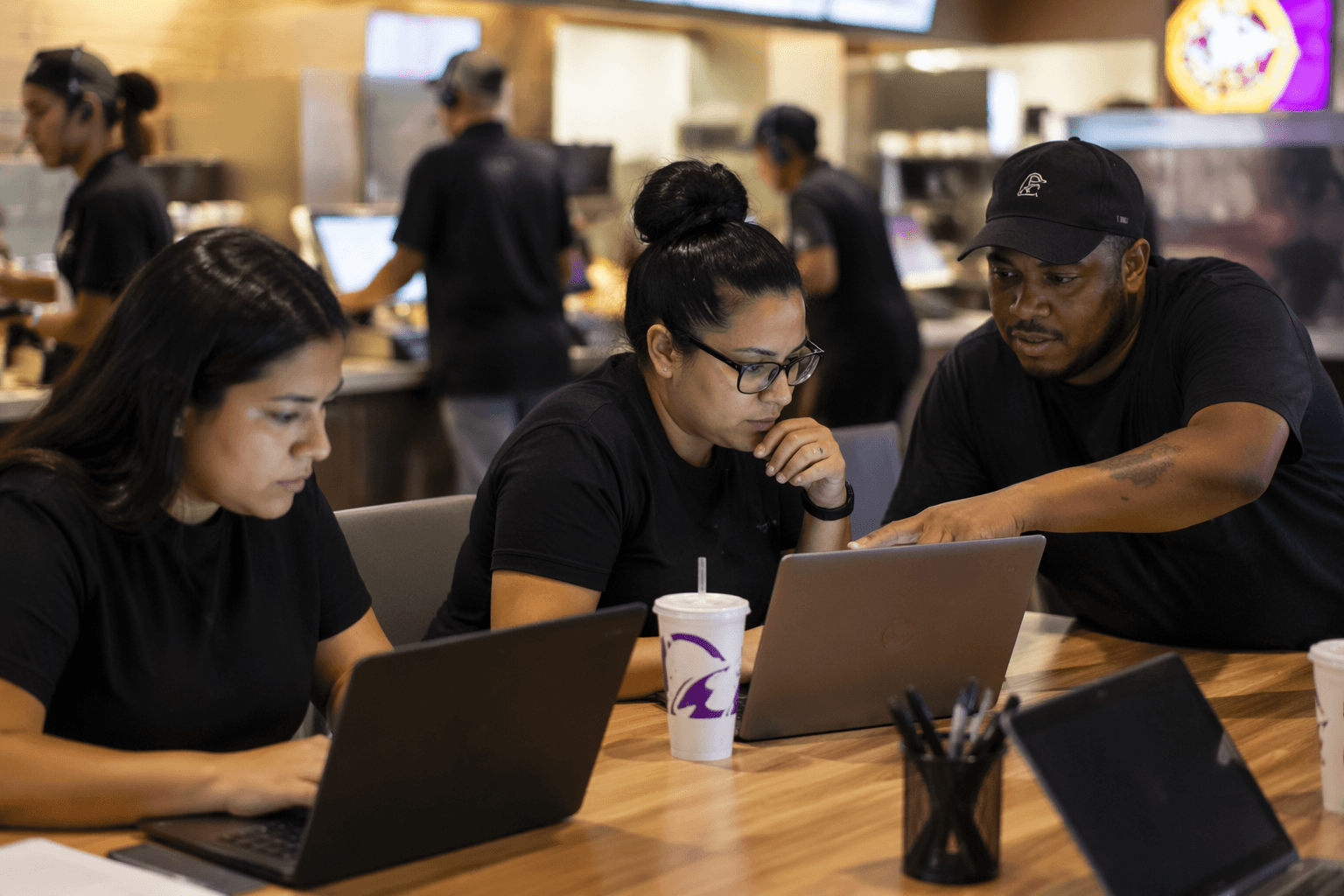
Taco Bell’s real labor edge may come from hiring and onboarding, not just tighter labor cuts. Better training and steadier staffing can lift speed, cut overtime and keep guests moving.
Why staffing belongs in the profit conversation
Hiring at Taco Bell is not just a labor problem. It is a speed problem, an overtime problem and a retention problem, and the stores that treat it that way are usually the ones with steadier service and fewer fire drills. The National Restaurant Association’s new staffing research makes the same point from a broader industry angle: the workforce is the biggest long-term investment restaurants can make, and the payoff comes from better onboarding, stronger managers and technology that supports the operation instead of simply watching it.
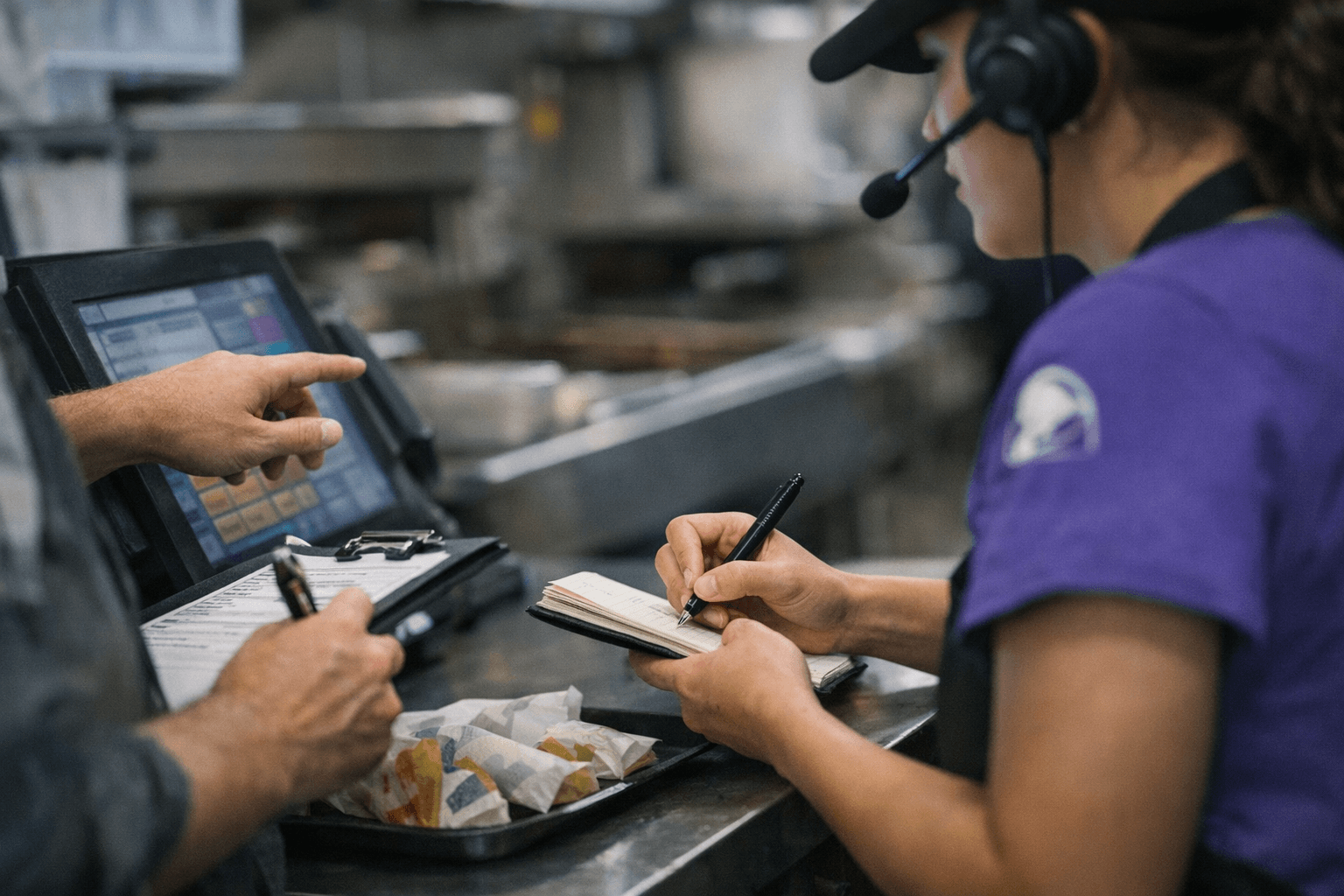
That matters on a Taco Bell line because the brand lives and dies by consistency. A busy value-menu rush, a late-night spike, a limited-time offer or a wave of digital orders can swamp a short-handed store fast. When staffing gets thin, speed drops, accuracy slips and managers get pulled away from coaching and into the scramble of covering gaps. That is how labor savings can turn into lost throughput, higher rework and a worse guest experience.
The real cost of a bad hire is not just wage dollars
The most useful part of the research is its insistence on looking at return on investment, break-even timelines for new hires, understaffing costs and the cost of early turnover. That is the right lens for Taco Bell because the first few weeks of a hire do not just set the tone for morale. They determine whether the store gets a productive crew member or a constant churn cycle that burns time, energy and payroll.
Early turnover is especially expensive in quick-service restaurants. Every person who leaves before they are fully trained creates another round of interviewing, scheduling, shadowing and retraining, all while the rest of the team absorbs the gap. For a shift manager, that means more overtime, more stress on the strongest workers and less time spent on the habits that actually improve the store, like prep discipline, drive-thru timing and order accuracy.
The break-even point on a new hire is the number Taco Bell leaders should keep in mind. If onboarding is weak, that break-even point keeps moving farther out because the store pays to train people who never become stable contributors. If onboarding is strong, a crew member gets to useful faster, the manager gets time back and the store stops leaking money through repeated vacancies.
What better onboarding changes on the floor
Strong onboarding is not a feel-good HR project. It is a practical tool for lowering first-week confusion, reducing mistakes and getting a new hire into the rhythm of the restaurant before the schedule starts to wobble. At Taco Bell, that matters because the work is layered: order taking, make line, fry station, drive-thru, cleanup and digital flow all compete for attention during the same rush.
The research points to empowered managers as a key part of the solution, and that is where many stores either win or lose. A manager who can coach, sequence tasks and spot training gaps early can turn a nervous first shift into a productive second week. A manager who is constantly plugging holes usually trains by accident, which means the crew learns whatever the rush allows, not what the store actually needs.
For crew members, that difference is huge. Better onboarding usually means less chaos, clearer expectations and a better shot at getting promoted from the floor into leadership. In a restaurant where hourly pay debates, minimum wage changes and overtime exposure can shape whether people stay, a smoother first month can be the difference between a dead-end job and a place where someone can build a shift-lead path.
Where the P&L feels staffing quality
This is where the story stops sounding like an HR memo and starts sounding like a store P&L. Better staffing shows up in lower overtime, fewer missed orders, faster throughput and a cleaner guest experience. It also shows up in the hidden places managers know too well, like fewer comps from mistakes, less waste from rushed prep and fewer angry fixes at the window.
A Taco Bell store that is properly staffed can absorb the unpredictable parts of the day: a lunch surge, a late-night rush, a broken callout, a new LTO or a burst of delivery tickets. A store that is undertrained or undercovered tends to pay for the shortage twice, first in lost speed and then in the extra labor needed to recover. That is why understaffing is not a savings strategy, even if it looks cheaper on paper for a shift or two.
The report’s emphasis on technology also matters, but only if the tools are used to support the team. Scheduling software, forecasting tools and onboarding systems can help managers line up labor with demand, yet they do little if the people on the floor still face a confusing first week or a manager who has no time to coach. Technology should shorten the path to productivity, not turn staffing into another layer of surveillance.
What Taco Bell managers can take from the lesson
For restaurant managers and shift leaders, the playbook is less complicated than it sounds. The store needs enough people, trained early enough, to keep service moving without turning every shift into a rescue mission. The gain is not just morale, it is operating margin.
A practical Taco Bell staffing playbook looks like this:
- Hire with the break-even point in mind, not just the immediate hole in the schedule.
- Tighten onboarding so new hires learn the rush before the rush learns them.
- Give shift managers enough authority to coach, adjust and stabilize the floor in real time.
- Use staffing technology to forecast and support labor, not just to monitor compliance.
- Watch overtime, accuracy and guest wait times together, because those numbers rise and fall together.
Franchise and corporate stores may feel the pressure differently, but the math is the same. If a franchisee is trying to protect labor dollars or a corporate operator is chasing consistency, the store still depends on people who can execute under pressure. A cheaper payroll is not a victory if it leaves the line too thin to keep up with demand.
What this means for Taco Bell workers
For crew members, this kind of staffing strategy can be a real quality-of-life issue. Better hiring systems usually mean fewer bad shifts, less confusion on day one and less of the informal hazing that sometimes passes for training in fast food. It can also mean more reliable hours, less last-minute scrambling and a better path toward lead and manager roles.
For managers, the message is harder but clearer: retention is not separate from performance. If people quit before they become productive, the store loses money, time and momentum. If onboarding works, staffing becomes a growth tool instead of a weekly crisis.
That is the real shift in the restaurant labor conversation. The smartest stores are not asking how cheaply they can staff a schedule. They are asking how quickly they can turn a new hire into someone who protects speed, preserves accuracy and keeps the guest line moving.
This article was produced by Prism’s automated news system from verified source data, official records, and press releases, then run through automated quality and moderation checks before publishing. The system is built and supervised by the people who set the standards it runs under. Read our full AI policy.
Did this article answer your question?