EEOC guide outlines Taco Bell ADA accommodation rules for restaurants
EEOC guidance makes clear Taco Bell cannot treat disability accommodations as an afterthought. In a restaurant built on speed, the legal test is whether managers can adjust the job without shutting workers out.

What the EEOC guide means for Taco Bell
The EEOC’s restaurant guidance is blunt about a point many shift leads still miss: the ADA applies to food service employers, and qualified workers and applicants are protected from discrimination. For Taco Bell crews, that means disability requests are not a side issue or a favor from management. They are part of the ordinary business of staffing a restaurant, setting schedules, and keeping the line moving safely.
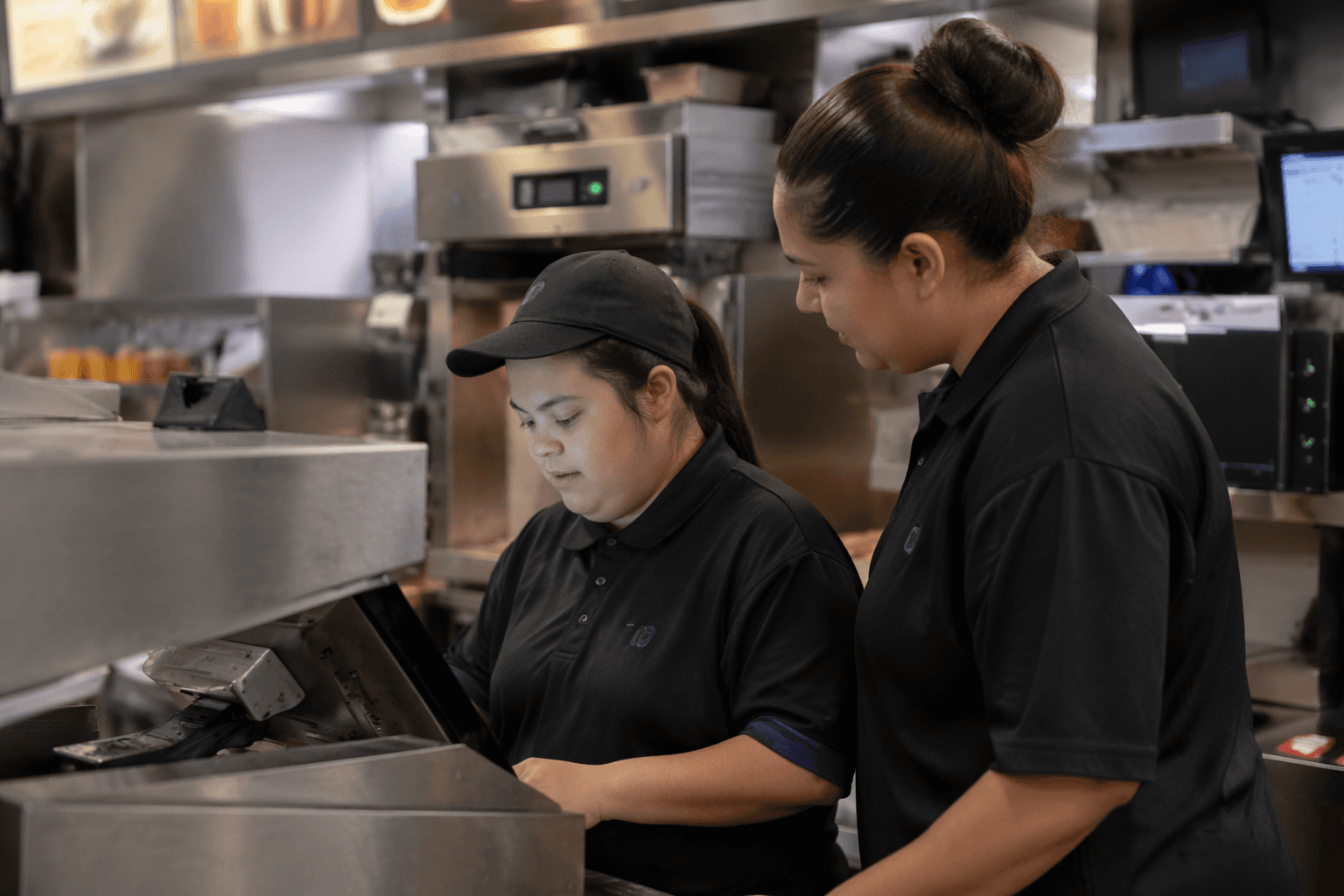
The agency said it created the restaurant guide because food service employers and workers were frequently asking how ADA requirements intersect with FDA food-safety rules. That is the real pressure point in restaurants like Taco Bell, where managers often assume that anything involving disability accommodation will conflict with speed, sanitation, or food quality. The EEOC worked with the Food and Drug Administration to address that overlap, because restaurants are expected to follow both sets of rules at once.
Why the guidance matters even though the fact sheet was rescinded
The restaurant-specific fact sheet was later rescinded as part of the EEOC’s effort to keep guidance current, accurate, and clear. That does not erase the underlying legal framework. The EEOC still says Title I of the ADA requires employers to provide reasonable accommodation to qualified individuals with disabilities unless doing so would create an undue hardship.
For Taco Bell managers, that means the right question is not whether an employee has asked for something “extra.” The right question is whether the worker can do the job with a workable adjustment. In a fast-food setting, that can determine whether a crew member stays on the schedule, whether a shift manager can keep a team intact, and whether a store avoids the kind of conflict that drives turnover.
What accommodations can look like in a Taco Bell restaurant
The EEOC’s restaurant guide gives concrete examples that fit directly into Taco Bell operations. An accommodation can mean changing the application process, changing the way a job is performed, or adjusting parts of the job such as employer-sponsored training, benefits, or social events. In other words, the law is not limited to dramatic equipment changes or expensive remodels.
It can also mean job restructuring, modified work schedules, reassignment to a vacant position, or modification of equipment or devices. In a Taco Bell store, that might translate into a worker taking a different station, getting more time to learn a process, moving to a schedule that fits a disability-related limitation, or having the job divided differently so the employee can still perform the core duties. The point is not to lower standards. It is to make the standards accessible to qualified people.
That matters because restaurant work is often built around rigid routines and high pace. Managers sometimes treat flexibility as impossible when the line is busy, but the ADA framework expects an actual conversation, not an automatic no. A worker does not have to arrive with a perfect legal memo. The employer’s job is to understand the limitation, identify the essential functions, and look for a practical path.
What Taco Bell leaders should do when a request comes in
A manager should not guess, dismiss the request, or make it personal. The correct response is to listen, clarify what the employee needs, and compare that need against the duties of the role. In a restaurant, that can mean looking at whether a different station, a schedule change, or a training adjustment would let the worker do the job safely and effectively.
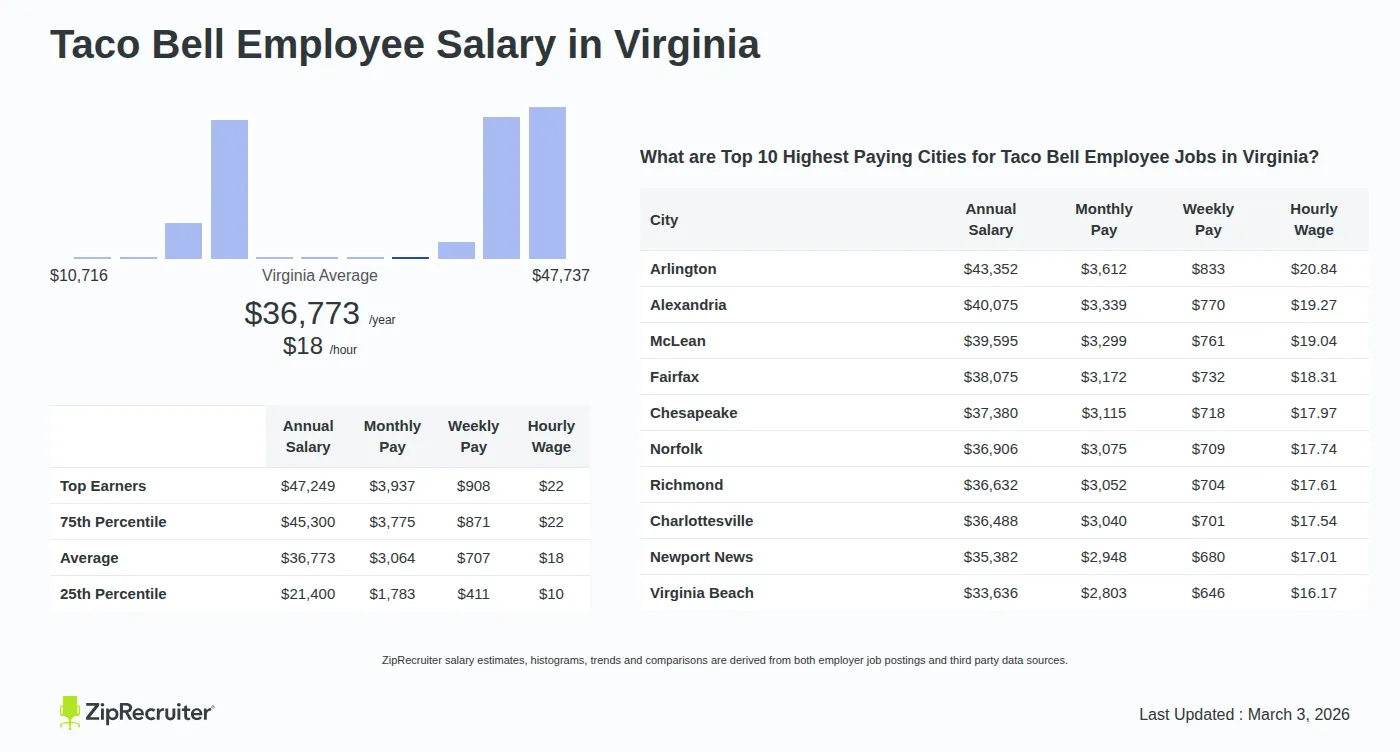
That process matters for retention as much as compliance. When managers mishandle requests, workers often stop asking for help, stop trusting the schedule, or leave entirely. That churn hits stores hard, especially in a labor market where pay debates and minimum wage changes already make every shift count. A restaurant that loses a trained crew member because a simple accommodation was never explored ends up paying for that mistake in turnover, training, and service consistency.
There is also a discrimination risk when leaders treat accommodation as a hassle or a character issue. The ADA says discrimination against people with disabilities persists in employment and other critical areas of public life. Taco Bell stores are not exempt from that reality just because the job is fast paced or because a franchise operator wants a cleaner labor story on paper than on the schedule board.
The money side of accommodation is not always what managers assume
One reason accommodation requests get mishandled is cost anxiety. The IRS says some eligible small businesses may qualify for the Disabled Access Credit if they had $1 million or less in gross receipts or no more than 30 full-time employees in the prior year. That does not make every accommodation cheap, but it undercuts the assumption that every adjustment is a budget-killer.
That point matters in restaurant systems where franchise operators often run thin margins while corporate branding talks about inclusion. Many Taco Bell locations are franchised, which means day-to-day implementation can vary store by store even under the same brand. When a franchise manager says a request is impossible, the real issue may be willingness and process, not law or economics.
How Taco Bell’s public messaging fits the legal obligation
Taco Bell’s careers page says the company aims to “create space for everyone” across restaurants and corporate roles. Yum! Brands says Taco Bell is one of its major restaurant brands in a global portfolio operating in more than 155 countries and territories. That scale matters because accommodation policy is not just a human resources line on a website. It is a frontline management issue across a massive system.
Taco Bell also has a public accessibility statement for its website and mobile app, which reinforces the broader point that access is part of the company’s public posture. But accessibility language only carries weight if the same spirit reaches the crew room, the training schedule, and the shift assignment process. Workers judge compliance by what happens when they ask for help, not by what a careers page promises.
What Taco Bell crews and managers should take from the EEOC’s framework
For workers, the message is simple: if a disability-related limitation affects how you apply, train, work, or attend required activities, that can be part of the accommodation process. For managers, the message is equally clear: do not force a worker to choose between their health and their job when a workable adjustment may exist. The ADA requires a real effort to find a solution unless that solution would create an undue hardship.
In a Taco Bell restaurant, that is where rights and operations meet. A store that handles accommodation well protects its labor pipeline, keeps experienced workers on the floor, and reduces the risk of discrimination claims. A store that treats disability requests as a distraction does the opposite, and the cost shows up in staffing, morale, and the daily business of serving customers.
This article was produced by Prism’s automated news system from verified source data, official records, and press releases, then run through automated quality and moderation checks before publishing. The system is built and supervised by the people who set the standards it runs under. Read our full AI policy.
Did this article answer your question?