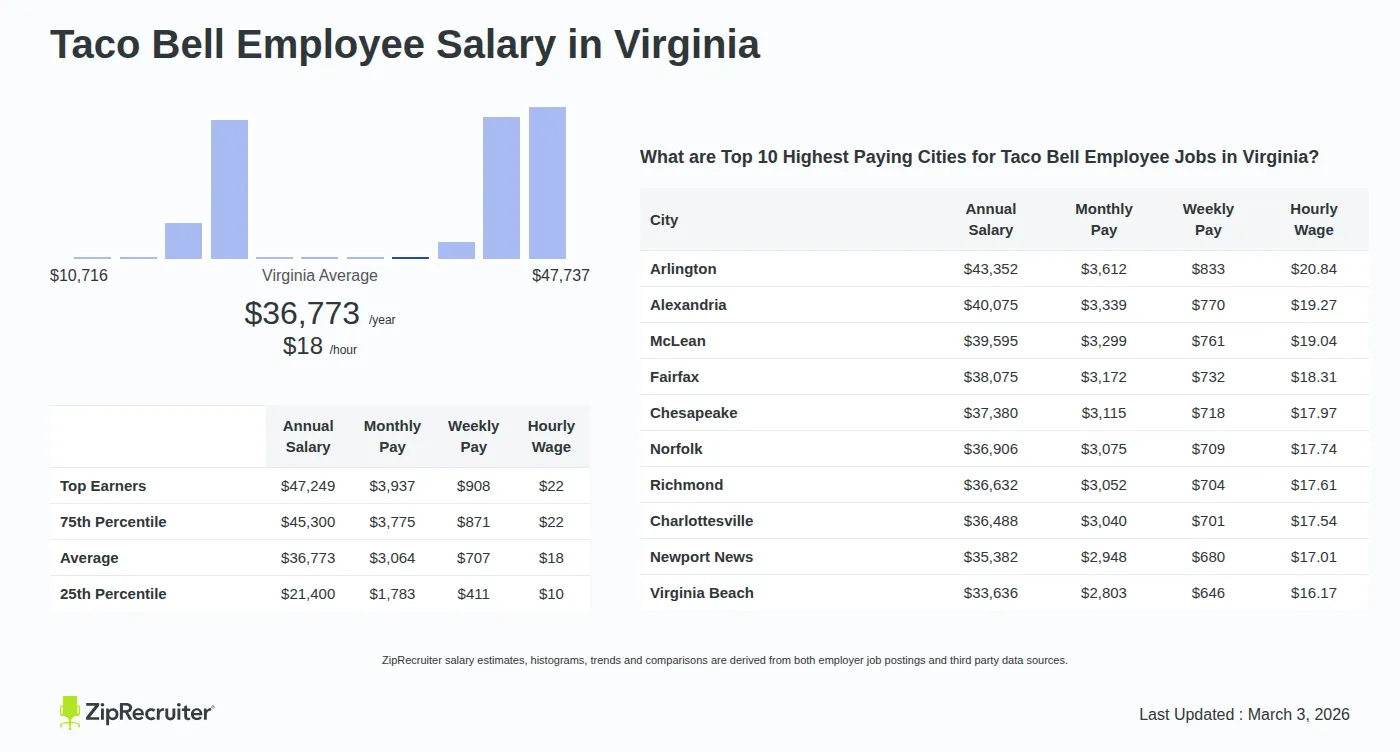
Executive turnover at rivals could reshape Taco Bell hiring competition
Domino’s and Wendy’s leadership shakeups could sharpen the fight for Taco Bell managers, lifting pressure on pay, promotions, and retention across QSR.
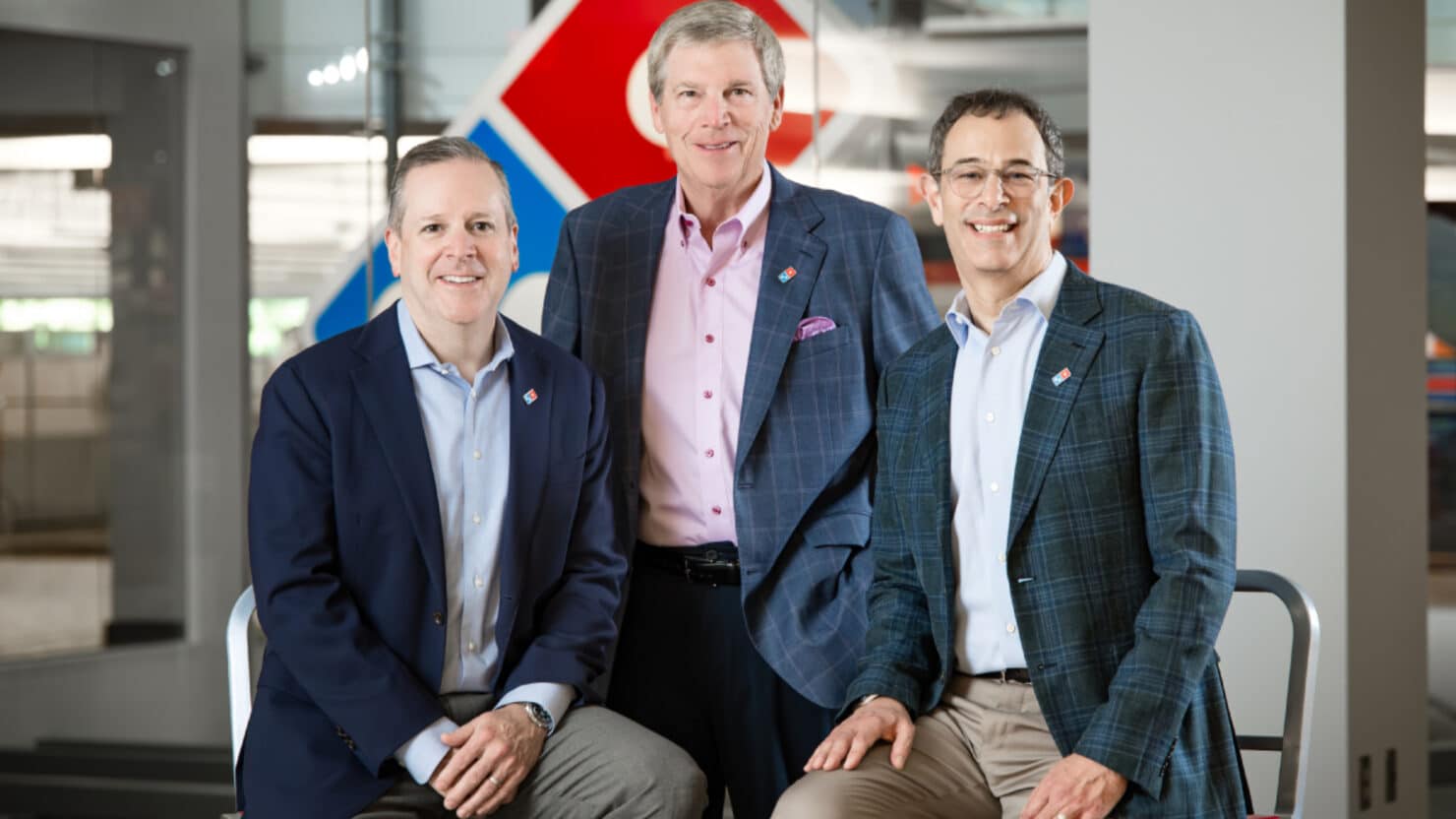
Domino’s CEO Russell Weiner is retiring, and Wendy’s has brought in Steve Cirulis as chief financial officer. For Taco Bell, the people watching closest are often the operators and managers who know that leadership changes can quickly alter recruiting budgets, expansion plans, and the kind of offers rivals make to steal talent.
Why rival shakeups matter inside a Taco Bell restaurant
A new CEO or CFO can change how aggressively a chain hires, how fast it opens units, and how much it spends on technology or labor. That matters on the crew line and in the office, because the same moves that help a rival look sharper to investors can also create openings for recruiters to target shift leads, assistant managers, and restaurant managers with promises of better schedules, better pay, or a faster jump to salaried roles.
For Taco Bell employees, the most immediate effect is usually not a headline-grabbing policy shift. It is a tighter labor market for people who already know how to run a drive-thru, manage food safety, and keep labor costs in line, especially when competitors are resetting their leadership teams and trying to prove momentum. In QSR, that kind of churn can ripple outward fast, from local stores to regional operations teams and support-center staff who handle hiring, training, finance, and field support.
Taco Bell is trying to make the internal path more valuable than the outside offer
Taco Bell has spent the last year making a different message louder: stay here, and the promotion path can move quickly. In September 2025, Yum! Brands expanded Sean Tresvant to chief consumer officer while he remained CEO of Taco Bell, and Meg Farren started as president of Taco Bell North America in 2025 after leading KFC U.K. and Ireland.
At company-owned restaurants, 67% of restaurant leadership roles were filled through internal promotion in 2025, team-member retention improved 17% year over year, and restaurant general manager vacancy fell 27%, Taco Bell says. The brand says general managers spend an average of 10 years with Taco Bell, and top-performing team members are promoted to their next role in under a year on average.
If a shift lead sees that a company-owned store is promoting from within and that high performers can move in less than a year, the outside offer from another chain has to compete with something more concrete than a slogan. It has to beat an actual path to more responsibility, more predictable hours, and a better long-term paycheck.
Where poaching pressure is likely to show up first
The most vulnerable workers are often the ones who already run the show when the manager is tied up in a labor issue or a delivery backlog. Shift leads, assistant managers, and restaurant managers are the people rivals try to pull first, because they already understand throughput, scheduling, and crew coaching. If another chain is in transition, the pitch can get sharper: come over now, help us reset, and you may move up faster than you would in a stable organization.
Support-center staff are in the mix too. A new CFO or CEO can change the pace of technology upgrades, staffing models, and reporting expectations, which can either create new openings or make existing teams feel squeezed. At the unit level, that can show up as more pressure on labor targets, faster scheduling changes, or different expectations around digital orders and service times, all of which can feed retention problems if managers feel they are being asked to do more without a matching title or pay bump.
Franchise and corporate dynamics matter here as well. Taco Bell’s internal promotion and retention figures are tied to company-owned restaurants, so franchise operators cannot assume the same results will automatically apply in every market. Franchisees that are trying to hold onto experienced leaders often end up competing with both Taco Bell company stores and neighboring chains, and in a labor market shaped by minimum wage debates and ongoing pay compression, the gap between a restaurant manager offer and an assistant manager offer can become the difference between staying and leaving.
Why Taco Bell’s sales and menu momentum matter to workers, not just investors
Taco Bell U.S. same-store sales grew 7% in the fourth quarter of 2025 and for full-year 2025, and the chain says that stretch was part of 20 consecutive quarters of industry-leading same-store sales growth. That kind of momentum gives the brand more room to argue that internal promotions, training, and wage investment are part of a winning model rather than a cost center.
The company has also used product theater to keep its brand heat high. The Mexican Pizza returned in 2022 after strong fan demand and later became a permanent menu item, a reminder that Taco Bell still knows how to turn customer attention into traffic. Strong traffic can translate into more hours, more urgency around staffing, and more pressure on managers to keep service moving during busy periods.
The Taco Bell Foundation awarded $14.5 million in Live Más Scholarships in 2026 to more than 1,500 students, including more than 400 Taco Bell team members. Taco Bell has more than 250,000 U.S. team members, and its careers site is built to help employees grow into Team Member or Restaurant Manager roles.
This article was produced by Prism’s automated news system from verified source data, official records, and press releases, then run through automated quality and moderation checks before publishing. The system is built and supervised by the people who set the standards it runs under. Read our full AI policy.
Did this article answer your question?