FDA Food Code sets safety standards for Taco Bell workers
The FDA’s 2022 Food Code is the playbook behind the hot-hold, handwashing and date-marking rules that can make or break a Taco Bell rush.
The fastest way to get tripped up on a Taco Bell shift is not some obscure rule. It is the basics that get squeezed when the line is packed: holding food at the right temperature, keeping raw and ready-to-eat items apart, washing hands at the right moments, and pulling anything past its date before it reaches a customer.
That is where the FDA Food Code comes in. The agency says the code is its model for safe food handling in retail and food service, and that it provides the scientific and legal basis state, local, tribal and federal regulators use when they update restaurant food-safety rules. The 2022 Food Code is the 10th edition and marks 30 years of the code in its current format. FDA says it has helped reduce the risk of foodborne illness in retail establishments.
For a Taco Bell crew, the rules show up in the middle of ordinary work. A shift leader has to watch whether foods stay in the proper temperature zone, whether gloves and handwashing are happening consistently, whether utensils and prep areas are separated, and whether the crew is controlling allergen and contamination risks. The same checklist matters whether the store is slammed at lunch or grinding through late-night drive-thru orders: clean and sanitized surfaces, separate handling of ready-to-eat food, and date marking on items that are held and reused.
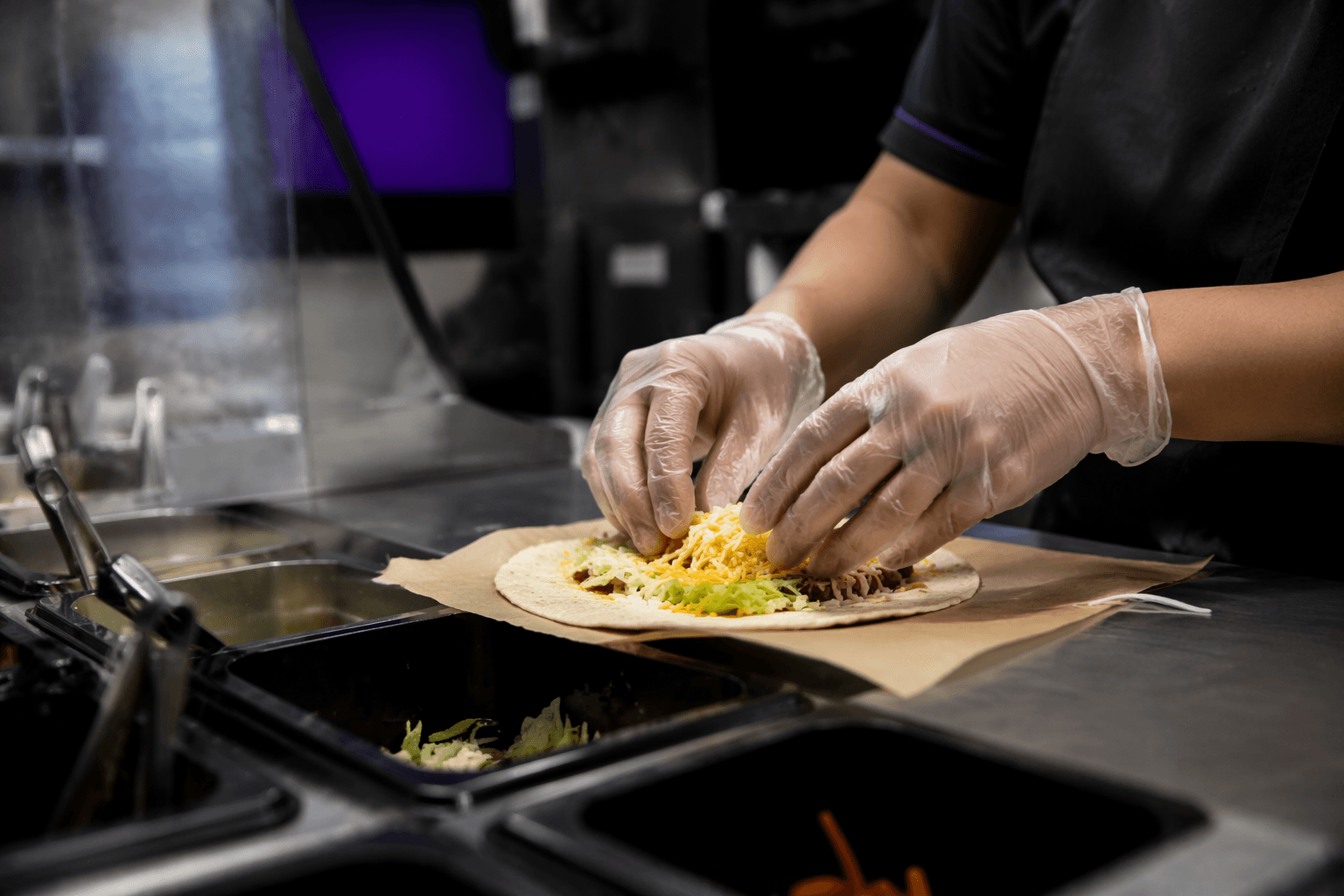
FDA’s employee health handbook says those habits help prevent food workers from spreading bacteria and viruses such as Salmonella and norovirus. The agency’s date-marking materials also point directly to Food Code section 3-501.17 for ready-to-eat, time and temperature control for safety foods. In plain terms, if food is meant to be kept and reused, it needs a clear clock on it. That is the kind of detail that can keep a store moving safely and keep inspectors from writing up avoidable mistakes.
Taco Bell says food quality and safety are top priorities, and says it has worked with suppliers, industry experts, regulatory groups and competitors to improve food safety. The company also tells customers that peanuts, tree nuts, fish and shellfish are not used in its regular menu items, while warning that cross-contact can happen and that some limited-time items may contain allergens. That makes prep discipline more than a back-of-house habit. It is part of the customer-facing product.
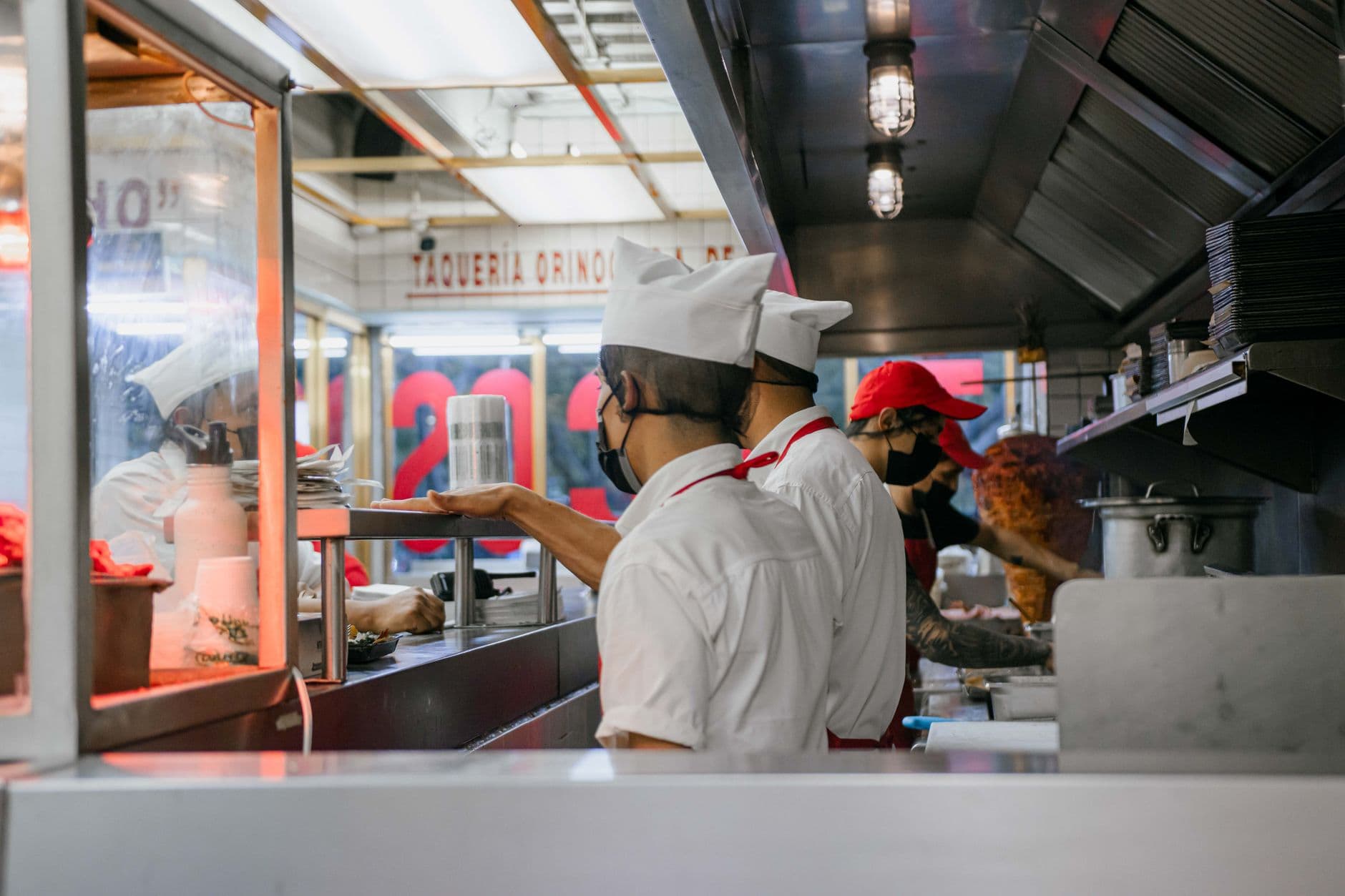
FDA says the Food Code works best when states and localities adopt the latest version, because complete adoption can promote uniform standards and reduce compliance confusion. For Taco Bell workers, that means the pressure on a busy shift comes from a broader rulebook, not just store policy. The habits that keep the line moving are also the habits that keep the store open.
This article was produced by Prism’s automated news system from verified source data, official records, and press releases, then run through automated quality and moderation checks before publishing. The system is built and supervised by the people who set the standards it runs under. Read our full AI policy.
Did this article answer your question?