Federal Labor Law Protects Taco Bell Workers Who Discuss Wages, Organize
One misstep by a shift manager, from questioning a crew member about pay talk to an overbroad social media policy, can trigger a federal unfair labor practice charge; here is what every Taco Bell location needs to know.
A Taco Bell shift manager who pulls a crew member aside to ask why they were comparing paychecks with a coworker has just stepped into federal legal exposure. That single conversation, if perceived as coercive interrogation, can become the basis of an unfair labor practice charge filed with the National Labor Relations Board. For franchise operators running dozens of locations, the compliance risk is not theoretical. It lives in the break room, in the group chat, and in the employee handbook's social media section.
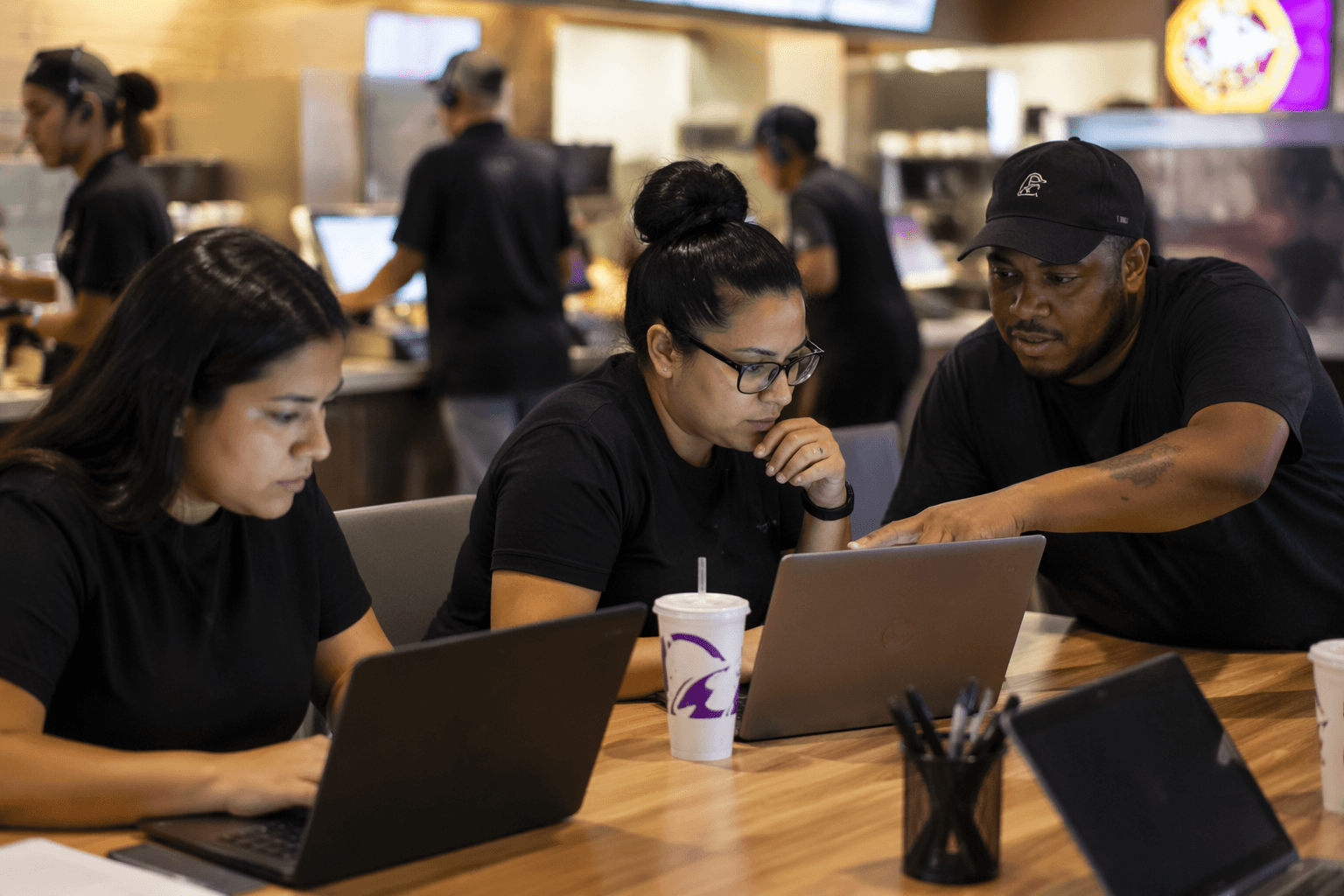
The National Labor Relations Act covers most private-sector workers in the country, and that coverage runs deep into the Taco Bell org chart: crew members, shift leads, and many restaurant managers who lack genuine supervisory authority are all protected. Understanding where those protections begin and end is no longer optional for operators. It is table stakes for staying out of federal proceedings.
What Federal Law Actually Protects
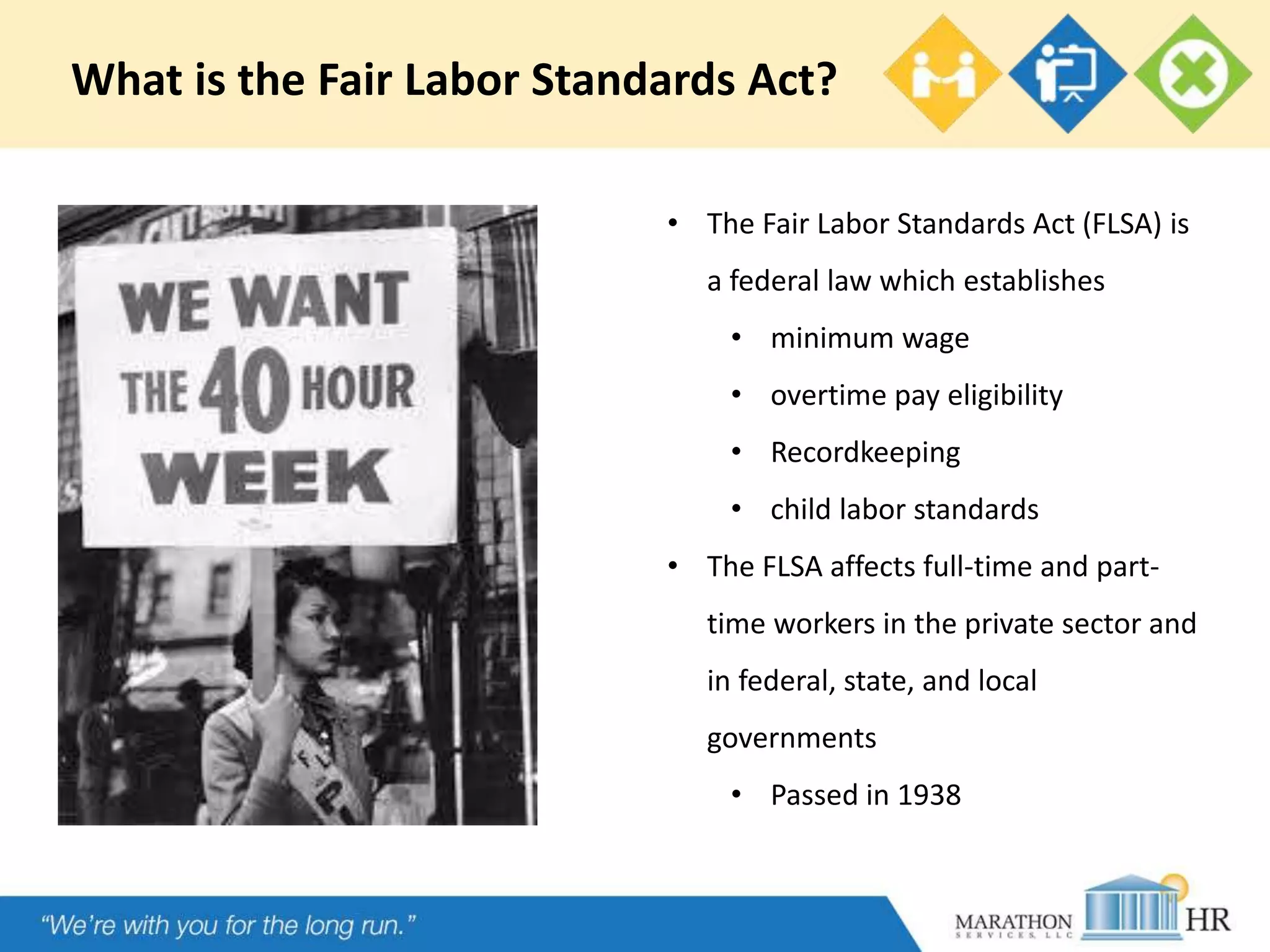
The NLRB's "Rights We Protect" materials summarize the core protections under the NLRA that apply to most private-sector employees, including Taco Bell crew, shift leads, and non-supervisory restaurant managers. The rights highlighted include the right to discuss wages, hours, and working conditions with coworkers; the right to act together to improve workplace conditions; and protections against employer interference, coercion, or retaliation for protected concerted activity.
The NLRA also protects what is known as "protected concerted activity," which includes informal conversations among coworkers as well as more formal steps like circulating petitions or seeking union representation. In practice, that means a group text about a scheduling change, a conversation in the parking lot about whether a pay bump is fair, or a crew member asking coworkers to sign a letter about unsafe staffing levels all fall within the law's protection.
Wages are specifically identified as a vital term and condition of employment, and discussions of wages are often preliminary to organizing or other actions for mutual aid or protection.
What Crew Members Can Do: The Protected-Activity Checklist
Federal law is concrete about what is permitted. Crew members at any Taco Bell location can lawfully:
- Discuss their wages, hours, and scheduling with any coworker
- Raise concerns about workplace safety or staffing levels with colleagues or management
- Organize collectively, with or without a union, to seek better pay or conditions
- Circulate petitions or talk to coworkers about representation
- File an unfair labor practice charge if an employer retaliates for any of the above
The NLRB also makes available downloadable multilingual materials and "Know Your Rights" cards that workers can share with coworkers, and the agency's Rights We Protect page serves as the primary federal resource and starting point for workers with questions about organizing, pay discussions, or how to document a complaint.
The Documentation Habit That Can Make or Break a Case
For workers who believe their rights are being violated, the practical checklist is: document incidents with dates, times, and witnesses; keep copies of schedules and pay records; save relevant texts and emails; and contact the nearest NLRB regional office to ask about filing a charge or getting advice.
This matters because the strength of any NLRB charge rests heavily on contemporaneous records. A screenshot of a scheduling change sent the day after a crew member raised a safety concern, or a written account of a conversation with a manager who suggested overtime would "dry up" if people kept talking about wages, is precisely the kind of evidence that investigators use to assess whether unlawful retaliation occurred.
What Shift Leads and Managers Must Never Do
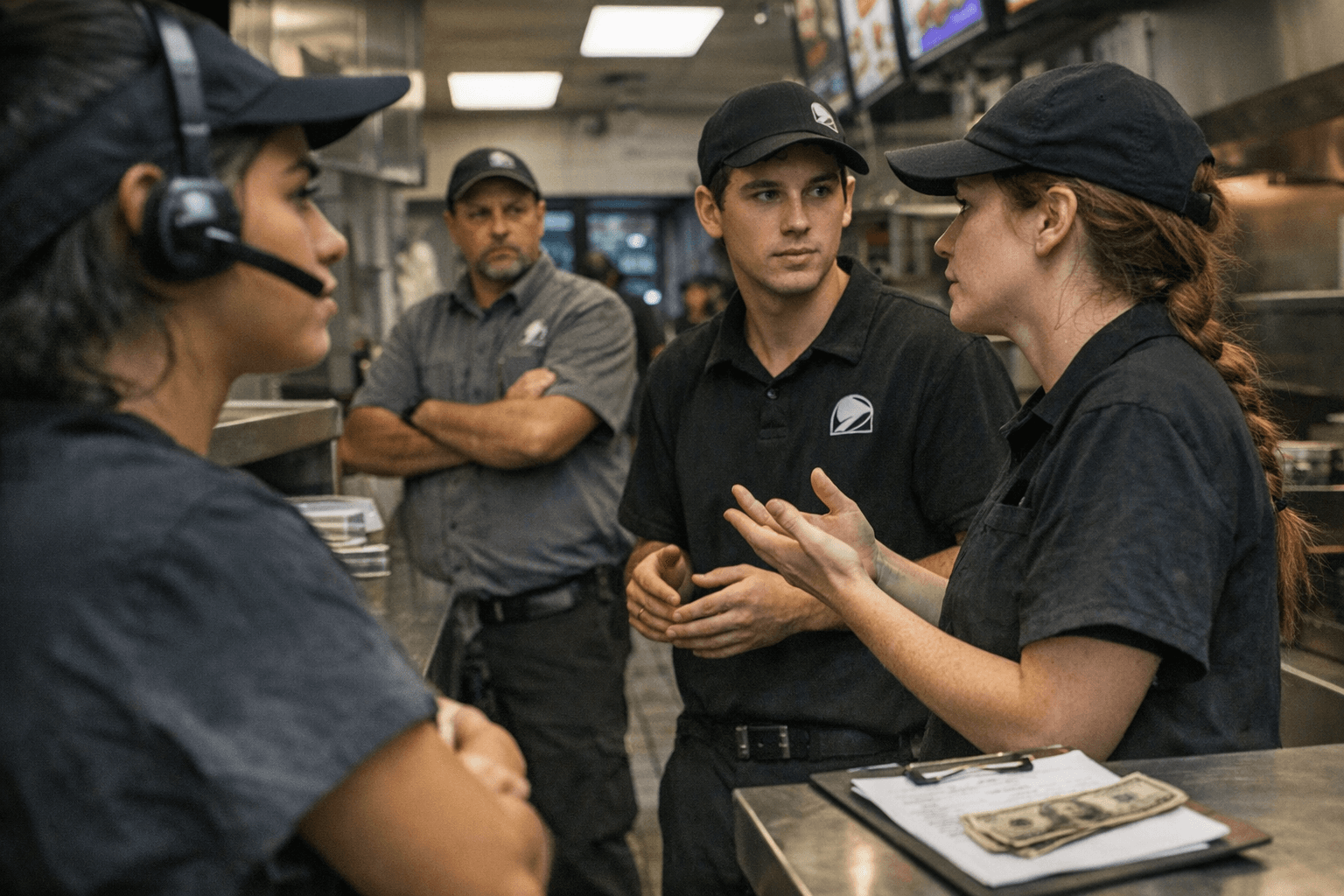
This is where franchise operators face the sharpest legal risk. The NLRA bars a specific set of management behaviors, and none of them require intent to be actionable. A manager who genuinely believed they were having a routine performance conversation can still generate a charge if the employee reasonably perceived the exchange as coercive.
The NLRA bars employers from interrogating employees about protected activity in a coercive way; threatening reprisals such as firing or reducing hours for discussing pay or organizing; promising benefits to discourage organizing; and spying on or surveilling workers engaged in concerted activity.
The prohibited conduct list for managers includes:
- Asking crew members who they have been talking to about wages or working conditions
- Suggesting that hours could be cut, or that a promotion might not come through, if employees keep organizing
- Offering a pay bump or schedule accommodation timed to discourage union interest
- Monitoring employee social media, break room conversations, or group chats to identify who is organizing
- Retaliating against a worker who filed or helped with an NLRB charge
Managers should carefully distinguish legitimate operational direction, such as setting schedules or enforcing safety rules, from statements or actions that could reasonably be perceived as threats or promises aimed at quashing protected worker discussion. When in doubt, the correct move is to escalate to franchise legal or compliance counsel, not to handle it in the moment.
The Social Media Policy Trap
Handbook language is one of the most common and underappreciated sources of NLRB exposure for franchise operators. The NLRB has consistently found that policies requiring employees to secure permission from an employer before communicating with outside parties, or that broadly prohibit discussion of employment practices with third parties such as a union or the NLRB itself, are unlawful under the NLRA. A social media policy that tells crew members not to discuss wages, working conditions, or workplace disputes online is not a confidentiality rule. It is a potential unfair labor practice written into the employee handbook.
When a Charge Gets Filed: What Operators Need to Know
Typically, a decision on the merits of an NLRB charge is made within 7 to 14 weeks, though certain cases can take longer. During this period, the majority of charges are settled by the parties, withdrawn by the charging party, or dismissed by the Regional Director.
Remedies can include reinstatement, back pay, posting of remedial notices, and orders to cease unlawful conduct. For store managers and HR, an NLRB charge typically triggers immediate preservation duties for records and a requirement not to interfere with employee testimony.
Because the NLRB enforces federal labor rights distinct from state wage or scheduling rules, crews and managers should track both tracks: an employee may have a Fair Workweek claim under state law and also an NLRA charge running simultaneously. In cities with predictive scheduling ordinances, a single disciplinary action or schedule cut can generate parallel liability at the city, state, and federal level.
Five Policy Updates Franchise Leaders Should Implement This Quarter
The compliance gap at most franchise locations is not malice; it is training lag. These five steps address the most common failure points:
1. Audit the employee handbook for overbroad language. Any clause that restricts pay discussions, prohibits contacting outside organizations, or requires management approval before crew members can communicate with coworkers about working conditions should be flagged for revision by legal counsel.
This includes social media policies.
2. Train every shift lead on what they cannot say. The most common NLRB charge in the restaurant industry begins with a supervisor's offhand remark.
A short, scenario-based training module covering coercive interrogation, implicit threats, and benefit promises should be mandatory before any shift lead handles a performance conversation.
3. Establish a clear escalation protocol. When a crew member raises a concern about wages or working conditions, shift leads should be trained to acknowledge the concern and escalate, not investigate independently.
Attempting to identify who is organizing and why is precisely the conduct the NLRA prohibits.
4. Create a records preservation policy. Because an NLRB investigation triggers immediate retention obligations, operators should have a documented litigation hold procedure that activates the moment a charge is received or credibly anticipated.
Scheduling records, disciplinary files, and communications are all discoverable.
5. Post NLRB notices prominently and in the languages your crew actually speaks. The NLRB provides required workplace postings in multiple languages.
Failure to post is itself a violation, and multilingual materials signal to a diverse workforce that their federal rights are acknowledged, not hidden.
The NLRA has been the floor for private-sector labor rights since 1935. What has changed is the pace at which a crew member's protected conversation, an ill-timed manager comment, or a poorly drafted handbook clause can move from a break room grievance to a federal proceeding. Franchise operators who treat this as an HR abstraction are one scheduling dispute away from finding out otherwise.
This article was produced by Prism’s automated news system from verified source data, official records, and press releases, then run through automated quality and moderation checks before publishing. The system is built and supervised by the people who set the standards it runs under. Read our full AI policy.
Did this article answer your question?