IRS final no-tax-on-tips rules take effect, Taco Bell workers see limited impact
Taco Bell managers will need to sort tips from service charges as the IRS no-tax-on-tips rules kick in June 12, with payroll coding now a real compliance issue.
Taco Bell managers are about to get a narrow but important compliance question from crew and franchise operators: which payments count as tips, and which ones do not. The IRS final no-tax-on-tips regulations take effect June 12, 2026, and they matter less for a traditional tipped dining room than for the messy reality of delivery orders, shared tips and payroll records.
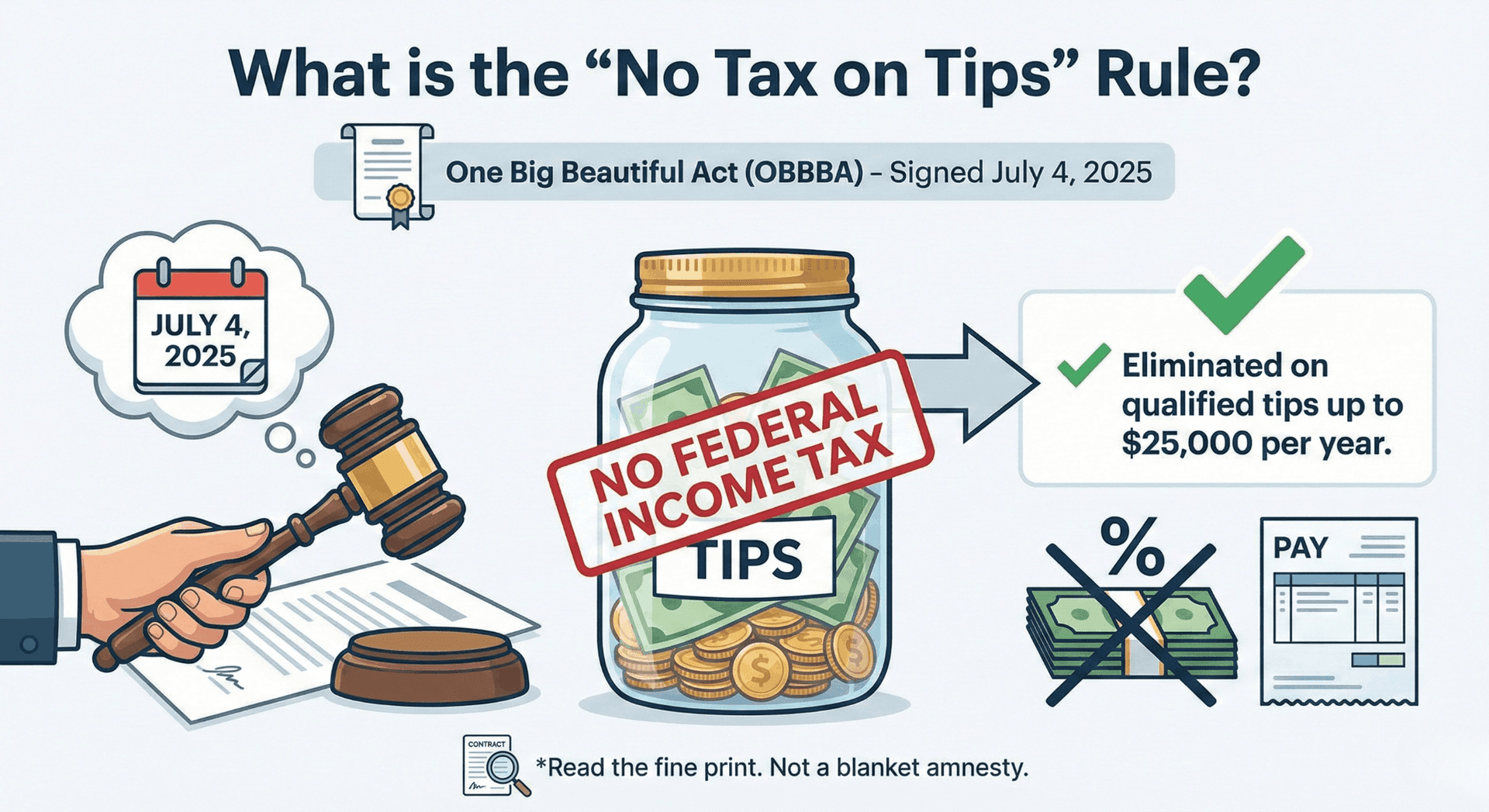
The new rules implement section 224 of the Internal Revenue Code under Public Law 119-21, the One, Big, Beautiful Bill Act. The deduction applies to tax years 2025 through 2028 and can reach up to $25,000 for qualified tips. The IRS says qualified tips are voluntary cash or charged tips received from customers, including shared tips, but automatic gratuities and mandatory service charges are not included.
That distinction is where restaurant managers can run into trouble. A Taco Bell location that adds a service fee, builds in a mandatory charge for large orders or miscodes delivery income in the point-of-sale system can create a dispute over what shows up as tip income versus regular sales. Crew members need clean records, and payroll providers need to know whether a payment was a reported tip, a charged tip or a non-tip fee.
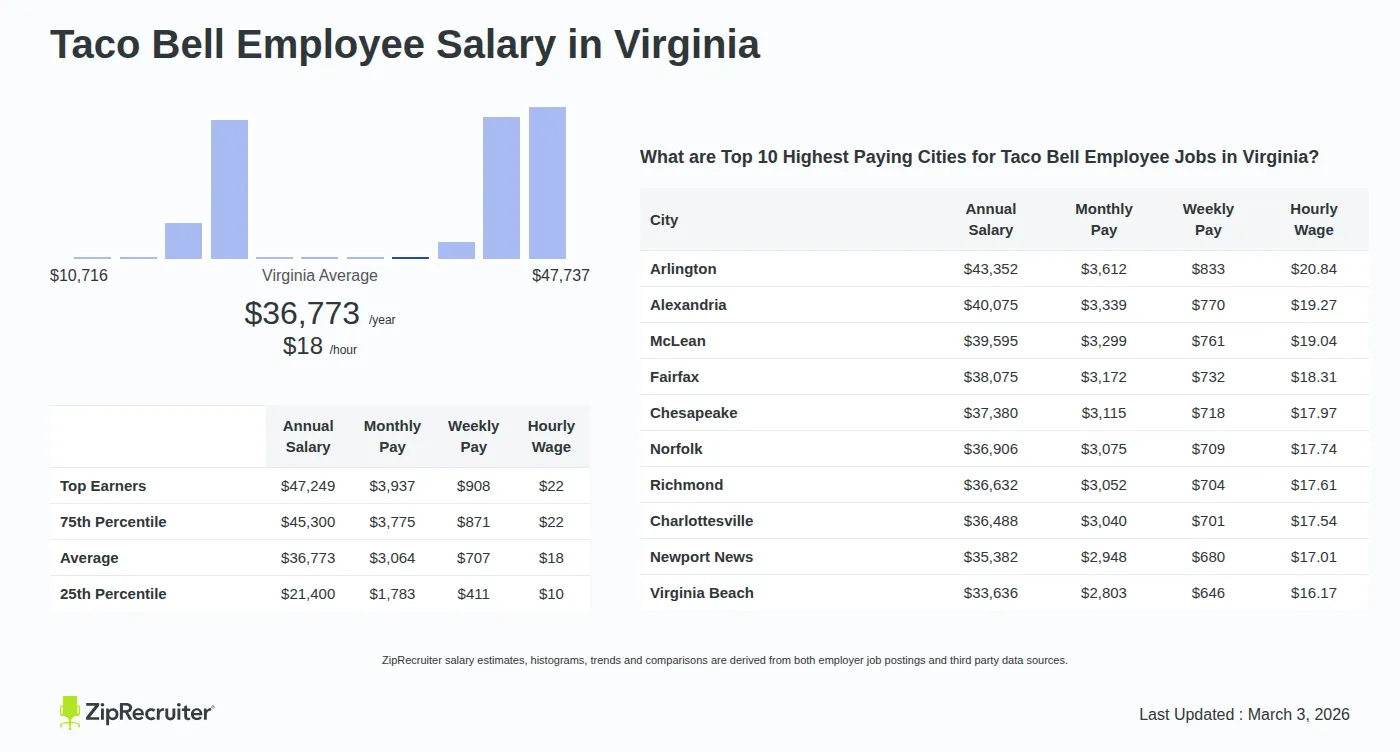
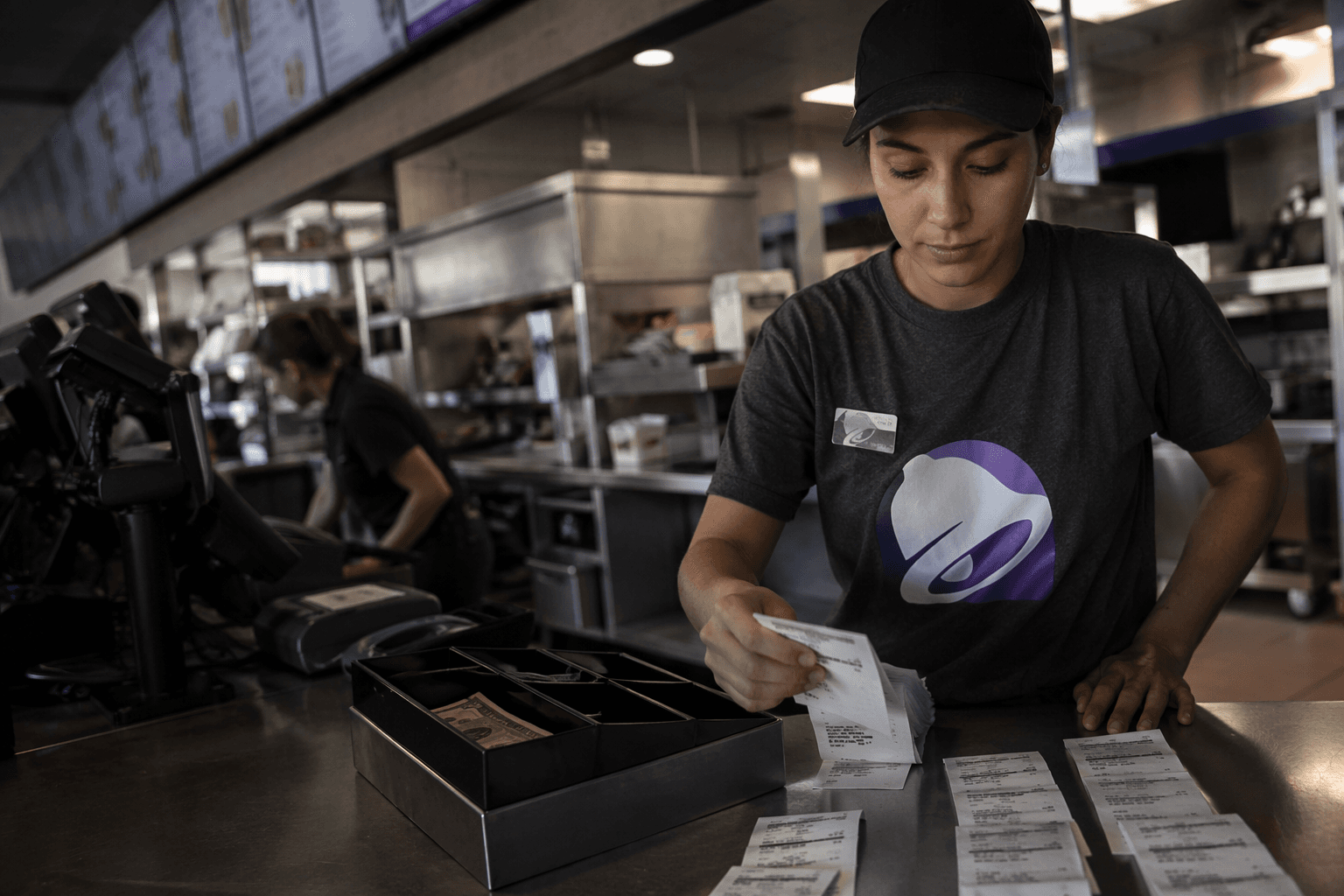
For most Taco Bell restaurants, the effect will be limited because crew pay is still built around hourly wages rather than tipped wages. But the rule still matters in blended operations where delivery tips exist, especially in stores that handle pickup, drive-thru and delivery under one roof. Taco Bell’s help pages already tell customers to add delivery tips before submitting the order, which puts timing and coding squarely on the restaurant side once the transaction is processed.
The IRS previously finalized the underlying rules and its list of eligible occupations on April 10, 2026, after issuing proposed guidance in September 2025. That proposal covered nearly 70 tipped occupations, from bartenders to water taxi operators. The agency says workers claim the deduction on Schedule 1-A, Form 1040, and some taxpayers may need to file amended returns to pick it up.
The key workplace issue for Taco Bell is not a windfall. It is whether managers, franchisees and payroll teams record the money correctly. The company’s own support pages distinguish between corporate employees and franchise employees, a reminder that tax reporting and payroll handling can vary by ownership model. In practice, the new rules will test whether stores can keep tipped delivery transactions, reported cash tips and service charges separated cleanly enough to avoid confusion later.
This article was produced by Prism’s automated news system from verified source data, official records, and press releases, then run through automated quality and moderation checks before publishing. The system is built and supervised by the people who set the standards it runs under. Read our full AI policy.
Did this article answer your question?