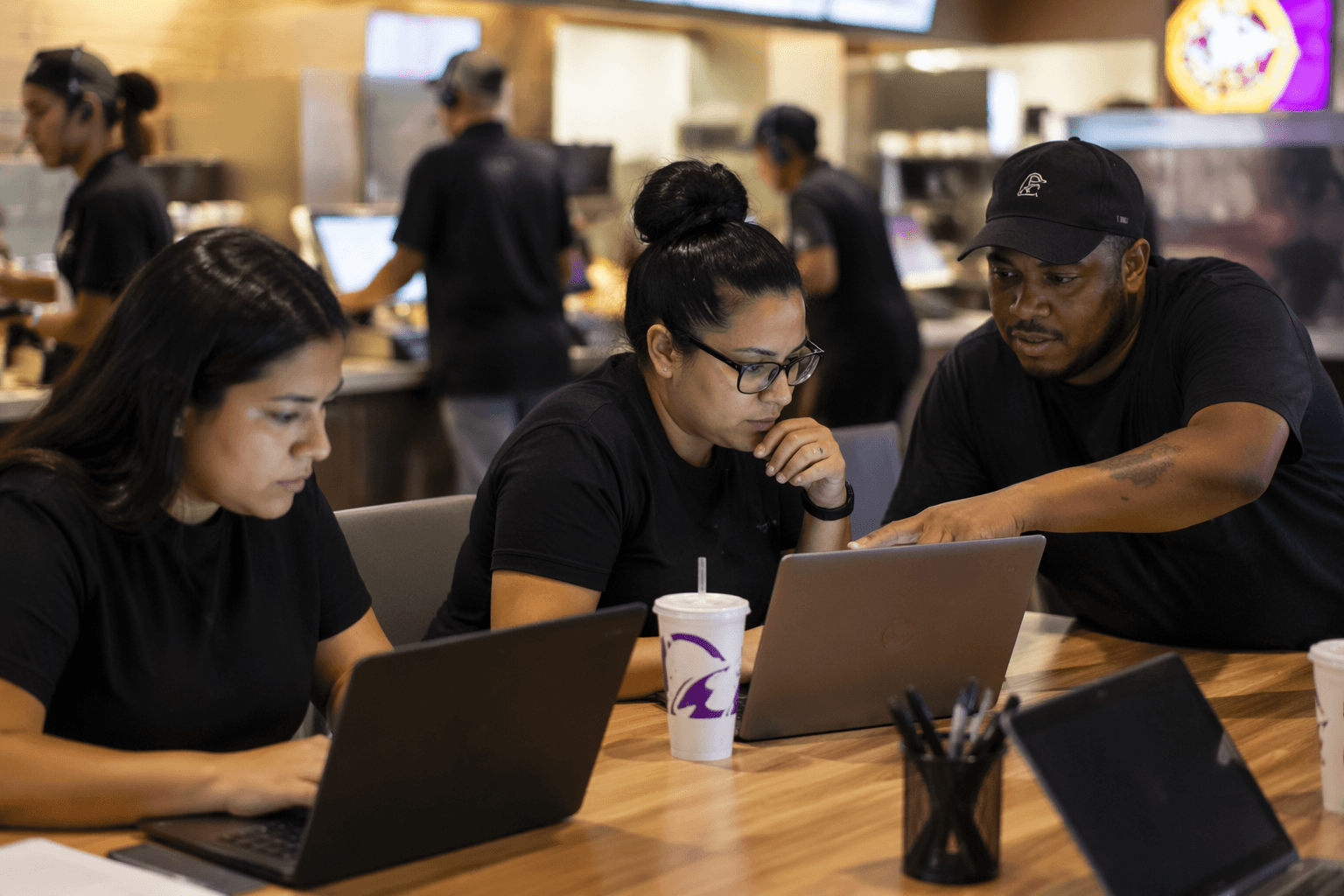
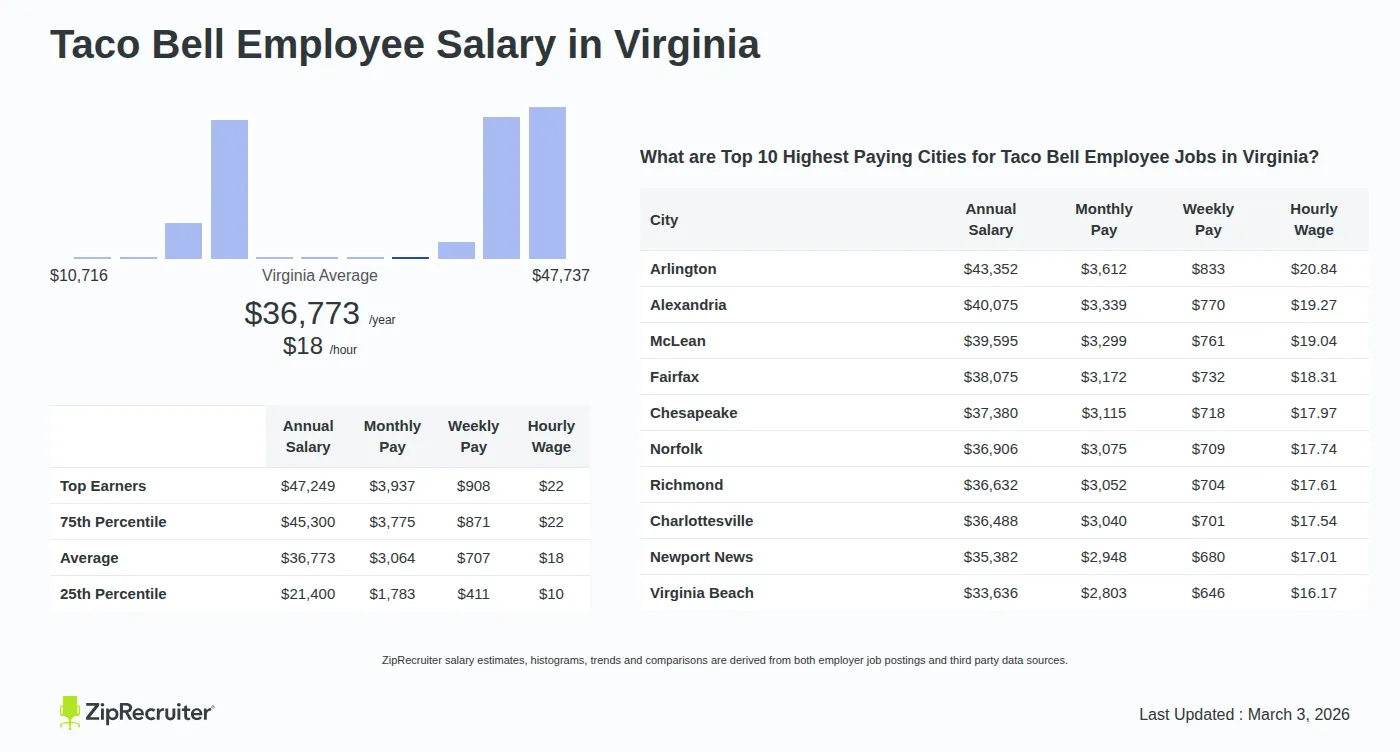
JBS Meatpacking Strike Could Disrupt Beef Supply for Taco Bell Kitchens
A first-in-40-years meatpacking strike by 3,800 JBS workers in Colorado is squeezing beef supply as prices already sit 15% above last year.
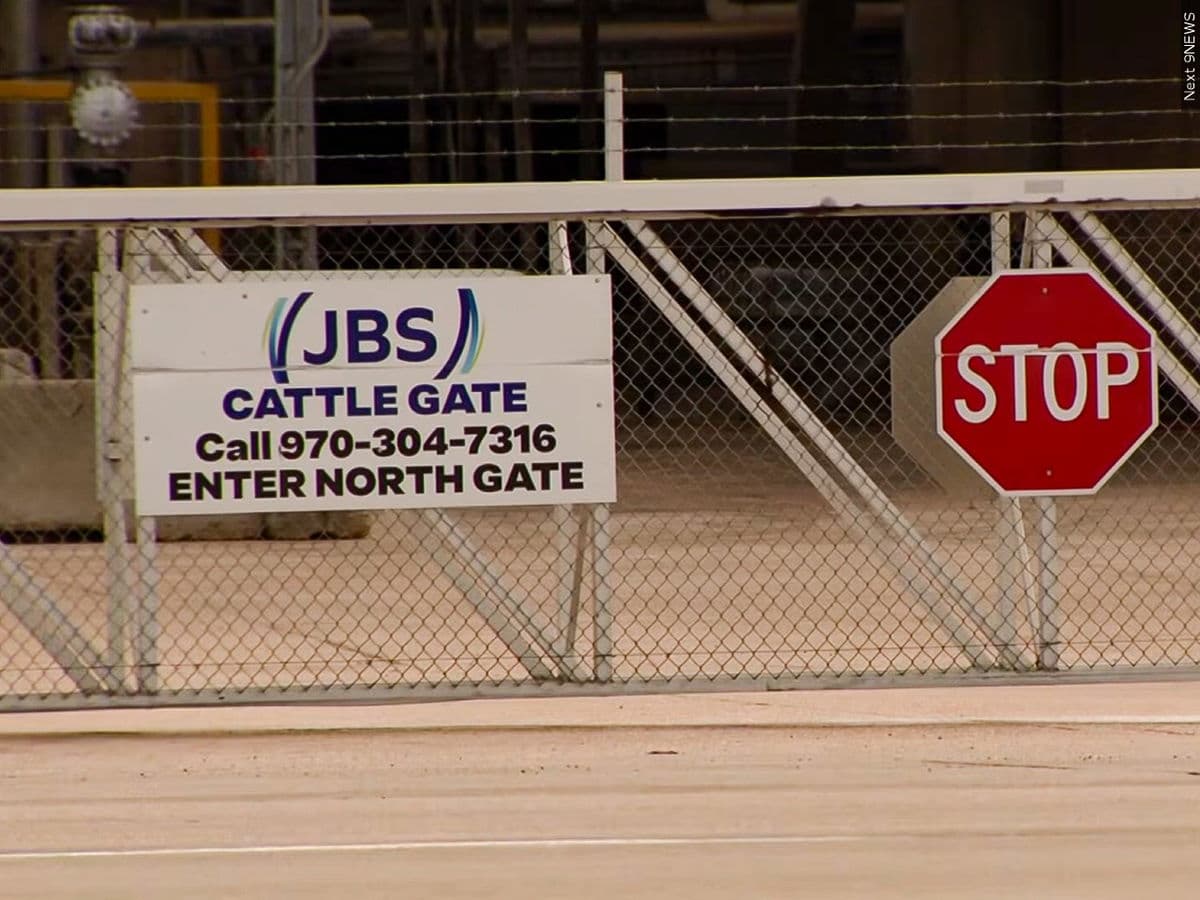
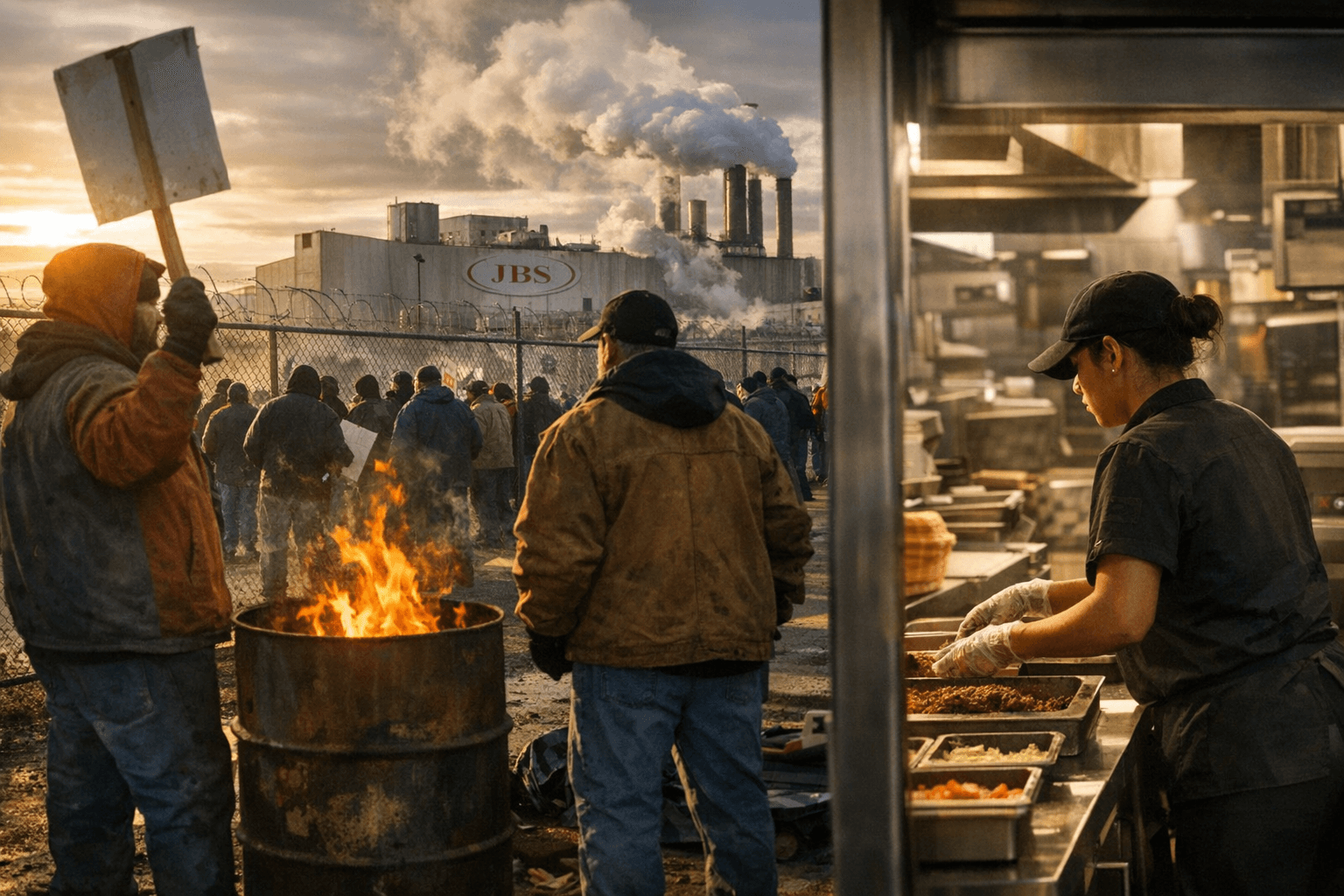
Before sunrise on March 16, workers at the JBS-owned Swift Beef plant in Greeley, Colorado walked off the job, bundled in blankets, some shouting "huelga!" as they paced the picket line outside one of the largest slaughterhouses in the country. The two-week strike, which the union says could be extended, involved roughly 3,800 employees represented by UFCW Local 7, accounting for approximately 99% of the plant's workforce. It was, by multiple accounts, the first U.S. meatpacking strike in 40 years.
For Taco Bell kitchens, the timing is bad. JBS USA is the largest of the four major beef processors in the United States, and those four companies together control roughly 85% of all domestic production. A prolonged work stoppage at Greeley removes meaningful processing capacity from a supply chain already operating under stress.
Beef prices have risen 15.2% over the past year, driven largely by the smallest U.S. cattle herd in 75 years. A January 1 inventory counted 86.2 million animals, down 1% from the prior year, a decline tied to drought and persistently low prices paid to ranchers. The National Cattlemen's Beef Association warned that the Greeley disruption could push costs even higher for consumers and downstream buyers.
The dispute at JBS stems from a contract that expired the Sunday before the walkout. UFCW Local 7 president Kim Cordova said the company had spent months insisting on what she called unacceptable terms. "For months now, JBS has been insisting on poverty-level wages for workers at the plant, while at the same time putting all the risk of rising health care costs on workers," Cordova said. The union also accused JBS of committing unfair labor practices, including retaliating against workers who organized, and of charging some employees more than $1,100 for safety equipment. Workers voted in February to authorize the strike after the union and company met dozens of times without reaching an agreement.
Deborah Rodarte, an inside skirt cutter at the Greeley plant, put it plainly: "We work very hard, in difficult conditions, and want JBS to negotiate fairly for a contract that will allow us to live with dignity. We will stand together on the picket line until JBS recognizes our value and treats us fairly."
JBS pushed back on the union's characterization, saying its offer "has already delivered meaningful wage increases, a secure pension, and long-term financial stability" to its other unionized workers, and that it planned to operate the Greeley facility "to the best of its ability." The company said it would shift production to other facilities with excess capacity, and that any employee who did not strike would have work and be paid.
Whether JBS can fully offset Greeley's lost output through its other nine U.S. facilities remains unclear. Economists who follow the cattle industry noted that tight cattle supplies have forced processors to pay steep prices for livestock, a dynamic that may actually reduce JBS's urgency to settle. Meanwhile, some cattle feeders have already begun rerouting shipments to other plants. The disruption compounds earlier capacity losses: Tyson Foods closed a beef plant in Nebraska earlier this year and reduced operations at a Texas facility, further tightening the processing pipeline that restaurants like Taco Bell depend on.
The broader policy environment adds another layer of uncertainty. The Trump administration announced in February it was quadrupling beef imports from Argentina by 80,000 metric tons to help offset high domestic prices, while tariffs on Brazil, a major beef exporter, have curbed imports from that country. President Trump also asked the Department of Justice to investigate foreign-owned meatpacking companies for driving up U.S. beef prices. JBS itself agreed in January to pay $83.5 million to settle claims it conspired with other meatpackers to fix prices.
If the strike extends beyond its initial two-week window, pressure on beef-heavy menus, including Taco Bell's ground beef staples, could intensify through the spring.
This article was produced by Prism’s automated news system from verified source data, official records, and press releases, then run through automated quality and moderation checks before publishing. The system is built and supervised by the people who set the standards it runs under. Read our full AI policy.
Did this article answer your question?