KBP Brands CEO Joins Murphy USA Board, Implications for Taco Bell Workers
Murphy USA announced on December 10, 2025 that Michael G. Kulp, founder and CEO of KBP Brands, has been appointed an independent director and will serve on the Audit Committee and the Executive Compensation Committee. Kulp leads one of the largest quick service restaurant operators, overseeing more than 1,200 restaurants and over 23,000 employees, and his presence on a major convenience store board could shift strategies that affect jobs and operations at Taco Bell and other franchise locations.
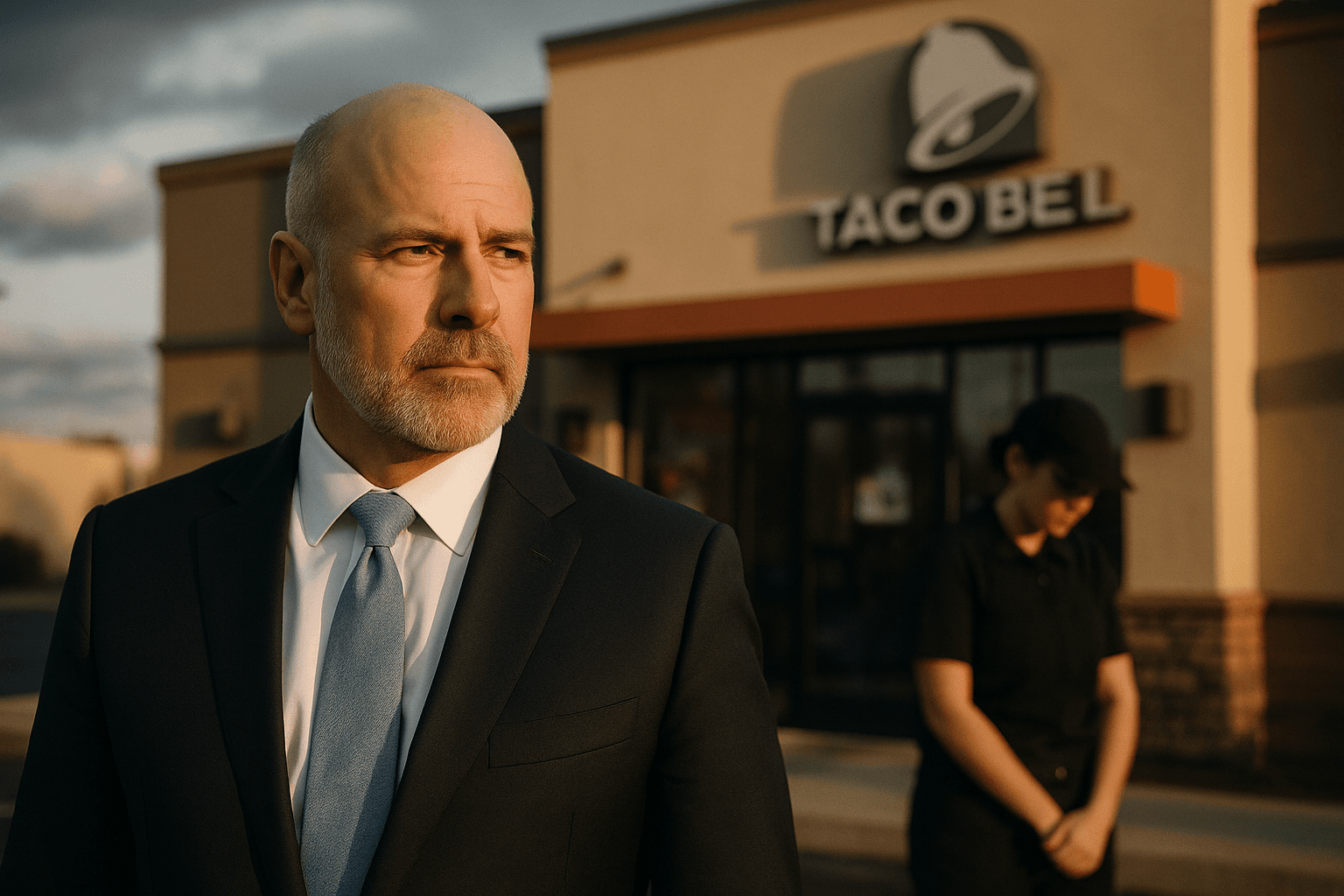
Murphy USA named Michael G. Kulp to its board on December 10, 2025, bringing a prominent multi brand franchise operator voice into the boardroom of a large convenience store and fuel retailer. Kulp will serve on the Audit Committee and the Executive Compensation Committee, roles that position him to influence financial oversight and pay practices at the company.
Kulp is the founder and chief executive of KBP Brands, which operates more than 1,200 KFC, Taco Bell, Arby s and Sonic restaurants across 32 states and employs over 23,000 people. The appointment highlights Kulp s multi unit mergers and acquisitions experience and his work with restaurant supply cooperatives, credentials that Murphy USA flagged as valuable to its board.
For workers and managers at KBP Brands and within the broader franchise ecosystem, the move matters because it brings a large franchise operator perspective into decisions at a national retailer that often shares real estate, customers and supply chains with quick service restaurants. Serving on the Audit Committee, Kulp will be involved in financial controls and reporting matters that can affect capital allocation and investment decisions. Serving on the Executive Compensation Committee, he will have a say in how top executives are paid, a dynamic that influences corporate priorities and can cascade to operating decisions at the store level.
The appointment underscores ongoing consolidation in the restaurant industry where multi brand operators exert growing influence over labor markets and supplier networks. Employers that manage thousands of frontline workers can shape scheduling practices, benefit offerings and responses to workforce shortages. Kulp s background with supply cooperatives also signals potential emphasis on procurement efficiencies that could affect vendor relationships and inventory practices at both restaurants and adjacent retail locations.
Workers should watch for board level developments this year around mergers and acquisitions, executive pay frameworks, and partnerships between convenience retailers and restaurant operators. Those decisions will help determine staffing patterns, investment in workplace training, and the broader labor footprint of multi brand franchise operations that include Taco Bell locations.
This article was produced by Prism’s automated news system from verified source data, official records, and press releases, then run through automated quality and moderation checks before publishing. The system is built and supervised by the people who set the standards it runs under. Read our full AI policy.
Did this article answer your question?