May Day protests spotlight wages, costs, and worker struggles worldwide
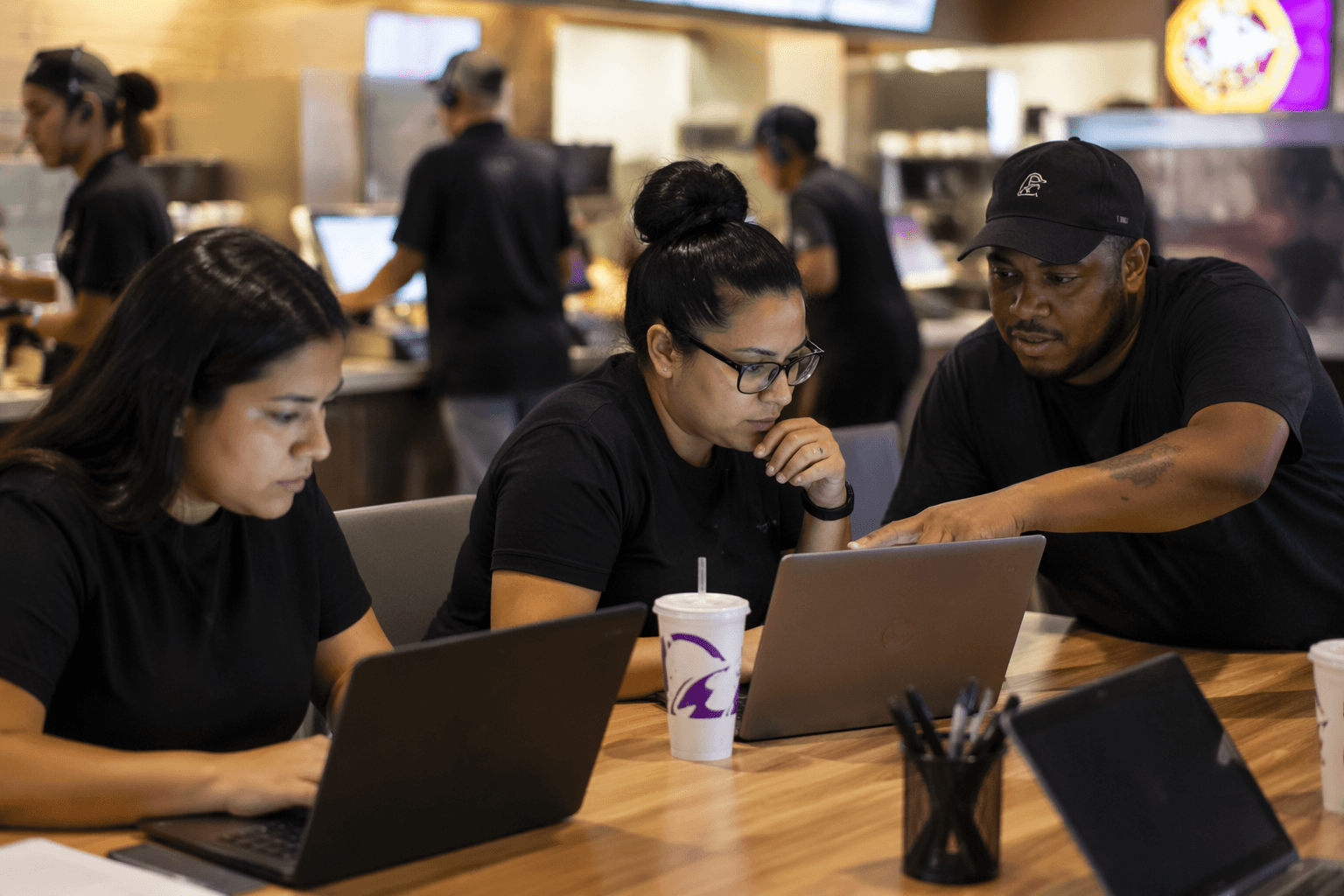
Gas and delivery costs tied to Middle East conflict made May Day more than a protest date for Taco Bell workers, with wages and scheduling under sharper pressure.

Will this make it harder or more expensive to get to work this week? For Taco Bell crew members and shift managers, that was the practical question hanging over May Day, as rallies in cities around the world put wages, working conditions, and higher living costs back at the center of the labor conversation. Protesters marked International Workers’ Day on May 1 with calls for peace, better pay, and safer jobs, while energy-price pressure and the broader conflict in the Middle East kept fuel, rent, and household bills in the background.
The day has long carried labor-history weight. May Day is observed on May 1 in many countries and commemorates historic worker struggles, including the long campaign for the eight-hour day. In the United States and Canada, the similar holiday is Labor Day in September, but May 1 still functions as a reminder that wage fights rarely stay abstract for long. When workers across industries demand higher wages, restaurant operators feel it in the most immediate places: staffing, schedule stability, overtime costs, and the pressure to keep service moving even when labor gets tight.
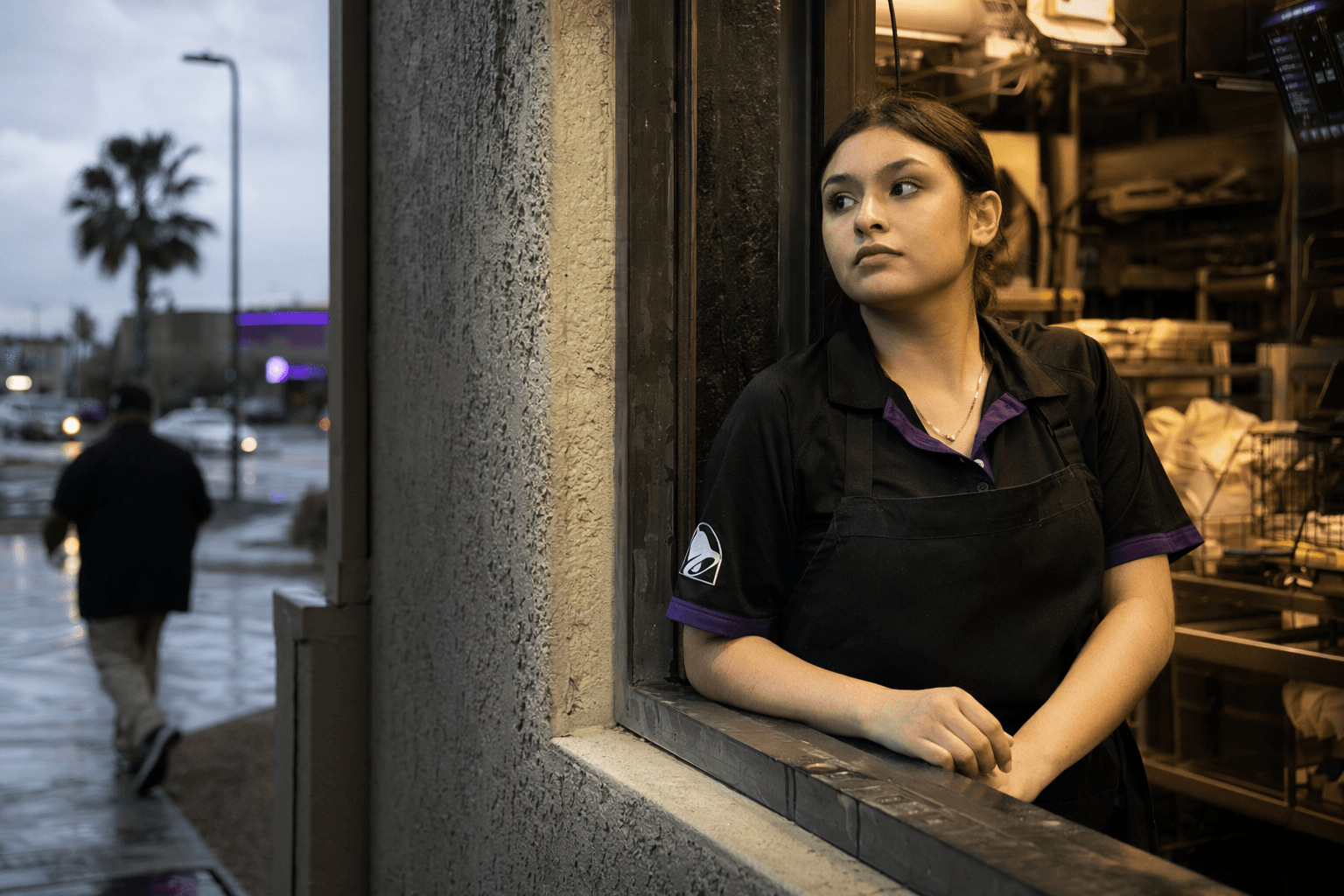
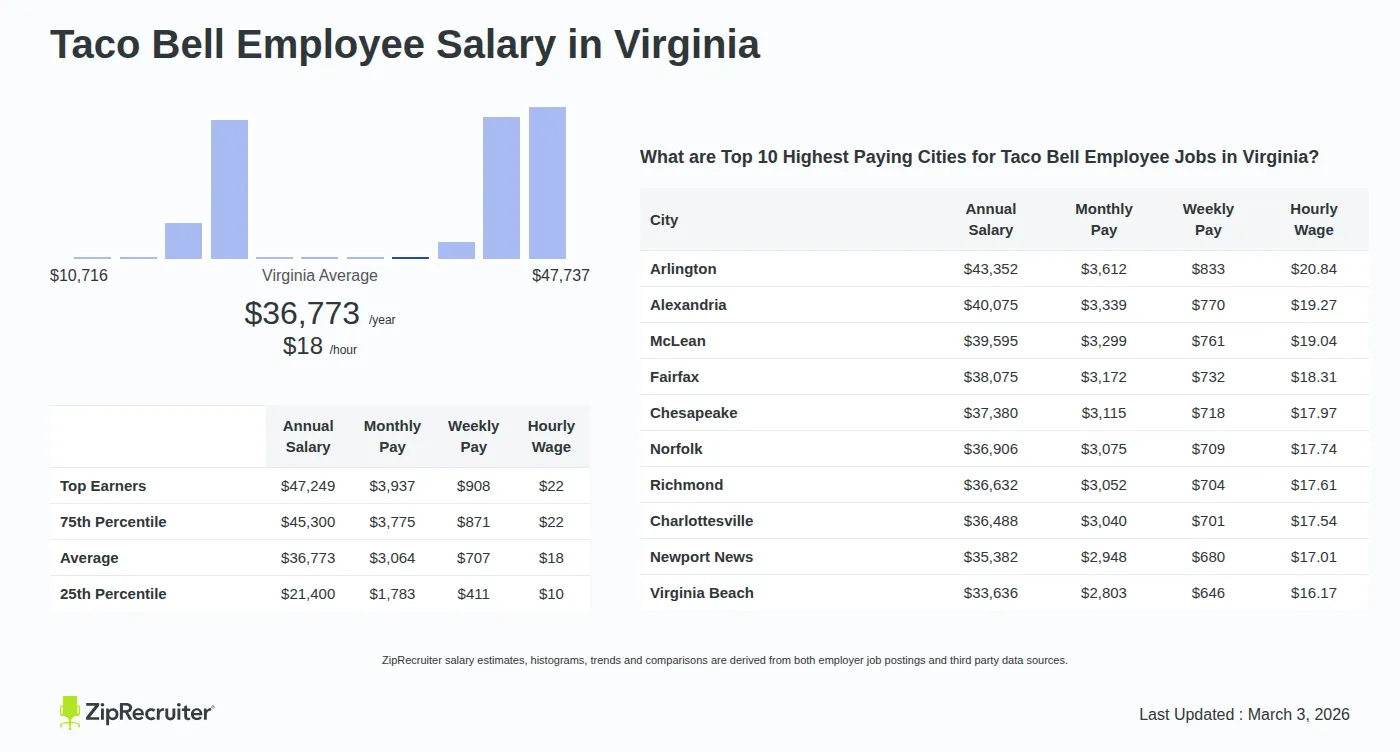
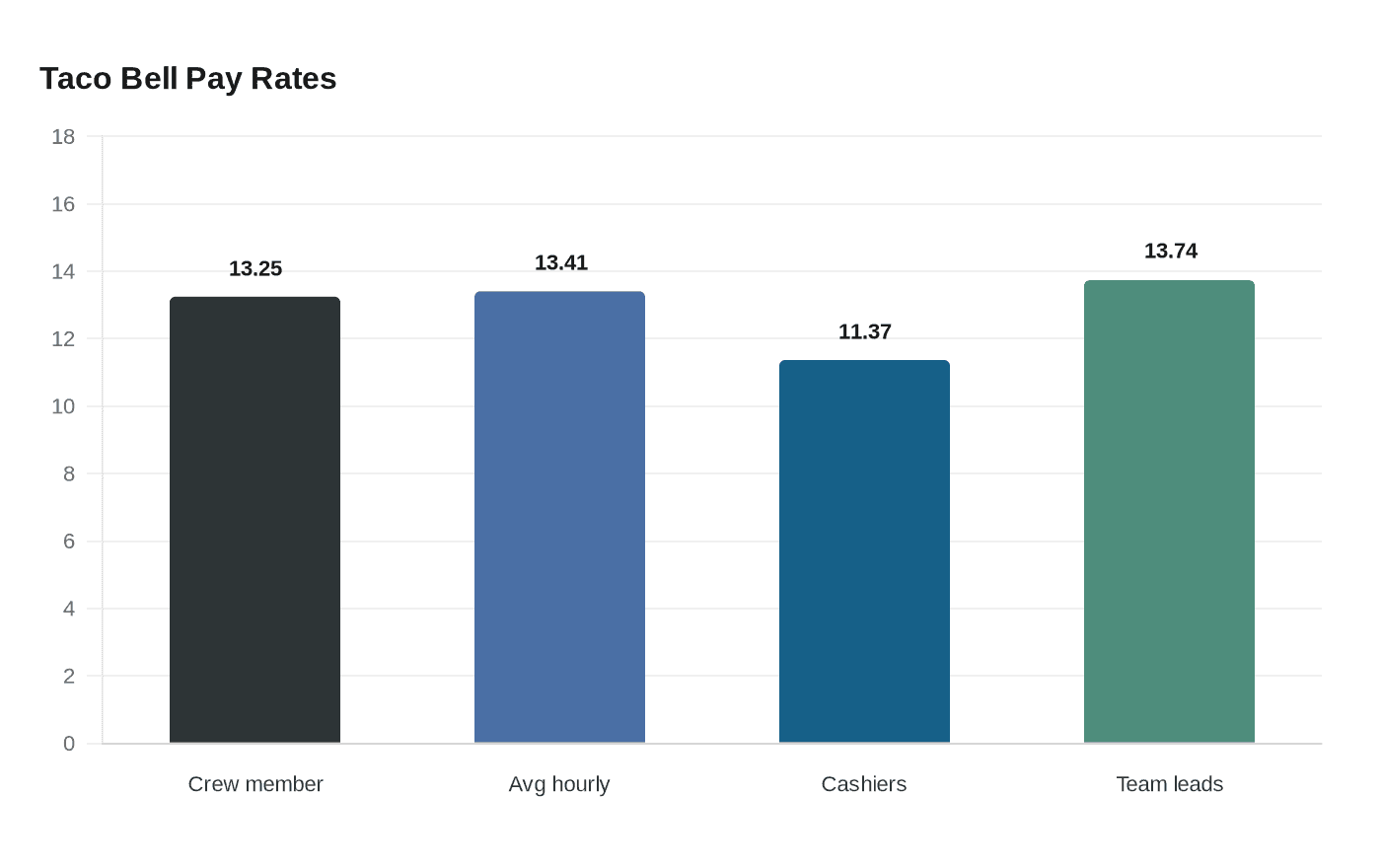
That matters inside Taco Bell, where the company’s careers pages list Team Member, Shift Lead, and Assistant Manager roles and say many owners and operators offer education assistance, health insurance, free meals, employee assistance, paid time off, retirement savings options, Live Más scholarships, flexible scheduling, and training. The pay debate around those jobs remains grounded in hourly math. Indeed puts average Taco Bell crew-member pay in the United States at about $13.25 an hour. Payscale lists Taco Bell Corporation’s average hourly pay in 2026 at $13.41, with cashiers averaging $11.37 and team leaders $13.74. Breakroom’s May 2 update put Taco Bell cashier pay at roughly $10.77 to $17.77 an hour.
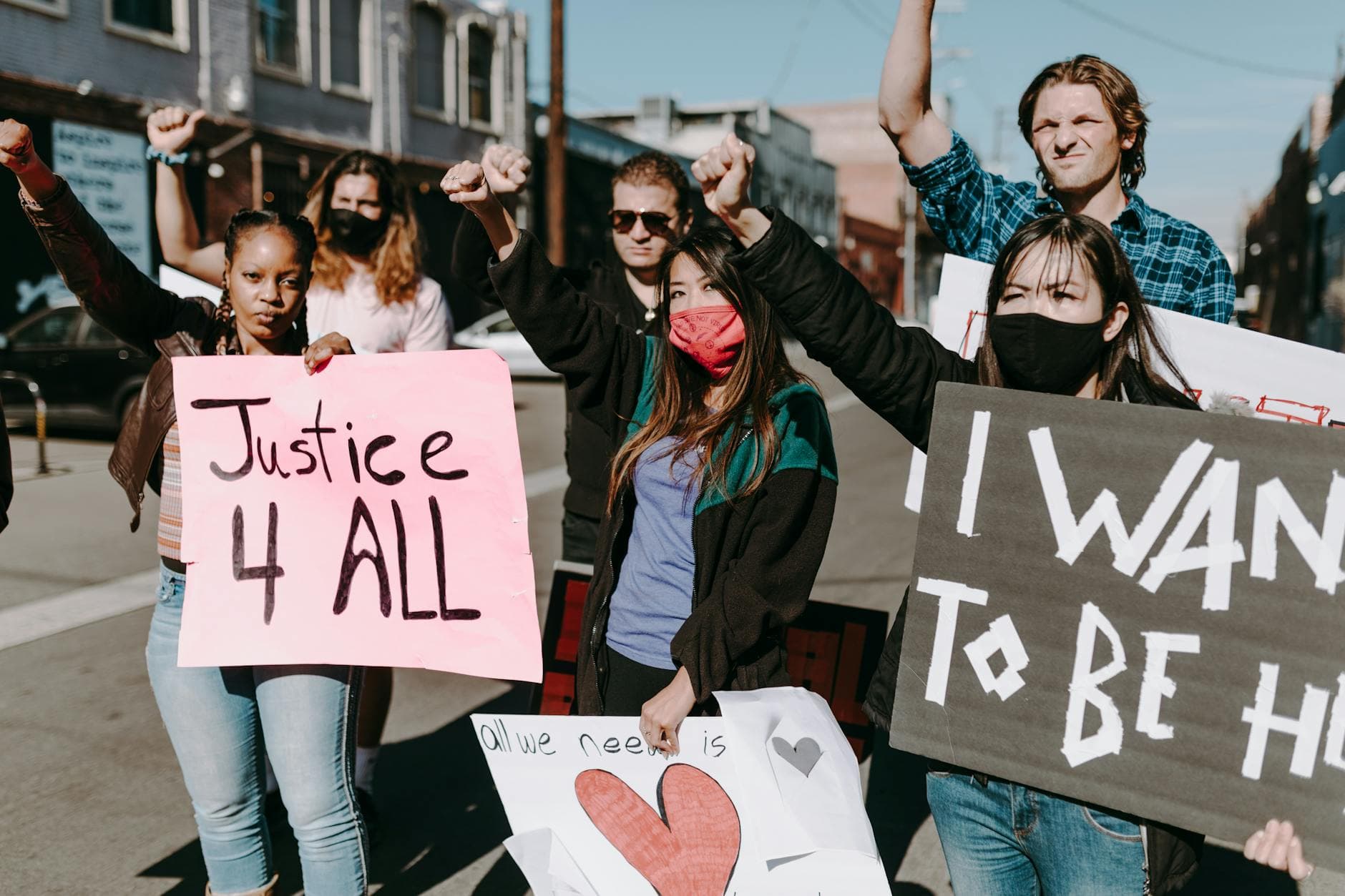
The broader wage pressure is not hypothetical. California raised its fast-food minimum wage to $20 an hour in April 2024, affecting about 400,000 workers at chains including Taco Bell. That set a benchmark for what a major wage move can look like when labor pressure turns into policy. It also helps explain why May Day messages about fairness resonate in fast food, where a few extra dollars an hour can decide whether a commute, a rent payment, or a grocery run fits the week’s budget.
The labor strain has also shown up in formal disputes. The National Labor Relations Board has an open case involving Tambro, Inc. d/b/a Taco Bell in Milpitas, California, and a July 31, 2024 class-action complaint alleged meal- and rest-break violations at Taco Bell-branded franchises in California. Those cases underline the same point that echoed through May Day rallies: pay, breaks, and predictable hours are not slogans. For restaurant workers, they are the terms that shape every shift.
This article was produced by Prism’s automated news system from verified source data, official records, and press releases, then run through automated quality and moderation checks before publishing. The system is built and supervised by the people who set the standards it runs under. Read our full AI policy.
Did this article answer your question?