NLRB guide reminds Taco Bell workers of union rights
Taco Bell workers can raise pay, scheduling, safety, and staffing complaints together, and the NLRB says managers cannot threaten, surveil, or retaliate when organizing starts.
Erratic schedules, pay gaps, short staffing, safety problems, and pressure from managers are the complaints that most often push Taco Bell crews toward union talk. Under federal law, those complaints can turn into protected concerted activity, and management crosses a legal line fast if it answers with threats, surveillance, promises, or punishment.
What Taco Bell workers can legally do
Section 7 of the National Labor Relations Act gives employees the right to self-organize, form, join, or assist labor organizations, bargain collectively, and act together for mutual aid or protection. At a Taco Bell store, that means crew members can generally talk with coworkers about a union, sign authorization cards, attend organizing meetings, and raise workplace concerns without losing those rights.
The key word is together. A worker does not need a formal campaign to be protected if the discussion is about a shared workplace problem, such as last-minute schedule changes, unpaid overtime, or dangerous heat in the kitchen. In fast food, organizing usually starts with those ordinary conditions, not with a speech about labor ideology.
Where managers get into legal trouble
Employers may not interfere with, restrain, or coerce employees in the exercise of their NLRA rights. That rule reaches the day-to-day conversations many Taco Bell managers have with crews, especially when the subject is union support.
A supervisor can create a legal problem by hinting that wages, hours, promotions, transfers, or scheduling will change depending on union activity. The same risk applies if a manager suggests that anyone who supports organizing will be watched, written up, or left off the schedule. Threats do not have to be dramatic to be unlawful. A warning that a store will close, a cut in shifts, or a lost promotion opportunity can be enough to chill protected activity.
In 2024, the NLRB found captive-audience meetings unlawful. In restaurants, anti-union meetings have long been a standard response when workers start talking about organizing. Taco Bell employees do not give up their rights by sitting in a meeting, but managers cannot use compulsory meetings as a tool to pressure workers out of protected activity.
What retaliation can look like on the job
Retaliation at a Taco Bell store does not always arrive as a firing notice. It can look like a reduction in hours, less favorable shifts, sudden discipline, exclusion from a manager’s normal communication, or being passed over for training or promotion after a worker speaks up about a union or joins coworkers in a complaint.
It can also show up as tighter scrutiny. If a shift manager starts hovering, timing breaks, changing work assignments, or tracking mistakes only after organizing talk begins, that pattern may matter. That kind of workplace pressure can matter even when workers do not immediately recognize that a change in treatment is tied to union activity.
For restaurant managers, the safest response is simple: keep the conversation calm, factual, and policy-based. If someone asks about union rights, direct them to lawful company resources and do not argue, threaten, or promise benefits in exchange for silence.
Why Taco Bell stores are especially exposed
Taco Bell sits inside a fast-food sector that has spent years in open labor conflict, and California has become one of the hardest-fought battlegrounds. On August 14, 2023, Taco Bell was “barreling toward a 2024 ballot showdown over unions” in California. Then on February 9, 2024, California fast-food workers launched a new union.
Governor Gavin Newsom signed AB 1228 in 2023, creating the Fast Food Council. The council became part of a broader debate over minimum wage changes, scheduling pressure, and pay equity in a sector where franchise operations often make accountability feel split between local managers and corporate ownership.
The wage and safety fights that feed organizing
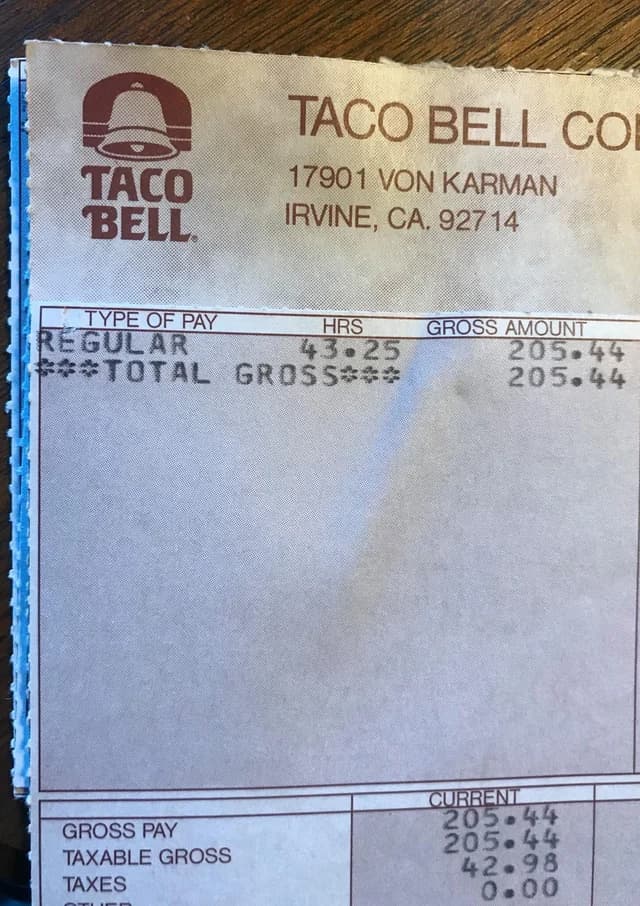
The labor pressure around Taco Bell is visible in concrete disputes. On April 12, 2023, the U.S. Department of Labor recovered $22,000 in back wages for 12 Taco Bell workers in Spencer, Iowa. In a separate July 20, 2022 release, the department recovered $56,000 for 31 managers after a Taco Bell franchisee misapplied overtime rules. Those cases show how pay problems can run through both crew and management ranks when franchise operators get wage-and-hour rules wrong.
A Taco Bell and KFC workers’ strike took place in San Jose on June 12, 2024, over unsafe working conditions and cuts to their pay, and workers in El Dorado Hills alleged unsafe conditions, including 90-degree kitchen temperatures.
How to document problems if organizing starts
If union activity begins at a Taco Bell store, documentation becomes one of the most important protections workers have. Keep a written record of schedule changes, pay issues, safety complaints, and manager comments, especially if the comments mention union support, hours, promotions, or discipline. Save screenshots of schedules, text messages, group chats, and any notices about meetings or policy changes.
It also helps to note who was present, what was said, and when it happened. If a manager threatens cuts to hours or hints that promotions depend on staying quiet, write down the exact words as soon as possible. If there is a safety issue, such as extreme kitchen heat or a staffing shortage that makes the shift unsafe, document the date, the condition, and whether you reported it.
When to think about the NLRB
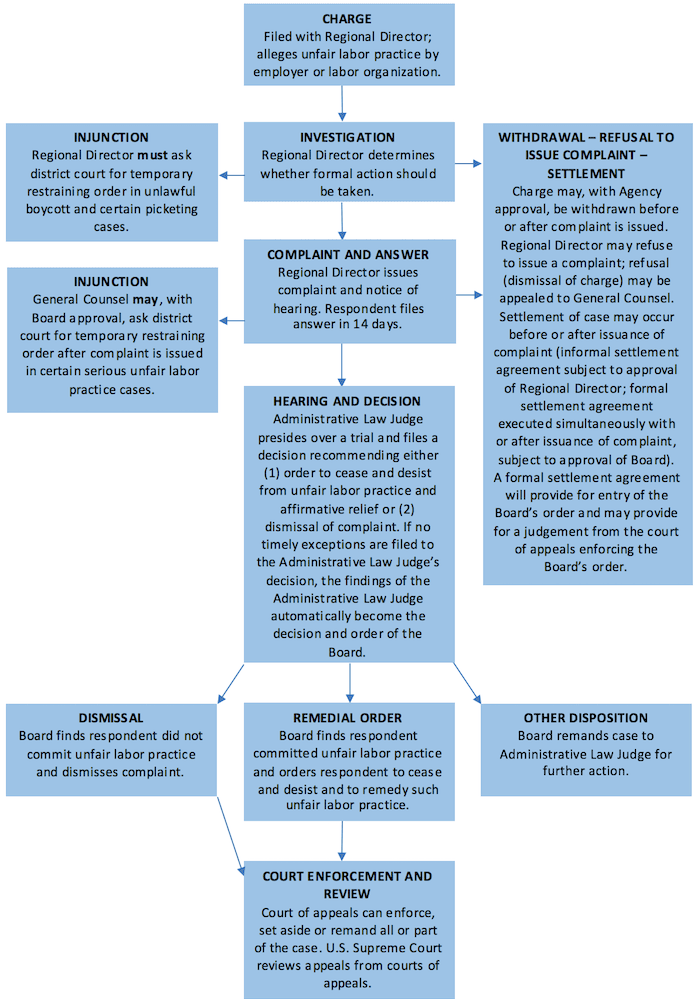
The NLRB is the federal forum for retaliation and interference claims. Many workers do not realize they can file a charge if management crosses the line during organizing or after a concerted complaint about pay, scheduling, or safety.
This article was produced by Prism’s automated news system from verified source data, official records, and press releases, then run through automated quality and moderation checks before publishing. The system is built and supervised by the people who set the standards it runs under. Read our full AI policy.
Did this article answer your question?