Ocala Drive-Thru Robbery Conviction Highlights Need for Crew Security, Support
Drive-thru robbery at an Ocala Taco Bell led to a conviction, underscoring the need for crew security and post-incident support.

A man who reached through a drive-thru window with a rock and forced Taco Bell employees out of the restaurant was convicted and sentenced in January 2026, highlighting gaps in front-line safety and the need for robust post-incident support for crew. Authorities say the July 2025 incident left workers shaken and prompted a police response that ended with the suspect's capture by a K-9 unit.
Court proceedings in late January culminated in conviction and sentencing for 27-year-old Kewarren Anderson. Police statements and courtroom outcomes describe a rapid escalation at the drive-thru: Anderson allegedly reached through the open window, used a rock to threaten employees, and chased staff out of the building before patrol officers and a K-9 unit apprehended him nearby. Those details underline how quickly a routine shift can become dangerous for front-of-house employees.
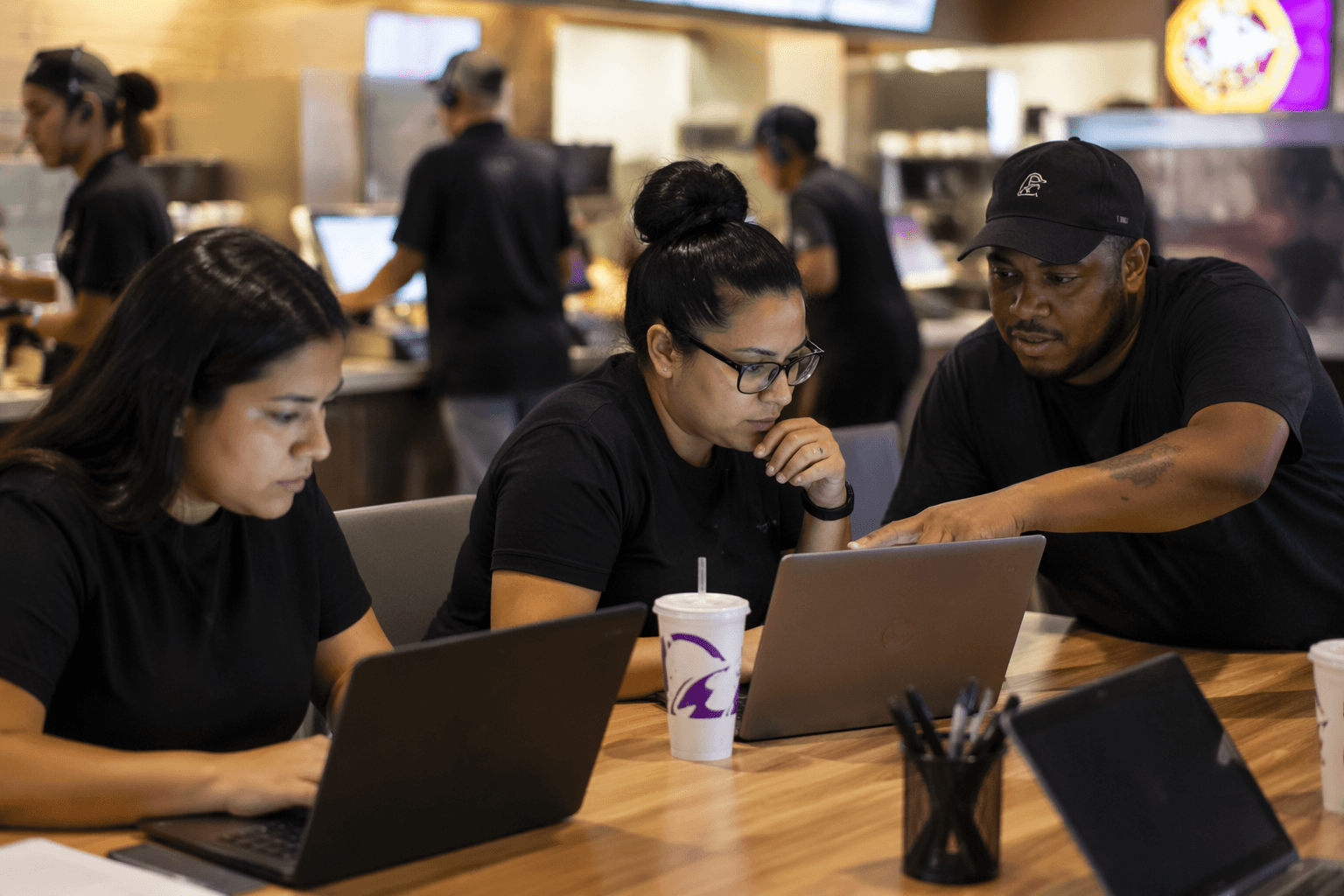
For Taco Bell crew members and managers, the case offers a stark reminder that drive-thru service is a high-risk interaction point. Workers who handle orders at the window face close physical proximity to customers and potential assailants, particularly during late shifts. The psychological impact on employees who were confronted, chased, or forced to evacuate can include acute stress, ongoing anxiety about returning to work, and disrupted shift coverage as staff take time off.
Employers have several levers to reduce risk and support affected crew. Basic prevention measures include clear policies about not opening the window to unknown hands, maintaining exterior lighting and visible camera coverage, and ensuring managers have quick access to panic buttons or direct lines to dispatch. Training in de-escalation and mock drills can help crews react under pressure, while coordination with local law enforcement can shorten response times and clarify procedures for preserving evidence after an incident.
Post-incident support is equally important. Employers should provide paid time off for impacted workers, prompt access to employee assistance programs or trauma counseling, and a formal critical-incident debrief so staff can report what happened and learn from it without fear of blame. Shift supervisors should document the event, preserve surveillance footage, and communicate transparently with crews about next steps and any legal developments.
The conviction in Ocala closes a criminal chapter, but it opens a workplace one: managers must translate that outcome into practical safety upgrades and emotional support for crew. For workers, the priority is clear - safer procedures, better training, and access to help after a frightening shift can make the difference between returning to work with confidence and carrying trauma home.
This article was produced by Prism’s automated news system from verified source data, official records, and press releases, then run through automated quality and moderation checks before publishing. The system is built and supervised by the people who set the standards it runs under. Read our full AI policy.
Did this article answer your question?