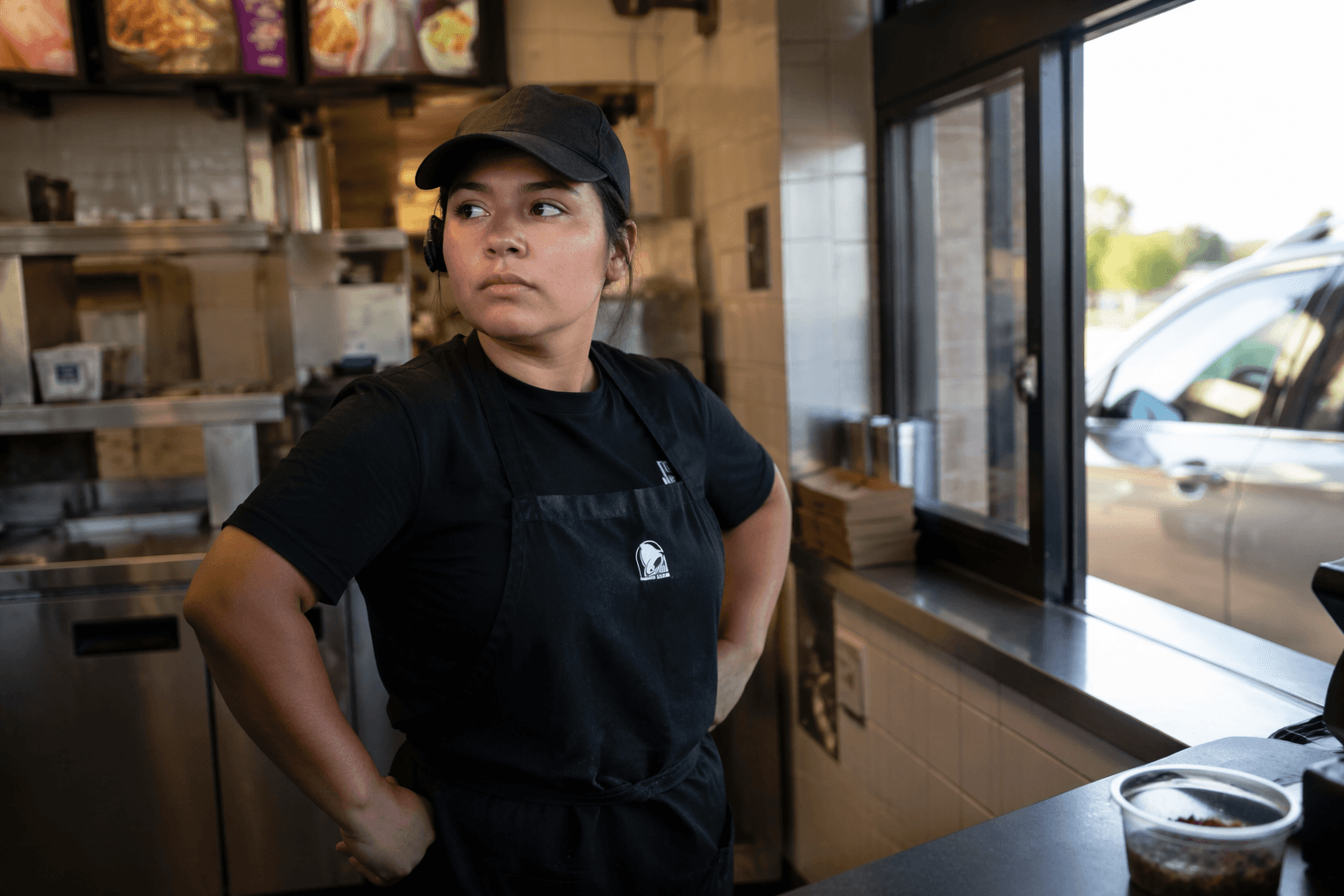
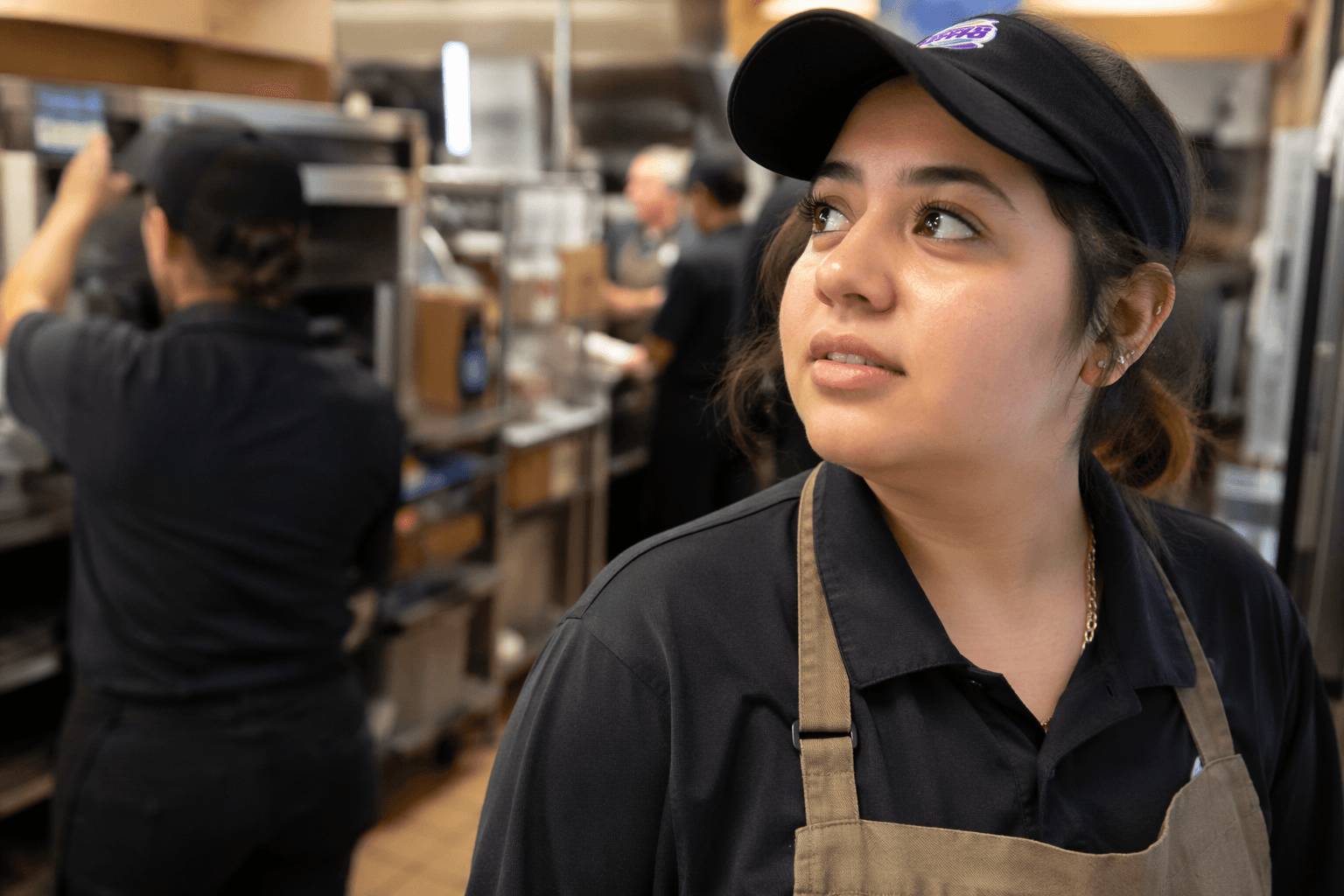
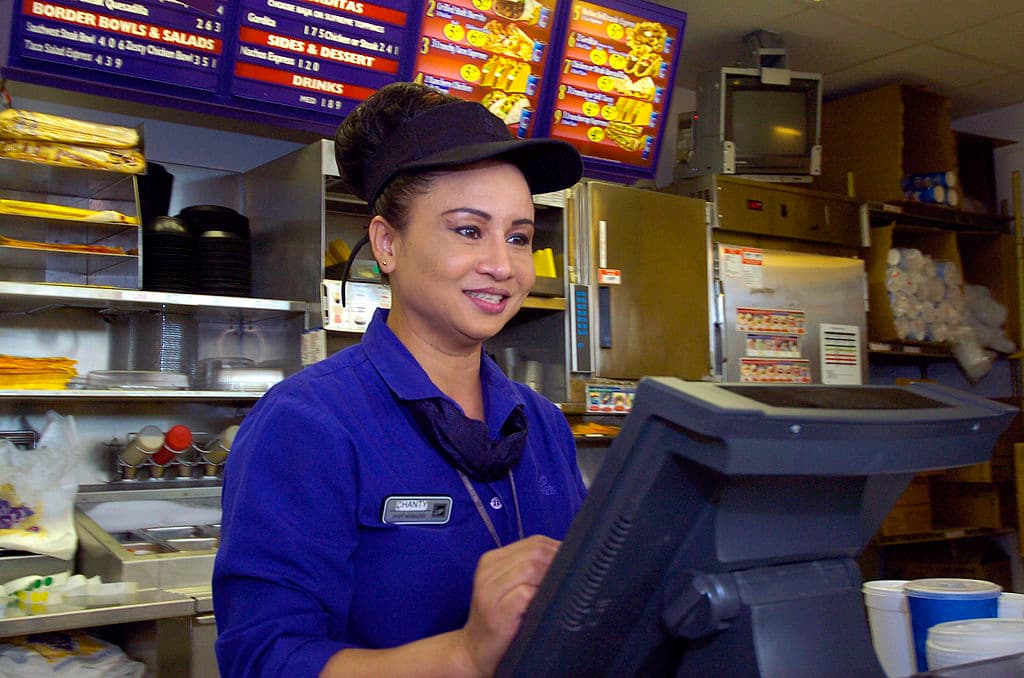
OSHA warns Taco Bell managers to prioritize teen worker safety
Teen hires at Taco Bell face the same kitchen hazards as adults, but OSHA says the first year on the job is where mistakes turn serious. That makes slowing the ramp-up a safety fix, not a courtesy.
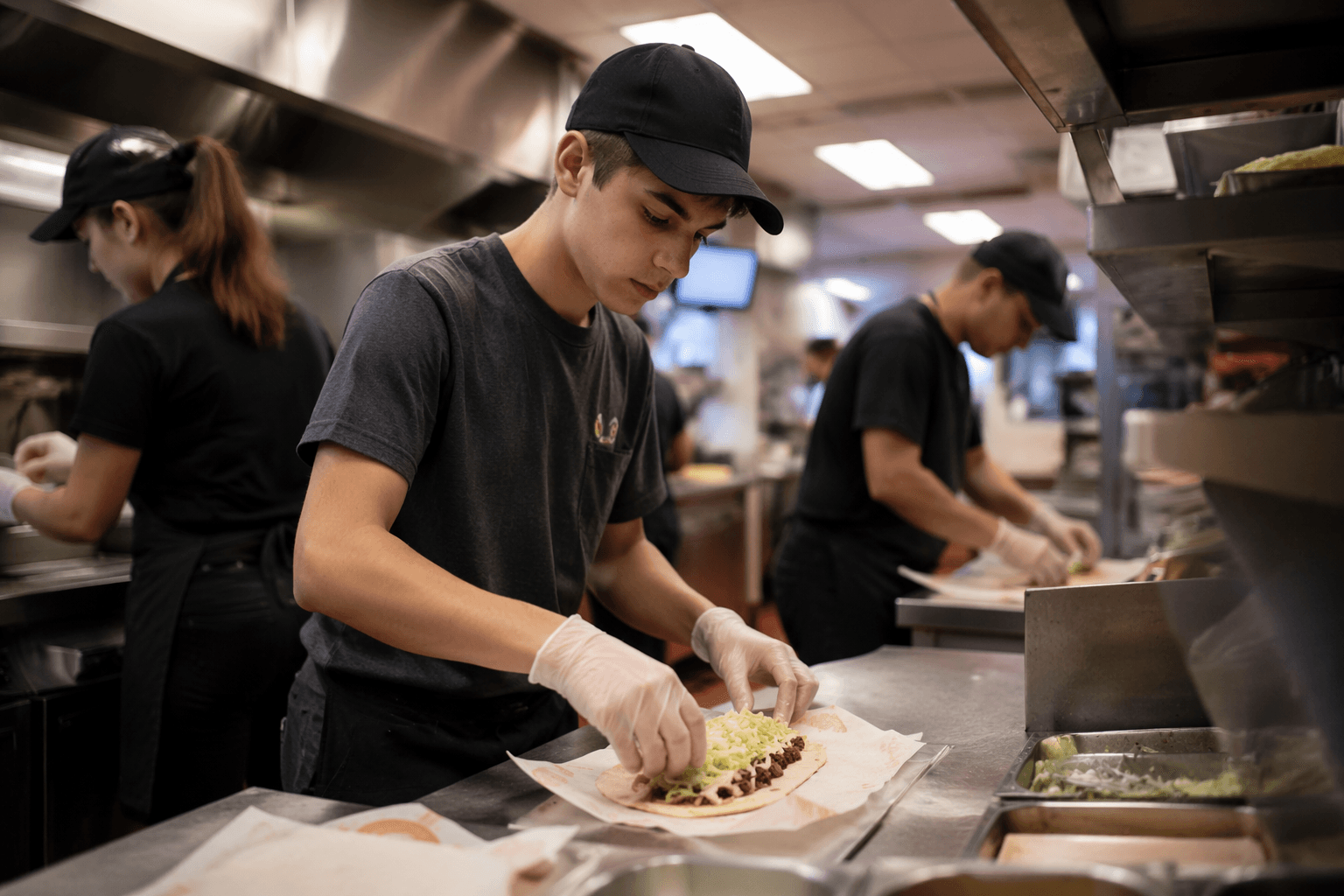
OSHA puts the U.S. workforce in restaurants and other eating and drinking businesses at 11.6 million, with nearly 30% under 20, which makes youth safety a core operating issue for any Taco Bell that hires first-job employees. Teen workers can learn Taco Bell fast, but speed cannot come before safety when the job includes hot surfaces, knives, wet floors, chemicals, and tight service rushes.
Why the first shifts matter
Young workers take a disproportionate share of injuries and fatalities, especially in the first year on the job. OSHA’s restaurant safety materials point to 2017 as a warning sign: 22 youths under 18 died from work-related injuries and another 27,070 were sickened or injured. For Taco Bell managers, that is the part of the job that demands more coaching, not less, because a new crew member who has not yet learned kitchen rhythms is the one most likely to move too fast, grab the wrong surface, or step into a spill.
The service industry ranks highest among U.S. industries for injury in workers ages 16 to 19. The risk is baked into the work itself, from line speed to dish and cleanup tasks to cross-traffic behind the counter. When a store brings in teens for summer hiring, the manager has to assume they may not yet have the reflexes to question an unsafe setup or the vocabulary to describe a hazard before it becomes an incident.
The tasks that need tighter coaching
The most important safety work for a young Taco Bell employee happens in the practical, repetitive jobs that can look simple from the outside. Hot equipment, knives, wet floors, chemicals, burns, and the rush of a busy service period create risks that show up in ordinary shifts when someone is asked to work too independently too soon. A teen who is still learning the menu can also be learning how not to spill sanitizer, where to stand when another worker carries hot food, and how to keep moving without cutting across the wrong path in a cramped kitchen.
Managers should slow the first few shifts enough to cover where new hires stand, when they ask for help, which tasks require supervision, and what to do if a fryer, slicer, or hot holding area gets out of control. Cleanup deserves special attention because a slippery floor can turn a standard end-of-rush reset into a fall injury in seconds. In a Taco Bell setting, line speed, cross-traffic, and cleanup need direct instruction instead of a single walk-through.
What OSHA expects from employers
OSHA’s young-worker restaurant eTool helps young workers and employers stay safe and healthy on the job and is built around common hazards and possible safety solutions for teen workers in restaurants. The companion resources also spell out worker rights, including the right to working conditions that do not pose a risk of serious harm. In a Taco Bell kitchen, a teen employee may not know that safety is not a favor from a shift lead, but a basic workplace right.
The materials also point employers to obligations around protective equipment and hazard communication. If a young worker is exposed to hazardous materials, the employer has to make sure the hazards are explained and that the worker is trained to protect themselves. In plain terms for Taco Bell managers, that means a new hire should not just be told to “be careful” around cleaners or hot equipment; they need to be shown what the hazard is, what gear or procedures are required, and who to alert when something is unsafe.
OSHA’s standards for young workers in restaurants are handled through specific general-industry rules. The training has to be repeated, visible, and tied to the actual job. A teen who learns by watching once is still vulnerable; a teen who gets a second demonstration, clear supervision, and a chance to repeat the task under watch has a much better shot at avoiding the kind of mistake that triggers a workers’ comp claim and shakes confidence on the line.
What Taco Bell’s hiring rules mean in practice
Taco Bell’s careers FAQ states that the minimum hiring age can vary by location, and applicants should check with their local Taco Bell. Franchise stores may not all hire the same way, and local labor rules can affect who gets scheduled, what tasks they can legally do, and how much supervision they need on a given shift. A manager in one market may be training a 16-year-old for limited duties, while another store may be onboarding a slightly older first-job worker under different state or local rules.
Taco Bell’s careers materials emphasize training and development as part of the employee experience, but for teen workers that has to mean more than a welcoming message on a careers page. It has to show up in the first week on the floor, in how a shift lead pairs new hires with experienced crew members, and in how quickly a young worker is moved from observation to independent station work. In a franchise system, that can vary store by store, which is why the strongest safety standard has to be local, visible, and repeated at the manager level.
Why the injury data should change the routine
The U.S. Bureau of Labor Statistics counted 93,800 nonfatal injuries and illnesses in full-service restaurants in 2019, and its injury categories in that sector included heat or thermal burns, sprains, strains, tears, and cuts or lacerations. Those are the exact injuries that grow out of rushed movement, improper tool use, and sloppy cleanup. They are also the injuries most likely to be avoided when a young worker gets a slower start, tighter supervision, and a clear stop point for asking questions.
Young-worker safety should be built into the schedule, the station assignment, and the first few shifts, not left to instinct. A teen who learns how to move safely around hot equipment, chemicals, wet floors, and fast-moving coworkers is not only less likely to get hurt, but more likely to stay long enough to become a reliable crew member.
This article was produced by Prism’s automated news system from verified source data, official records, and press releases, then run through automated quality and moderation checks before publishing. The system is built and supervised by the people who set the standards it runs under. Read our full AI policy.
Did this article answer your question?