Taco Bell managers urged to listen to frontline problem spotters
Taco Bell’s sharpest fixes may come from the crew spotting friction first, before dashboards catch it. That matters even more as AI ordering, retention work, and digital sales keep expanding.
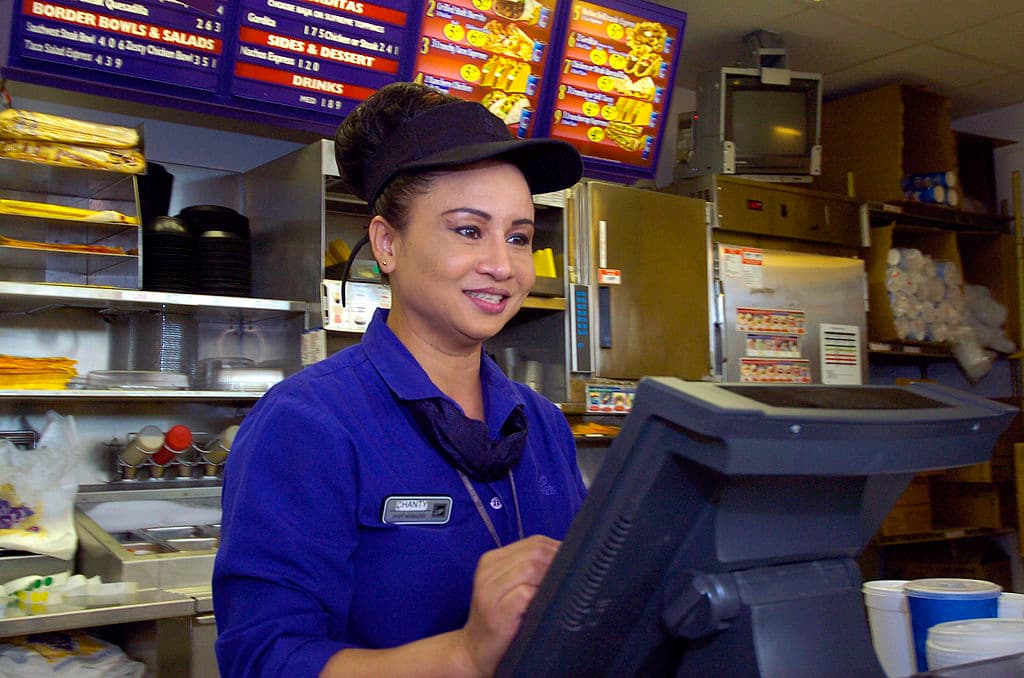
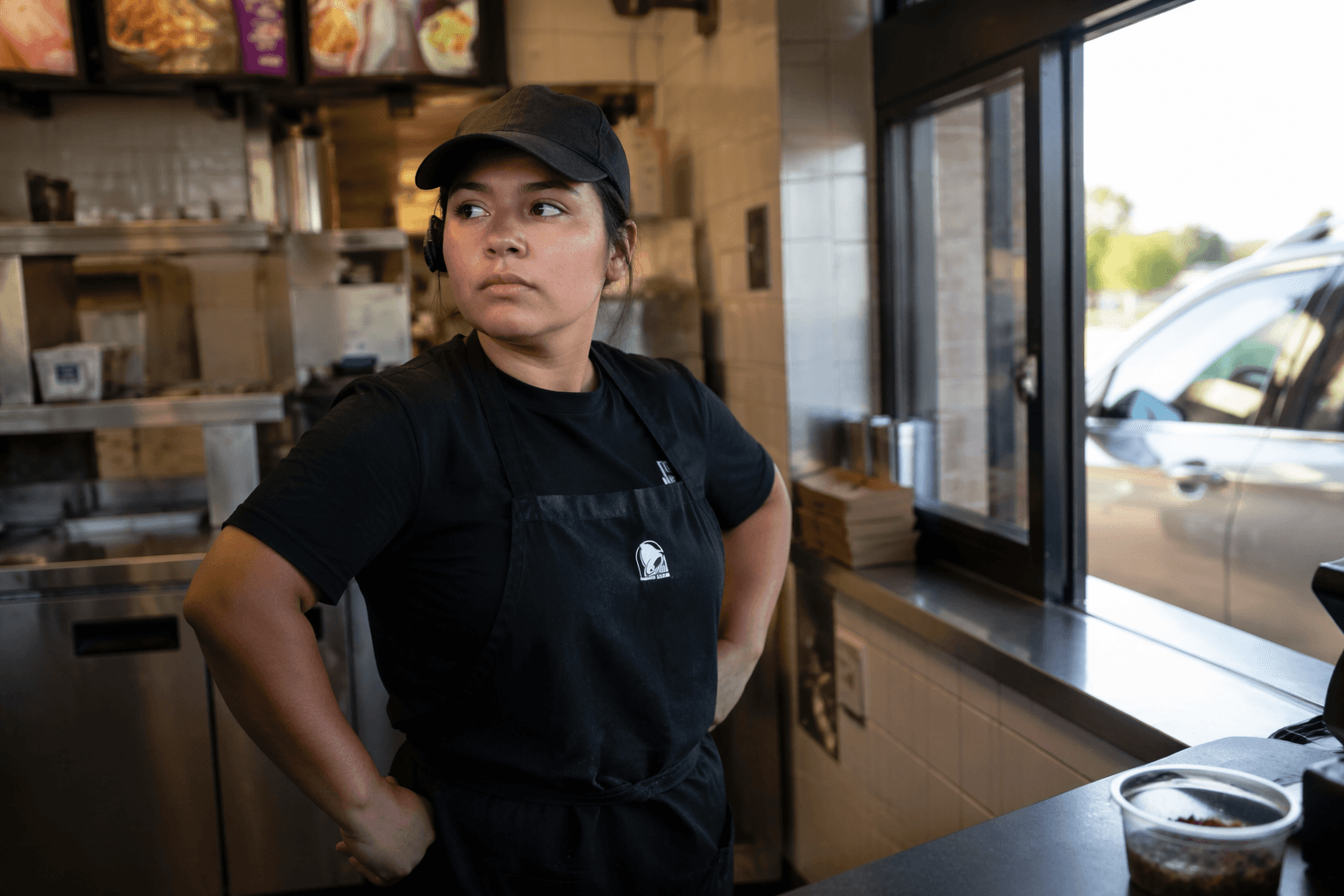
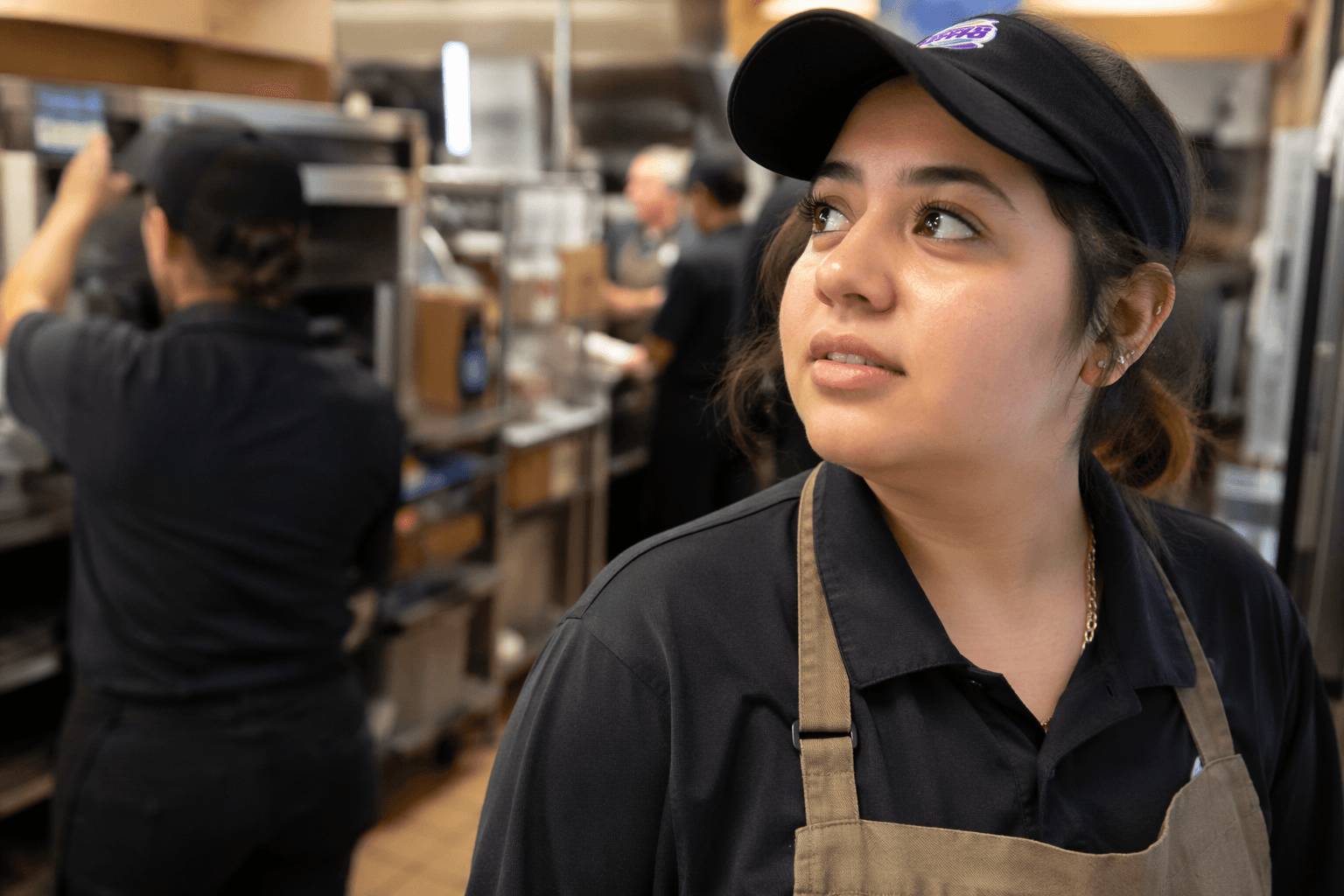
At Taco Bell, the first sign of trouble can be a crew member noticing the same modifier creating ticket errors, a cashier getting the same menu question, or a cook feeling prep slow down before the rush turns ugly. Managers do not need another dashboard to tell them when service is slipping. They need a better way to hear those signals. The frontline often sees the breakdown before the weekly report does.
Scott Greenberg argues that the data only shows what happened, while the team can explain why it happened. At Taco Bell, that means a repeated guest complaint may not be a branding problem at all. It may be a line-level issue, a bad handoff, or a process that looks fine in a meeting and falls apart at the window.
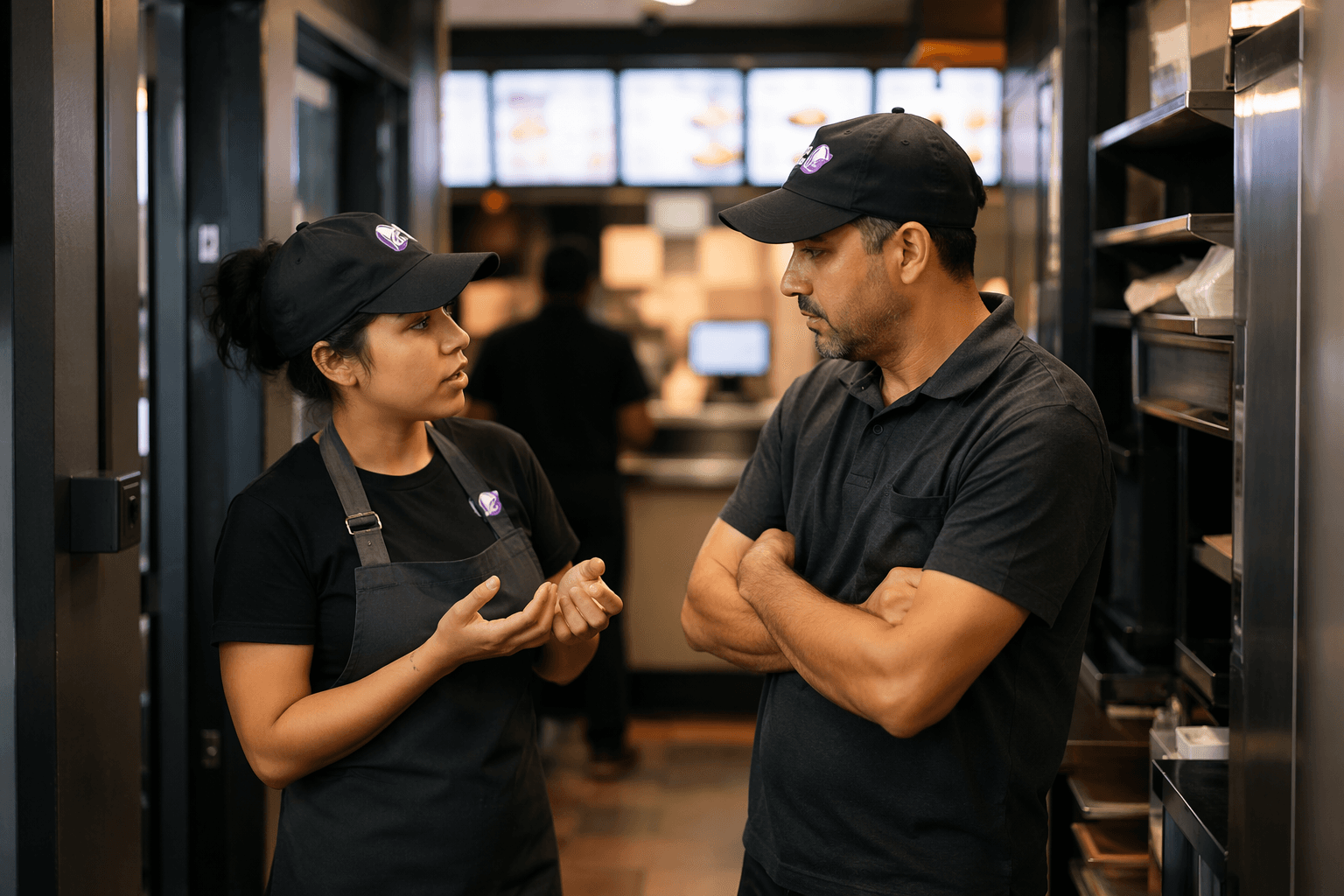
What frontline spotting actually looks like
The best version of this is not vague “listen to your people” advice. It is a manager building a routine that makes observations useful fast enough to change a shift, not just a spreadsheet. A pre-shift question, a short weekly huddle, or a habit of rewarding employees who point out broken processes can surface the same kind of signal over and over until it is fixed.
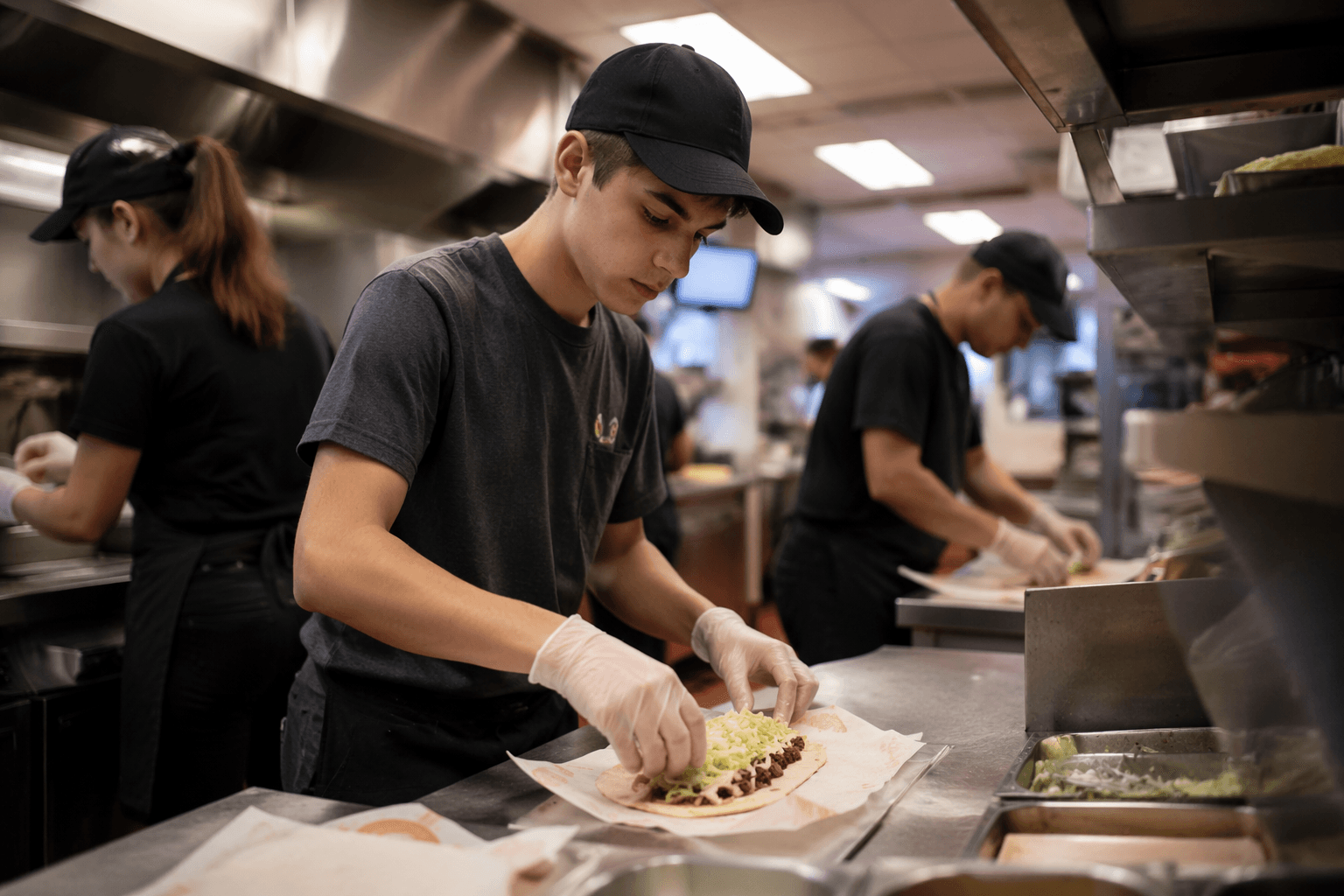
The examples are simple because restaurant problems usually are. A server noticing untouched sides can signal a menu mismatch. A cook fighting a prep process can reveal wasted motion. A cashier hearing the same guest question repeatedly can point to a menu board problem, a confusing modifier, or a packaging change that is forcing extra steps and slowing the line.
At Taco Bell, those observations are tied to throughput, waste, and guest friction in a business built on speed. If the people taking orders and assembling food are saying one part of the flow keeps breaking, that is not a soft complaint. It is a direct pointer to where labor, training, or service is leaking time.
Why the numbers make the listening part more important
Taco Bell is operating in a period when small operational gains matter a lot. Yum! Brands said Taco Bell delivered 4% same-store sales growth in Q2 2025, and Yum’s digital sales mix reached a record 57% in that quarter. In Q3 2025, Yum! Brands said Taco Bell posted 7% same-store sales growth. That kind of momentum raises the stakes on keeping the line clear, because growth can hide problems until they start showing up as slower service or more remakes.
The company is also pushing technology hard, which makes frontline feedback even more valuable. As of July 8, 2026, Taco Bell’s drive-thru voice AI was active in more than 890 U.S. restaurants across 38 states. Earlier, the system was in more than 100 U.S. restaurants across 13 states, with a rollout aimed at improving back-of-house operations and guest ordering.
The technology is meant to ease task load, improve order accuracy, lower wait times, and support employee retention and guest satisfaction. Those are the right goals, but they do not eliminate the need for human observation. If a voice system creates a new kind of confusion, or if a packaging change adds seconds to every order assembly, the crew will feel it before the dashboard does.
How Taco Bell’s tech stack fits the labor picture
Taco Bell U.S. uses Byte by Yum! integrated online ordering, point-of-sale, and back-of-house technologies to support customer experience and speed. That means the operation is already built around a tightly connected flow from digital order to kitchen to handoff. The upside is consistency; the risk is that one confusing step can ripple across the whole line.
That is why managers cannot treat frontline feedback as a morale exercise. A worker who flags a recurring guest question, a stubborn ticket error, or a slow prep move is pointing to a breakdown in the operating system. The right response is to test the fix quickly, whether that means changing the order screen, adjusting station setup, or retraining the handoff.
This is also where Taco Bell’s AI and digital push can help, if managers use it well. The crew can tell leaders whether the technology is reducing friction or just moving it somewhere else. A cleaner order flow does not matter if the kitchen is still getting jammed by a confusing modifier or a bad board layout.
Retention gains only matter if the work gets easier
In October 2025, the company said it was expanding leadership programs and education benefits for franchisee-owned locations to improve retention.
The company-run side shows why that matters. Taco Bell said employee retention at company-run stores improved year over year by 17% in 2025, and the company-run store count was 498 at year-end 2024.
This article was produced by Prism’s automated news system from verified source data, official records, and press releases, then run through automated quality and moderation checks before publishing. The system is built and supervised by the people who set the standards it runs under. Read our full AI policy.
Did this article answer your question?