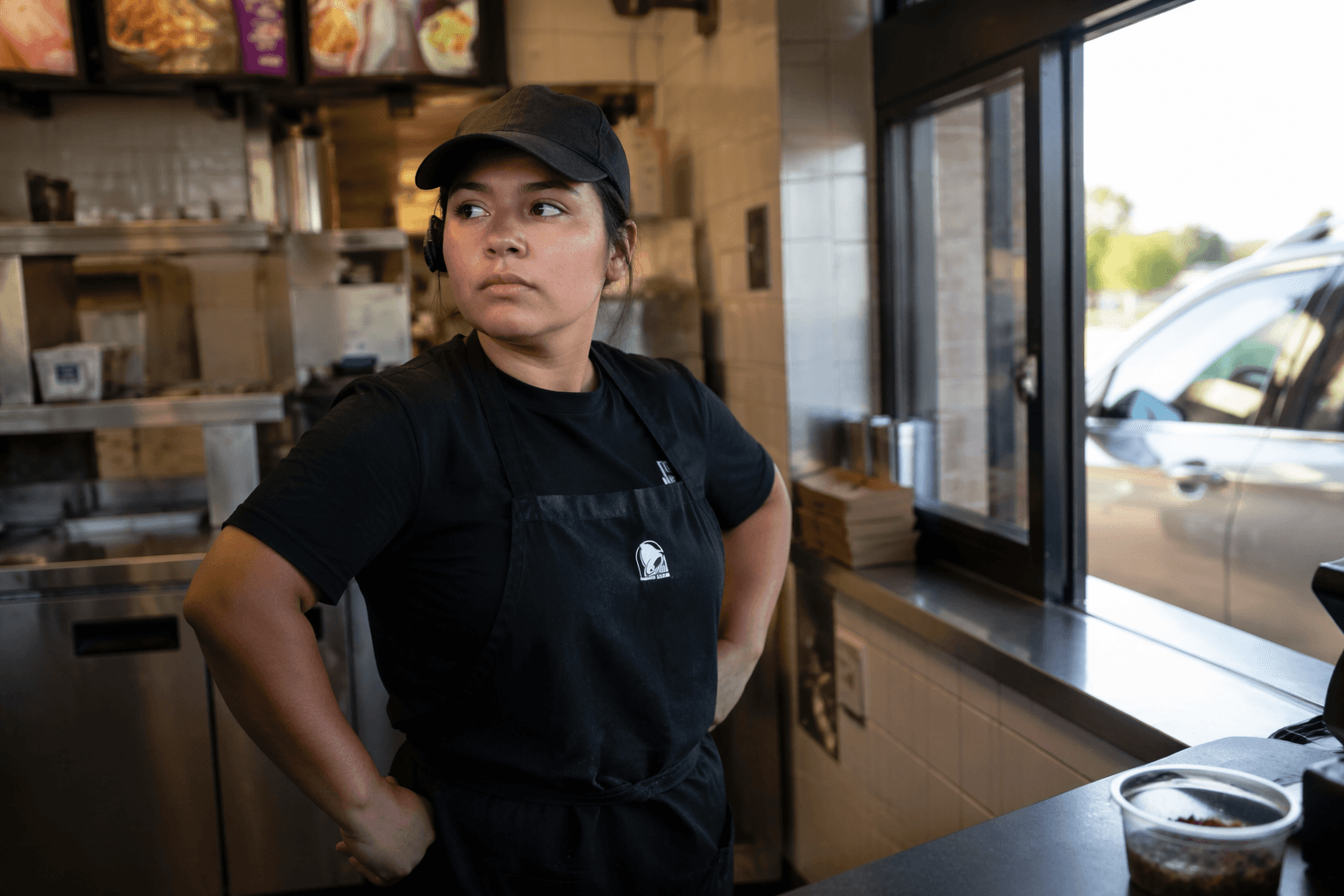
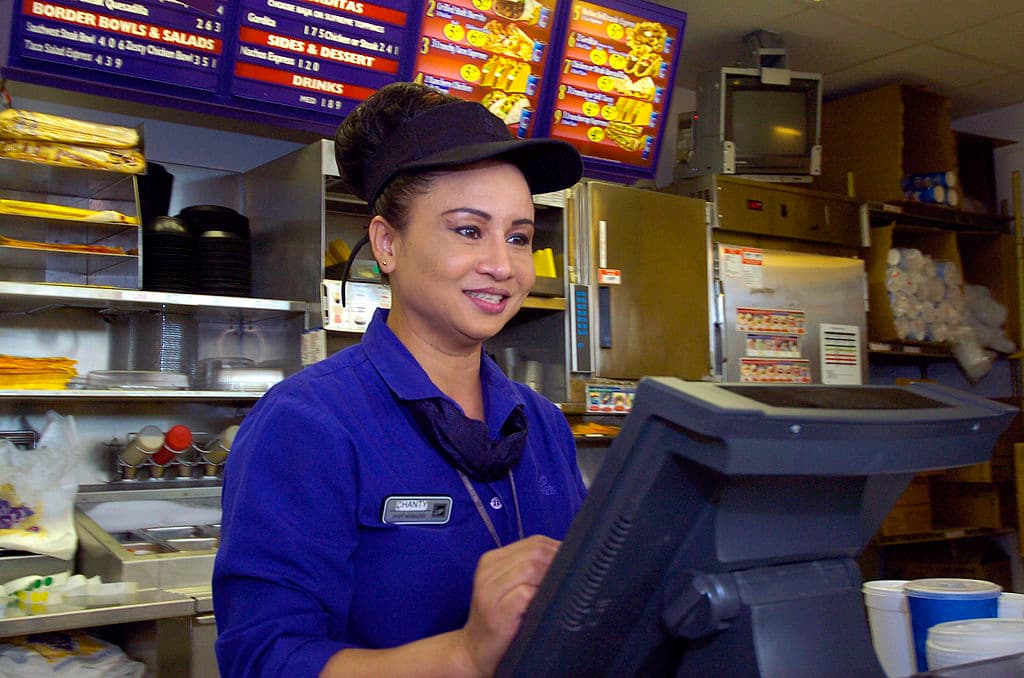
Taco Bell jobs are not all the same, franchisees set pay and benefits
The Taco Bell logo can hide two different employers. Pay, benefits, HR recourse, and even W-2 access can change depending on whether a store is corporate or franchised.

Taco Bell work can look identical from the parking lot and still come with different pay rules, benefits, and HR channels once you clock in. The company’s own hiring materials say many positions are with franchisees or licensees, not Taco Bell Corp., and that distinction can change who sets your wage, who handles your complaint, and where you go when you need a W-2.
The brand is one system, but the employer may not be
Taco Bell’s careers homepage says positions are available at both corporate and franchised locations, and that applicants to a franchisee or licensee are not applying to Taco Bell Corp. or its affiliates. It also says franchisees and licensees are independent business owners and employers responsible for their own employment practices. For workers, that means the same title can sit inside different pay structures, discipline systems, and benefit packages depending on who owns the restaurant.
Yum! Brands, which sits above Taco Bell in the corporate structure, says it works primarily with about 1,500 franchisees across more than 63,000 restaurants in 155+ countries and territories. The company says it opens a new restaurant nearly every two hours and looks for franchise partners who are well capitalized, capable, and committed. That scale helps explain why a Taco Bell store in one city can operate under a different employment model from another store across town.
Read the posting before you read the job title
A General Manager posting in Dumfries, Virginia makes the split hard to miss. It says the applicant is applying to work with a franchisee of Taco Bell, not Taco Bell Corp. or any of its affiliates, and adds that if hired, the franchisee will be the worker’s only employer. The same posting lists an if-applicable pay transparency range of $63,000 to $83,000, a reminder that compensation can be spelled out differently from one posting to another.
That matters for anyone comparing offers, especially in a market where restaurant wages and schedules can shift quickly with local labor costs, minimum wage changes, and pay debates. A posted salary range can give you one window into the deal, but the employer name tells you who actually controls raises, hours, and the policies that shape day-to-day work.
Benefits can exist, but they are not uniform
Taco Bell’s team-member careers page says many owners and operators offer education assistance, health insurance, free meals, employee assistance, paid time off, and retirement savings options. The same page makes the limit clear: those offerings vary by employing organization. In practice, that means one franchisee might offer more support than another, even when the uniforms and menu are the same.
That variation affects more than perks. It can shape whether a shift lead qualifies for PTO, whether a crew member gets meal benefits on shift, and whether a manager’s retirement option is part of the package at all. For workers trying to compare offers, the critical question is not whether Taco Bell has benefits somewhere in the system. It is whether the specific employer in front of you offers them, and on what terms.
HR questions follow the employer, not the logo
Taco Bell’s help center gives workers another clue about how divided the system is. Corporate employees can access past W-2s through Oracle Alumni Access, while franchise employees are told to contact their franchise’s corporate office or human resources team for current or prior W-2 resources. The same split appears in employee assistance: corporate employees can use the Speak Up Helpline at (844) 418-4423, while franchise employees are directed to their operator’s HR team.
That matters when a pay problem turns into a workplace issue. If your paystub looks wrong, your schedule changed without warning, or you need to report discipline or retaliation, the right contact depends on who signs your paycheck. Going to the wrong office can waste time, and in a fast-food setting, lost time can mean a missed correction on wages, hours, or scheduling.
What to verify before you accept the job
The fastest way to protect yourself is to treat the employer name as seriously as the hourly rate. Taco Bell’s own materials make the franchise disclaimer easy to overlook, but it is the first checkpoint that tells you whether you are dealing with corporate, a franchisee, or a licensee.
Before you say yes, check these details:
- The exact employer named in the posting, not just the Taco Bell logo
- Whether the posting says the franchisee will be your only employer
- The wage range, if one is listed, and whether it is tied to a specific location
- The benefits language, especially if it says offerings vary by employing organization
- Who handles W-2s, paystub problems, and HR complaints
- Whether the store is corporate-run in your market or part of a franchise operation
Yum! says that in many markets it develops both company and franchise restaurants, while in others it develops exclusively as company or franchise. That is why two Taco Bell jobs can come with different scheduling rules, complaint paths, and advancement tracks even when the menus and brand standards look the same.
Why the difference matters after you are hired
For crew members, the split can show up in the smallest parts of the job: meal perks, PTO approval, how quickly a payroll error gets fixed, and whether a manager has room to adjust staffing without checking a higher office. For shift leads and restaurant managers, it can shape labor budgets, overtime decisions, and the amount of discretion you have when the store is short-staffed.
It also affects escalation. If you are in a corporate restaurant, the Speak Up Helpline is one route. If you are in a franchise store, the operator’s HR team is the place to start. When the same brand name covers separate employers, the practical skill is knowing which system you are inside before a wage issue, scheduling fight, or discipline complaint gets harder to unwind.
The Taco Bell brand may be national, but the job is local to the operator on paper and often in practice. That is the difference workers need to spot before they apply, and the difference managers need to respect once the shift starts.
This article was produced by Prism’s automated news system from verified source data, official records, and press releases, then run through automated quality and moderation checks before publishing. The system is built and supervised by the people who set the standards it runs under. Read our full AI policy.
Did this article answer your question?