Picnic shutdown shows Taco Bell the risks of restaurant automation
Picnic raised more than $53 million and promised 100 pizzas an hour, then entered creditor liquidation, a warning for Taco Bell's automation bets.
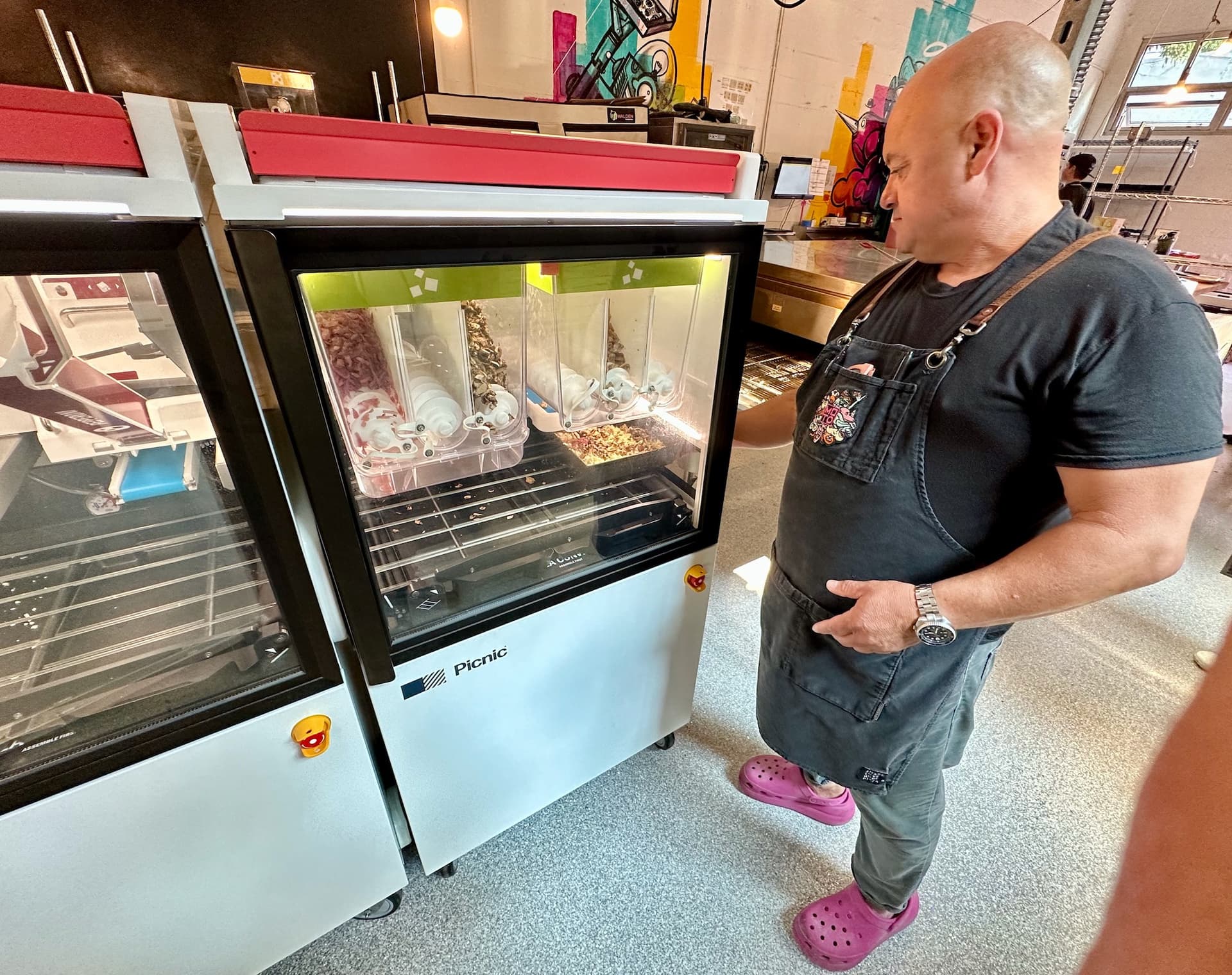
Picnic’s robot pizza pitch looked elegant on paper: one employee, a Pizza Station and, in one report, as many as 100 customized pies an hour with sauce, cheese and other toppings assembled by machine. The company, founded in 2016, is now gone, a blunt reminder that restaurant automation has to work in a live kitchen, not just in a demo.
Picnic entered an assignment for the benefit of creditors on May 11, 2026, a state-law liquidation process used outside bankruptcy. CMBG Advisors, based in Los Angeles, was named to wind down the business and sell its assets. Another report said Picnic had raised more than $53 million over about a decade before the shutdown, underscoring how much money can disappear when hardware promises run into operating reality.

That reality is what Taco Bell operators know best. Yum! Brands said on July 31, 2024, that it would expand voice AI ordering to hundreds of Taco Bell U.S. drive-thrus by the end of 2024, and said the tool was already live in more than 100 restaurants across 13 states. Taco Bell’s earlier Defy concept in Brooklyn Park, Minnesota, which opened on June 7, 2022, used a four-lane drive-thru to cut bottlenecks and speed service. Those are the kinds of bets Taco Bell has favored: targeted tools that are meant to reduce friction, not replace the crew.
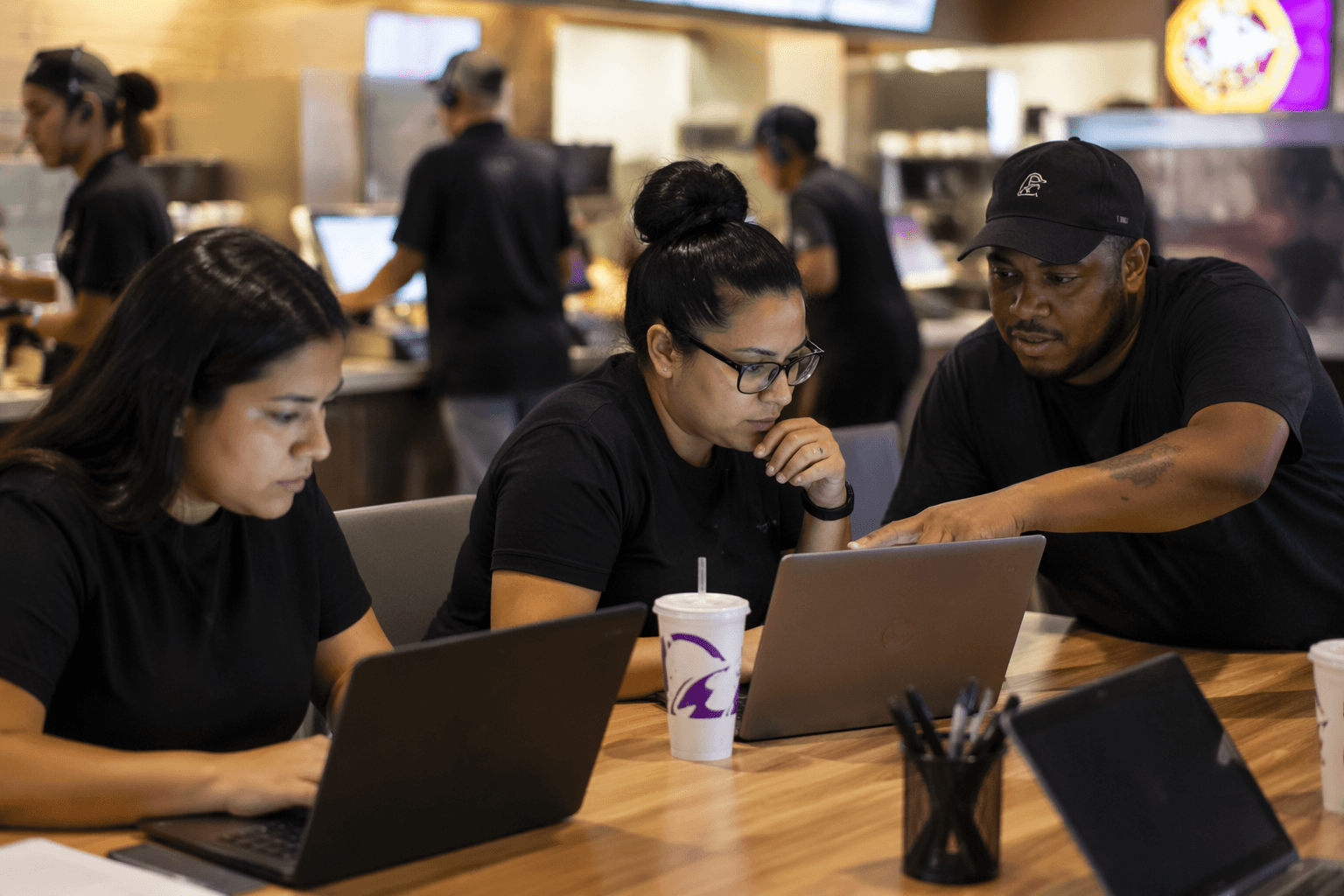
That distinction matters. In a Taco Bell kitchen, technology has to survive lunch rushes, missing product, maintenance issues and the daily wear that comes with a high-volume line. A machine that looks sleek in a press demo can still become one more thing for a shift manager to watch when orders stack up and a drive-thru line stretches. Industry coverage has framed Taco Bell’s voice AI as a way to ease back-of-house work and improve order accuracy, which is a very different promise from full-scale automation.
Picnic’s collapse also lands at a moment when restaurant chains are growing more cautious. McDonald’s ended its voice AI test, and Chipotle took its Autocado robot out of commission. For Taco Bell, the practical question is not whether automation sounds futuristic. It is whether a new system actually reduces stress on the line, improves throughput and holds up long enough to justify the training, integration and repair costs that crews and managers are left to absorb when the hardware breaks down.
This article was produced by Prism’s automated news system from verified source data, official records, and press releases, then run through automated quality and moderation checks before publishing. The system is built and supervised by the people who set the standards it runs under. Read our full AI policy.
Did this article answer your question?