Predictive scheduling laws add compliance pressure for Taco Bell managers
Last-minute Taco Bell schedule changes can trigger premium pay, lost hours, or both. In covered cities, managers now have to treat the board like compliance.
What predictive scheduling means on a Taco Bell shift
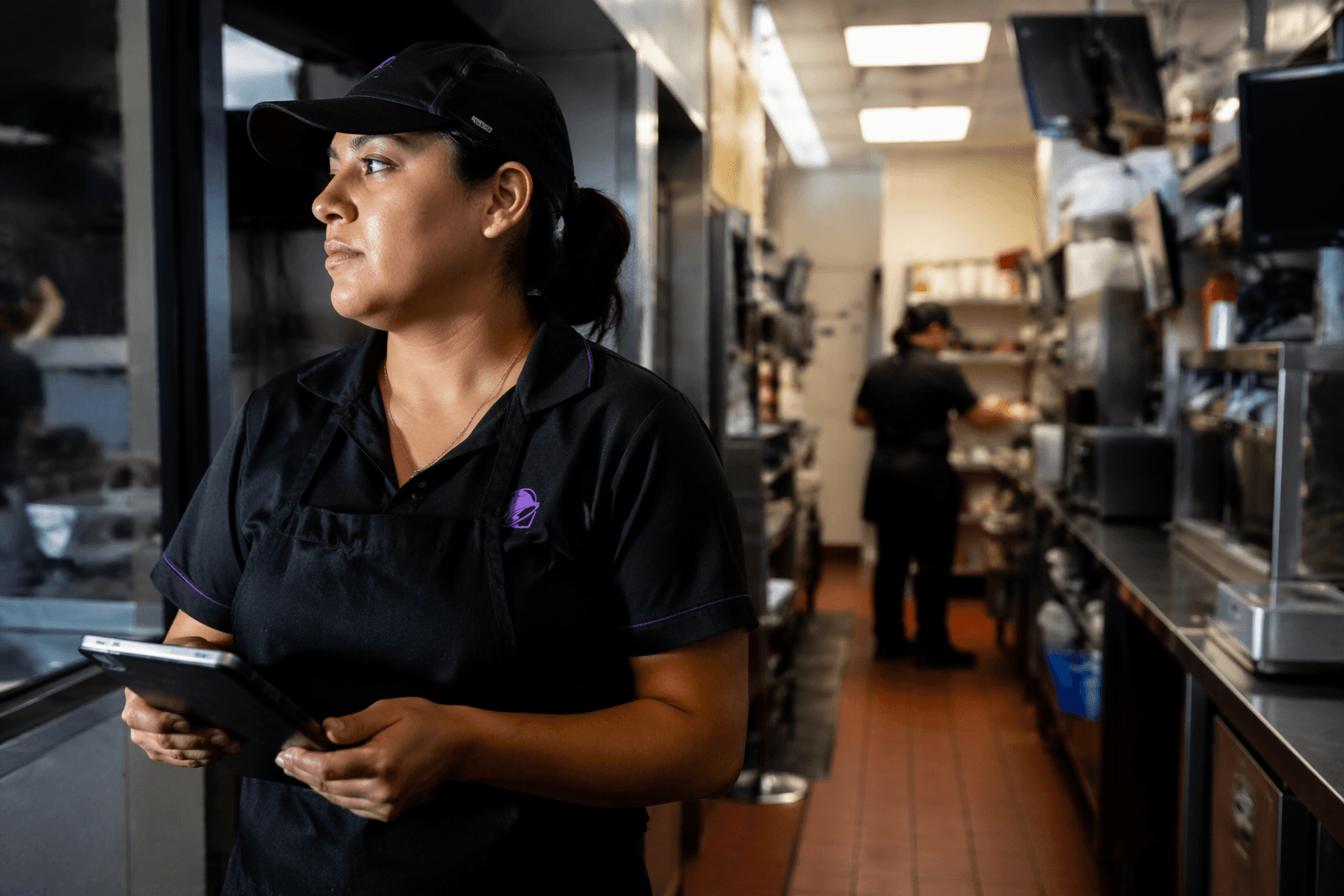
At Taco Bell, the schedule is no longer just a staffing tool. In places with predictive scheduling or fair-workweek rules, a late posted shift, a cut hour, or a clopening can create premium-pay obligations, paper trail headaches, or both. HR Dive’s running list says the point of these laws is to help employees plan schedules and budgets, and Oregon’s statewide guidance shows how directly that can hit hourly food service work when a manager changes a posted shift without enough notice.
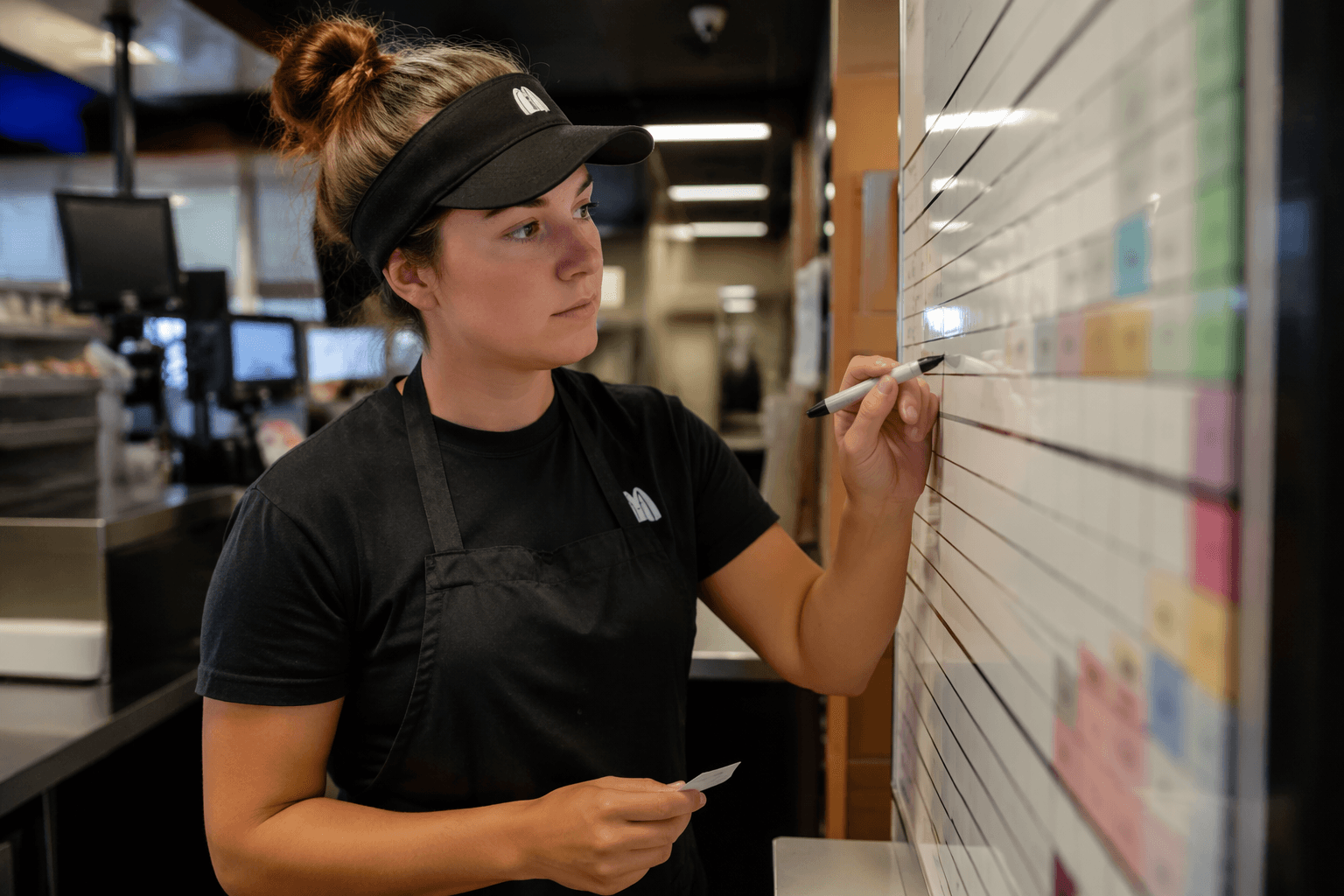
That matters because these rules are built around the realities of low-wage restaurant life: school drop-offs, childcare, transit, and a second job all depend on knowing when the next shift starts. HR Dive notes that many of the laws include anti-clopening protections, predictability pay, or both, and that many of them cover retail and fast-food employers of a certain size, often including part-time and seasonal workers. For a Taco Bell crew, the problem is not theoretical. It is the difference between a workable week and a paycheck that gets shaved by a late change.
Where the risk shows up in the store
The biggest traps are the same ones shift managers already juggle under pressure. Posting the schedule late, swapping shifts on the fly, calling someone in after the board is set, or sending a crew member home early can all trigger local rules if the store is covered. HR Dive says these laws vary by state and locality, which means the same Taco Bell playbook can be legal in one market and a problem in another.
That patchwork is exactly why managers need to treat scheduling as a compliance task, not a preference. In Oregon, large retail, hospitality, and food service employers with at least 500 employees worldwide must give schedules in writing at least 14 calendar days in advance, and they owe additional compensation for certain last-minute changes. Seattle requires 14-day schedule posting, too, and goes further with 10 hours of rest between a closing and opening shift unless the worker agrees to less time. New York City’s fast food rules also require 14-day advance schedules and premiums for schedule changes or clopenings.
The most common compliance mistakes for managers
The first mistake is assuming a shift swap solves everything. HR Dive notes that many laws make room for mutually agreed shift swaps and emergency exceptions, but that does not mean every informal fix is safe. If a manager texts a crew member after the schedule is posted and moves hours around without checking the local rule, that quick fix can become premium pay or a violation before the rush even starts.
The second mistake is cutting hours without thinking through the consequences. Seattle’s ordinance spells out premium pay when hours are added or subtracted after the schedule is posted, and Oregon’s rules also trigger compensation when a shift is shortened, canceled, or changed in a way that reduces work time. In New York City, fast food employers must give workers regular schedules that stay the same week to week, and they cannot reduce a worker’s hours by more than 15% without just cause or a legitimate business reason. For Taco Bell managers, that means labor decisions that look minor on paper can become expensive and visibly unfair on the floor.
What a safer scheduling routine looks like
The practical answer is to build a local-law map for every store, then schedule to the strictest rule that applies there. Managers need to know which crew members are covered, how much notice the jurisdiction requires, whether clopening rest time is protected, and what kind of premium pay kicks in when the schedule changes. Seattle’s guidance also requires a good-faith estimate of hours and gives workers a process to request schedule changes tied to major life events such as transportation, housing, caregiving, education, or another job.
It also pays to document everything. If the store offers extra hours, keeps a record of who declined, notes the reason for a schedule change, and separates true emergencies from ordinary staffing crunches, the manager is in a much better position when a worker questions the board. NYC’s fast food guidance even tells employers to post worker-rights notices where employees can easily see them and provides employer tools aimed at schedule differences and seniority tracking. That is a clue to how serious the enforcement side has become.
What this means for Taco Bell crews
For crew members, the upside is simple: a predictable schedule makes the rest of life easier to manage. HR Dive says that is the core purpose of these rules, and Oregon’s worker guidance makes the income angle plain by tying schedule changes to additional compensation when notice is missing. In a job where hours are often the difference between covering a bill and falling behind, predictable scheduling is not a perk. It is part of the paycheck.
It also changes the balance of power at the store level. In NYC, fast food workers get protections against retaliation, premiums for schedule changes, and the right to regular schedules, while Seattle bars retaliation and requires employers to talk through schedule requests tied to major life events. That does not eliminate the stress of restaurant work, but it gives crews more room to push back when a manager tries to rewrite the week after the fact.
Why franchise and corporate structure matter
Taco Bell managers also need to remember how the brand is structured. Yum! Brands says its subsidiaries franchise or operate more than 63,000 restaurants across 155 countries and territories, and the company notes that many markets are developed as company or franchise restaurants depending on the location. That means compliance is not one-size-fits-all inside the Taco Bell system, even if the ordering kiosks, drive-thru flow, and staffing model feel standardized.
For a field leader, that is the real takeaway. Predictive scheduling laws turn the labor board into an ops issue, and ops habits into legal risk. The stores that get this right will be the ones that stop treating last-minute changes as harmless and start treating the schedule like a document that has to survive both a Friday dinner rush and a labor audit.
This article was produced by Prism’s automated news system from verified source data, official records, and press releases, then run through automated quality and moderation checks before publishing. The system is built and supervised by the people who set the standards it runs under. Read our full AI policy.
Did this article answer your question?