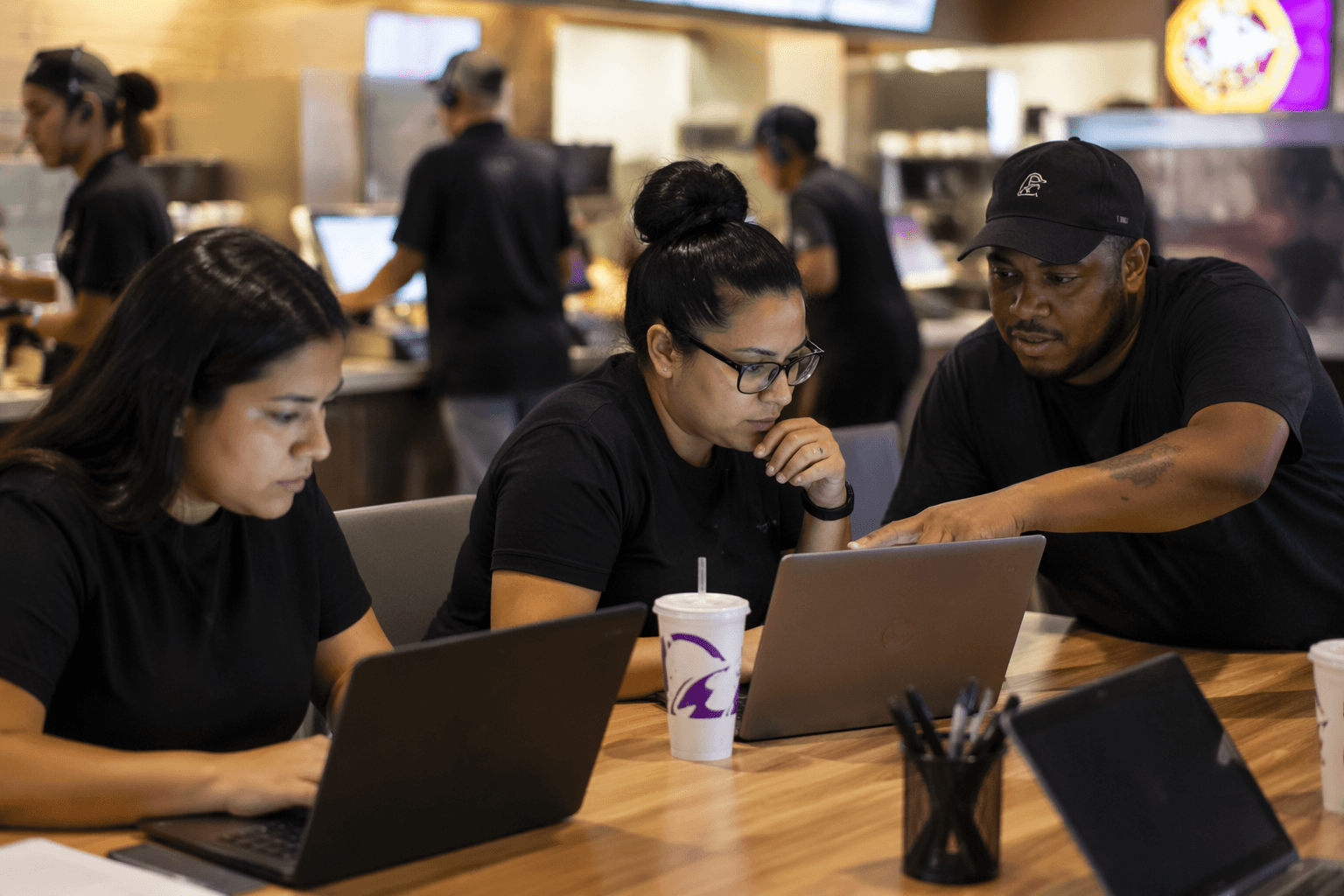
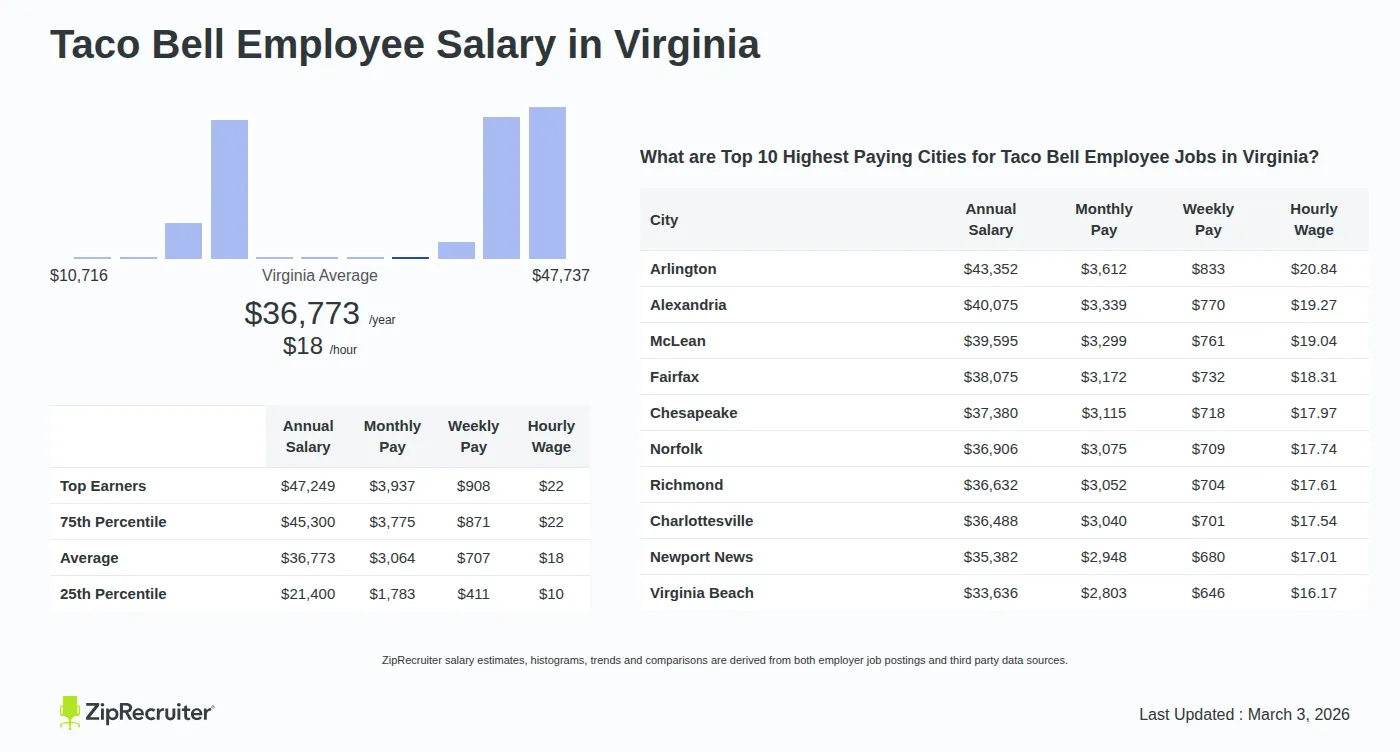
Qdoba secures $435 million funding, signaling tougher competition for Taco Bell
QDOBA locked in $435 million in fresh financing, money that could speed remodels and digital upgrades as Taco Bell keeps pressuring the category on sales and labor.
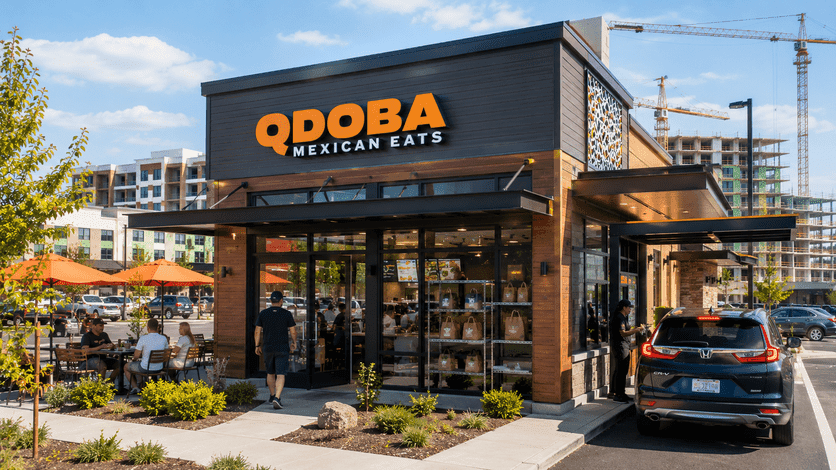
QDOBA just gave itself more room to move, and Taco Bell crews should feel that pressure in the form of faster remodels, new stores and a tighter fight for workers. The chain closed a $435 million whole business securitization through Qdoba Funding LLC on May 27, with $360 million in senior notes and a $75 million variable funding note.
QDOBA said the proceeds will mainly refinance existing debt at a lower cost of capital and add liquidity. That matters on the floor because the company also said the money will support restaurant remodels, digital make-lines and other technology initiatives. In practical terms, that usually means more modern kitchens, more emphasis on speed of service and a bigger push to keep handoffs clean between line cooks, cashiers and managers.
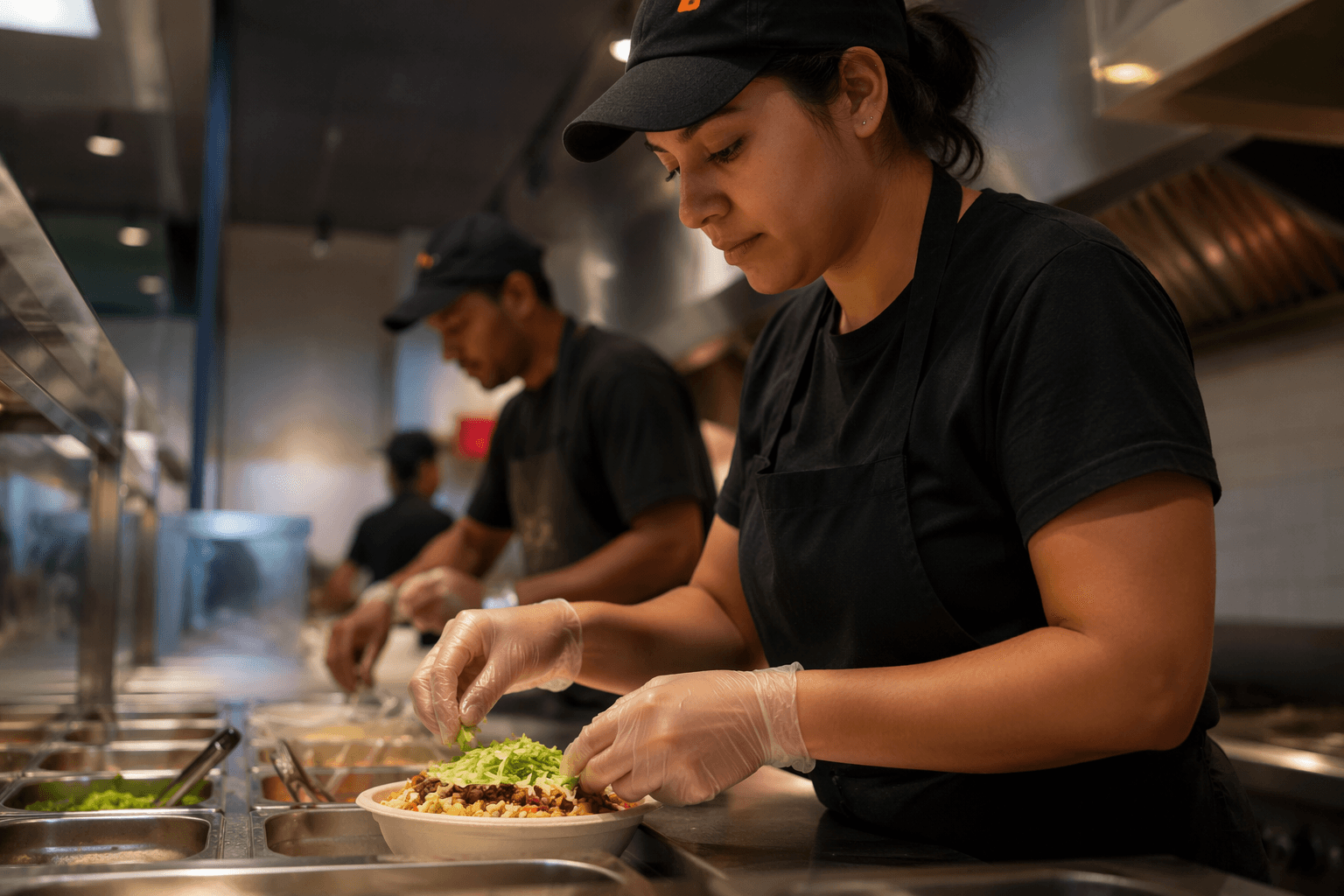
The financing was not a one-off. Butterfly Equity closed a $527 million single-asset continuation fund for QDOBA in August 2025, extending its partnership and backing the brand’s growth plan. Butterfly said QDOBA had more than 800 locations and was approaching $1.3 billion in systemwide sales, while industry coverage put the chain at about 840 stores, $1.7 million in average unit volume and a 23 percent restaurant-level EBITDA margin. QDOBA’s long-term targets include 2,000 units, $5 billion in systemwide sales and a $200 million national marketing fund.
That growth plan already has real footprints on the map. On September 9, 2025, QDOBA said B Wild Investments, LLC had agreed to develop 50 restaurants across Alaska, Utah, Nevada, Colorado and New Mexico, with early attention on Salt Lake City, St. George, Albuquerque and Las Vegas. For shift leaders and restaurant managers, that kind of expansion means more openings, more management slots and more competition for experienced operators in the same labor pools Taco Bell uses.
The pressure is sharper because Taco Bell is still setting a high bar inside Yum Brands. Yum reported Taco Bell U.S. same-store sales growth of 4 percent in the second quarter of 2025, and later 2026 reporting put Taco Bell U.S. at 7 percent to 8 percent same-store sales growth in different quarters. When the category leader keeps growing and QDOBA keeps raising capital for remodels, digital infrastructure and new units, the labor market gets more competitive too. Crews feel it in training demands, managers feel it in hiring, and franchise operators feel it in how hard they have to push on throughput, value and execution to keep pace.
This article was produced by Prism’s automated news system from verified source data, official records, and press releases, then run through automated quality and moderation checks before publishing. The system is built and supervised by the people who set the standards it runs under. Read our full AI policy.
Did this article answer your question?