Restaurant workers face constant stress, Taco Bell staff feel it too
When 63% of restaurant workers say they are constantly or frequently stressed, Taco Bell shifts feel the strain through callouts, burnout, and slower service.

When 63% of restaurant workers say they are constantly or frequently stressed, that pressure shows up on the Taco Bell line as missed shifts, a shaky rush and a crew trying to keep service moving while worrying about rent, transportation and the next meal. The latest labor picture is less about abstract burnout than about what happens when hourly workers are stretched thin, skip meals and lean on stopgap fixes just to get through the week.
That is the kind of strain The Food Institute tied to low pay and chronic understaffing in a May 28, 2026 story, with Eric describing a “vicious cycle” in which workers leave because other workers already left. For a Taco Bell store, that cycle is easy to recognize. One callout forces a manager to reshuffle stations. Another leaves the drive-thru backed up. Over time, the same pressure that makes a shift feel impossible also makes it harder to train new people, hold onto experienced crew members and keep service consistent during the late-night rush.

The issue lands hard at Taco Bell because the brand runs inside a huge Yum! Brands system, one that spans more than 155 countries and territories, about 63,000 restaurants and roughly 1,500 franchisees across Taco Bell, KFC, Pizza Hut and Habit Burger Grill. Taco Bell’s careers pitch leans on flexible schedules, growth opportunities, training and development, plus benefits that many owners and operators say may include education assistance, health insurance, free meals, employee assistance, paid time off and retirement savings options. But the company also says hourly training happens only during scheduled work hours, which means the burden of learning and keeping up stays tightly tied to the shift clock.
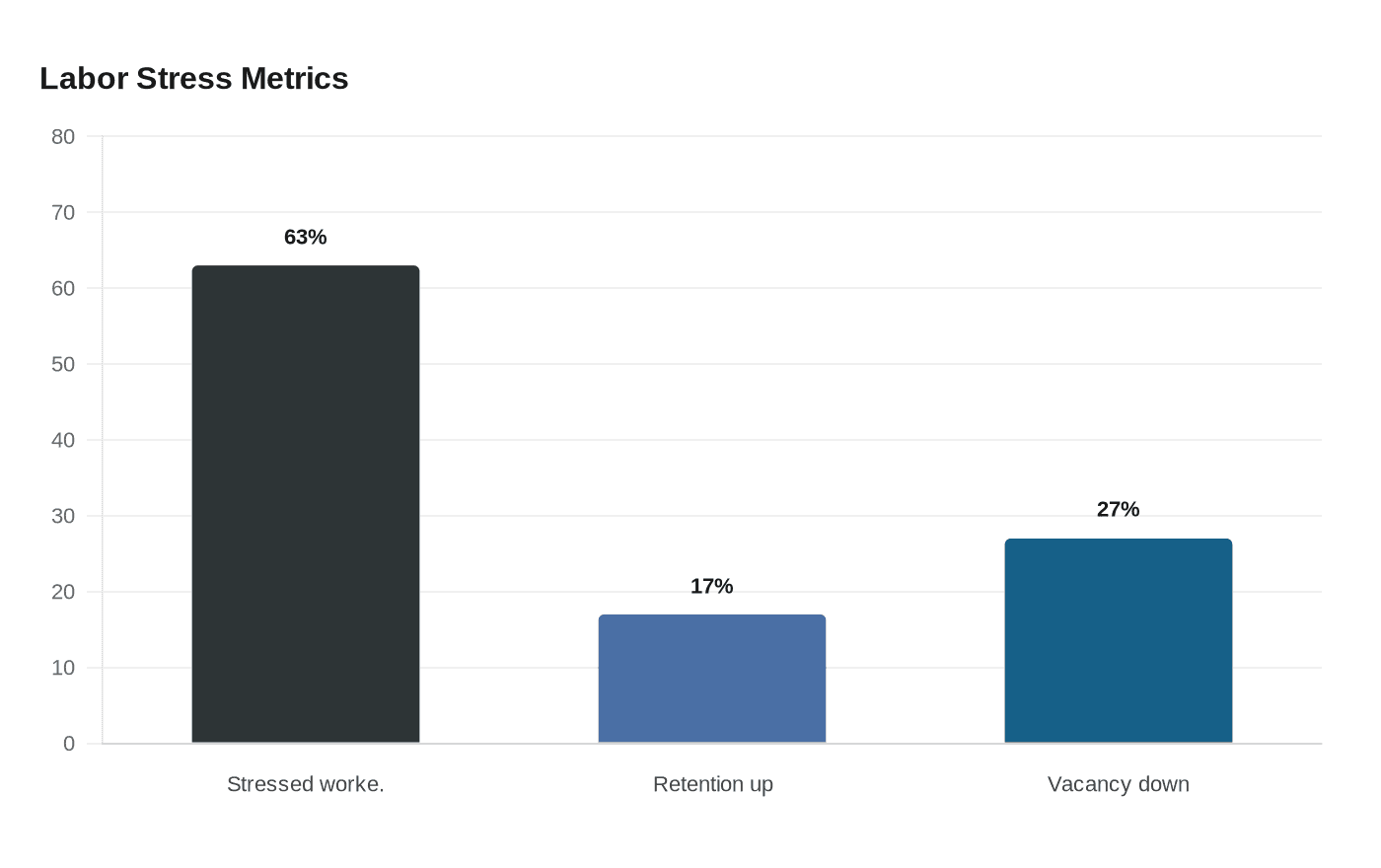
That matters because retention is not just a morale problem, it is an operating one. Taco Bell said team-member retention improved 17% year over year in company-owned stores in 2025, and restaurant general manager vacancy fell 27%. In October 2025, the company said it would expand leadership programs and extend its Tacos and Tuition education benefit to employees at franchisee-owned locations. Those moves can help, but they do not erase the basic math of low wages and unstable schedules.
The gap between corporate messaging and store reality was visible again in January 2026, when long-tenured Taco Bell employees at a San José location walked off the job after weekly hours were cut, according to the California Fast Food Workers Union. That is the pressure point managers cannot ignore: when pay is stretched and hours are unstable, stress becomes a staffing issue, and staffing becomes a service issue.
This article was produced by Prism’s automated news system from verified source data, official records, and press releases, then run through automated quality and moderation checks before publishing. The system is built and supervised by the people who set the standards it runs under. Read our full AI policy.
Did this article answer your question?