Senate bill could speed union drives at Taco Bell stores
A Senate bill could cut the wait from a union vote to a contract, putting Taco Bell managers’ scheduling and documentation practices under sharper scrutiny.
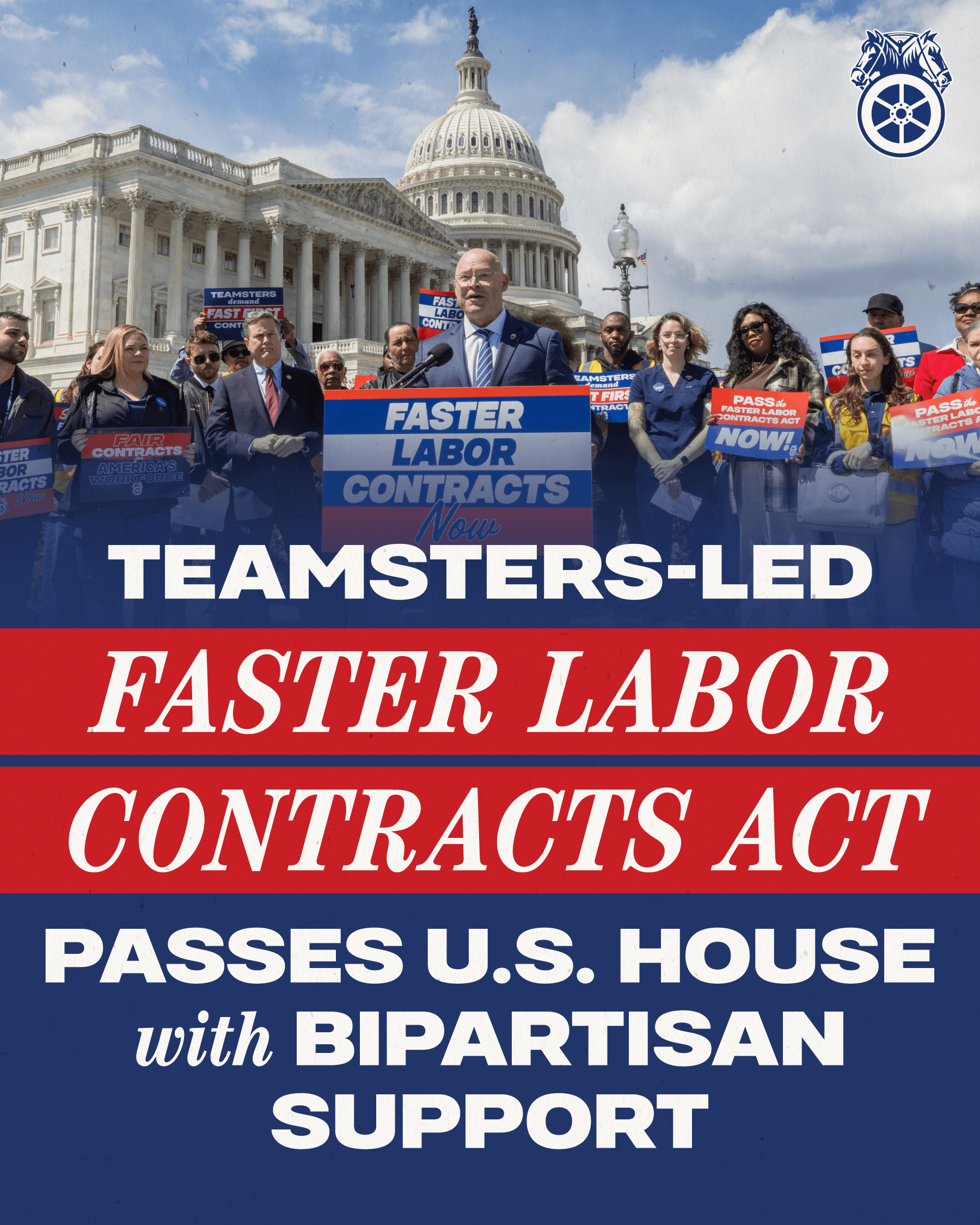
The House passed H.R. 5408, the Faster Labor Contracts Act, on June 9, and the measure would speed up workplace time-to-contract under the National Labor Relations Act. The bill’s findings say bargaining after a successful representation vote often drags on for a year or longer, and text tied to the bill cites a Bloomberg Law study that put the average gap between a union win and a contract at 465 days.
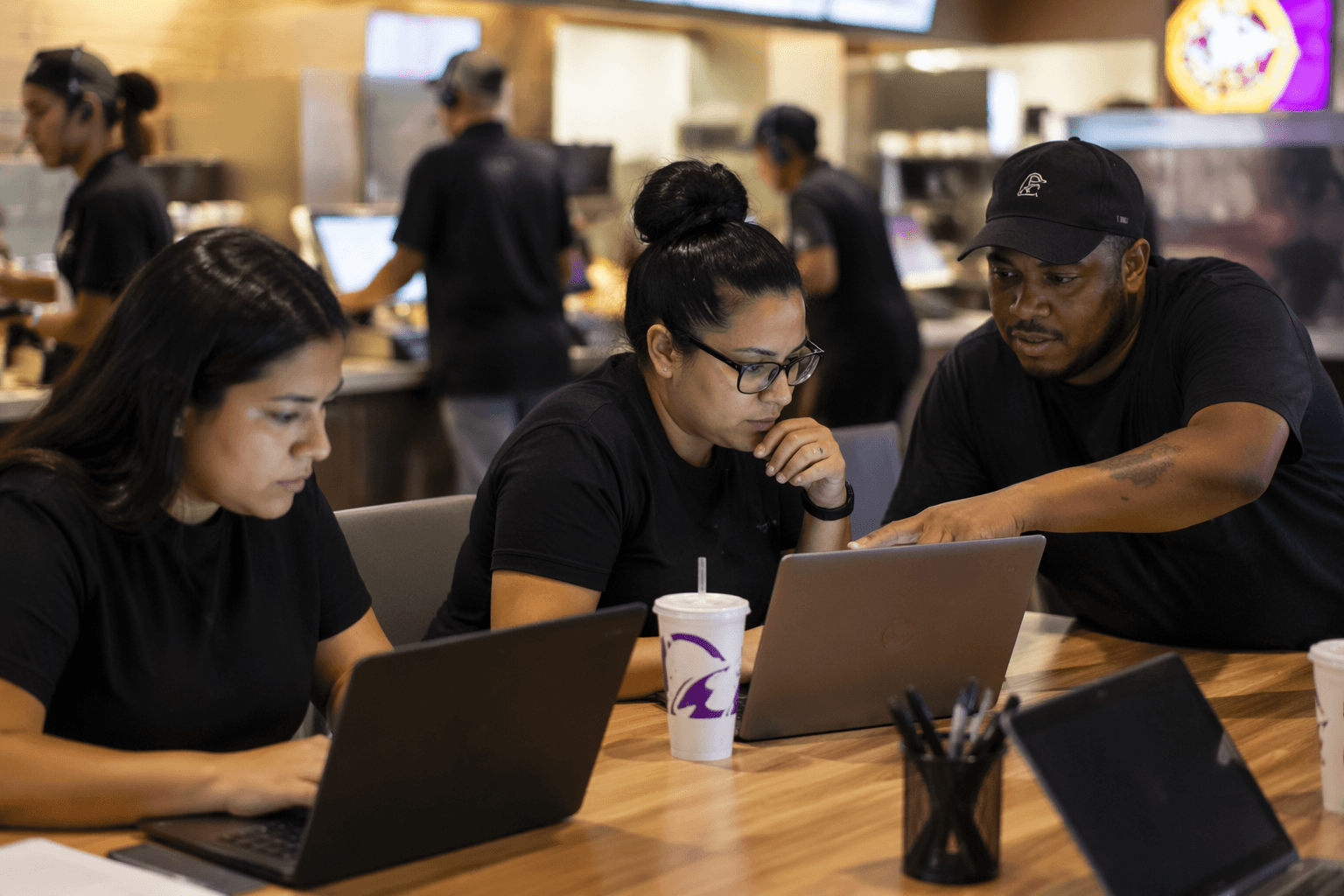
For Taco Bell shift leaders and restaurant managers, that timeline matters because the pressure point is not just whether workers organize, but how the store is run day to day. If organizing drives move faster, the details crew members notice first are the same ones that can become evidence in a labor campaign: whether schedules are posted fairly, whether pay corrections happen quickly, whether discipline is consistent, and whether complaints get handled before they spread from one shift to the next.
That is a real issue in a brand built on franchising. Taco Bell opened its first restaurant in 1962 in Downey, California, sold its first franchise in 1964, and still operates in a system where most restaurants are franchised. Yum! Brands says its system spans more than 61,000 restaurants globally across its concepts, which means decisions made by one franchisee or one store manager can ripple through a much bigger workforce conversation.
The bill has already drawn resistance from the restaurant and manufacturing lobbies. On June 4, the National Restaurant Association sent House members a letter urging them to oppose the Faster Labor Contracts Act, and the National Association of Manufacturers also opposed it before the House vote. That opposition underscores how closely employers are watching any change that could reshape how quickly workers move from a representation vote to contract bargaining.

Taco Bell has already seen how labor issues surface through ordinary operations. In March, a Taco Bell and Dunkin’ franchisee agreed to pay more than $1.5 million to settle New York City claims tied to the city’s fast-food scheduling law, a reminder that disputes can turn on posted hours, notice, and compliance as much as on organizing itself. At the same time, an SEIU-backed fast-food workers’ union launched on January 20, 2026, targeting Taco Bell and other chains with a sector-wide strategy built around higher pay, scheduling protections, and job security.
If the Senate moves H.R. 5408 forward, Taco Bell managers will face more scrutiny on the basics: how shifts are assigned, how often schedules change, how discipline is documented, and whether employees feel heard before friction turns into a formal campaign.
This article was produced by Prism’s automated news system from verified source data, official records, and press releases, then run through automated quality and moderation checks before publishing. The system is built and supervised by the people who set the standards it runs under. Read our full AI policy.
Did this article answer your question?